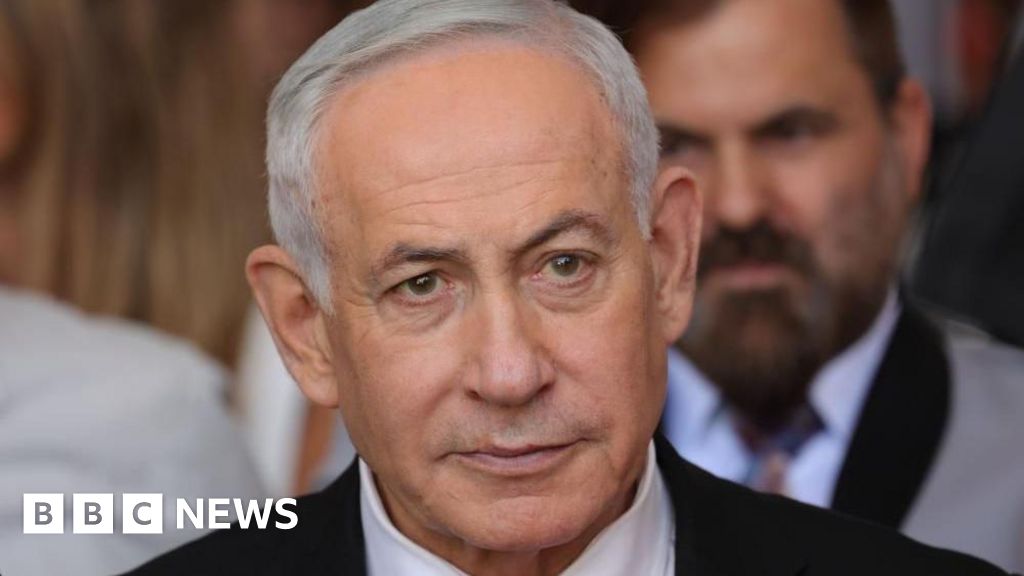
Israeli Prime Minister Benjamin Netanyahu announced on Sunday that Israel does not accept a 15-point Gaza peace roadmap proposed by the United States. Despite the rejection, U.S. officials reportedly view the statement as political rhetoric ahead of Israel’s general election in October and expect ongoing cooperation regarding military restraints in Gaza.
The proposal, announced by President Donald Trump in July, was developed by the Board of Peace to end the conflict and disarm Hamas. The deal involves a phased decommission of weapons to be stored by a new Palestinian administration reporting to the Board of Peace. In exchange, Israeli forces would withdraw from the more than 60% of Gaza they currently control. Hamas has confirmed its agreement to the framework, provided Israel also complies.
Mr. Netanyahu told his cabinet that the Israel Defense Forces (IDF) will not withdraw until Hamas undergoes "genuine disarmament," including both heavy and light weaponry. While calling President Trump a close friend, the Prime Minister stated Israel would "stand firm" against unacceptable terms. Meanwhile, Kan News reported that construction of the first base for an International Stabilization Force (ISF) is still scheduled to begin in Rafah at the end of August, suggesting preparations for the plan's security component continue.
The plan's implementation hinges on a "step-by-step" verification process described by High Commissioner for Gaza Nickolay Mladenov. Under this system, Israeli withdrawals are triggered only after weapons are verified as decommissioned and rendered unusable. A failure to reach a final agreement would prolong the military occupation and delay reconstruction efforts in areas like Rafah, where the first international base is planned. For Mr. Netanyahu, the stakes are also personal, as he faces a consequential general election on October 27 without having achieved the "absolute victory" he promised his constituents.
On the American side, the White House is seeking a foreign policy success ahead of the November midterm elections for the U.S. Congress. President Trump faces declining approval ratings and domestic pressure due to rising petrol and grocery prices, which have been linked to a five-month-long U.S. war in Iran. The next major milestone is scheduled for late August, when the ISF is slated to begin establishing its presence in southern Gaza, even as diplomatic talks between Israeli and American officials continue.