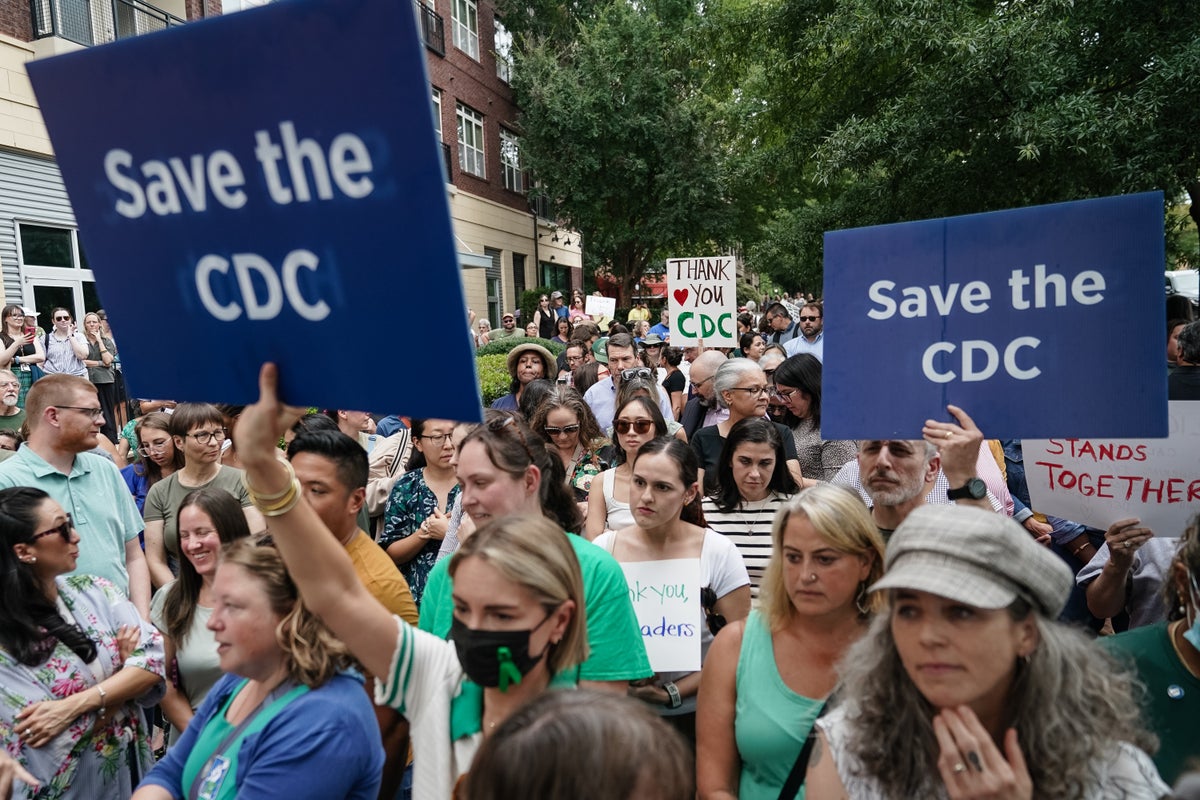
Dr. Erica Schwartz assumed the role of director at the Centers for Disease Control and Prevention (CDC) last week, inheriting several federally funded programs that are currently unstaffed. While Congress has allocated hundreds of millions of dollars for initiatives targeting Alzheimer’s, smoking cessation, and chronic diseases, these programs remain non-operational following significant workforce reductions initiated by the executive branch.
The staffing shortage follows layoff notices issued in April 2025 by the Trump administration as part of a proposed restructuring of the Department of Health and Human Services (HHS). Although the broader reorganization into a proposed "Administration for a Healthy America" was stalled by congressional opposition, the personnel cuts proceeded under the guidance of then-adviser Elon Musk and the Department of Government Efficiency.
According to union representatives and congressional testimony, at least seven major programs have been left without the specialists required to execute their mandates. These include a $246 million Office on Smoking and Health and a $41 million Alzheimer’s initiative. While some portions of the CDC budget continue to reach state and local authorities through grants, advocates note the loss of technical experts who establish national standards and analyze health risks.
For the average citizen, the immediate impact may include the suspension of public health campaigns like "Tips from Former Smokers" and the cessation of data collection projects for sickle cell disease and maternal mortality. While taxpayers are still funding these programs through congressional appropriations, the services—ranging from drowning prevention to rape prevention units—remain functionally dormant because the responsible scientists and doctors are either terminated or on paid administrative leave.
The situation sets a precedent regarding the Impoundment Control Act of 1974, as Democratic legislators argue that withholding personnel from funded mandates is illegal, while the administration maintains it is restructuring for efficiency. The next steps depend on the resolution of ongoing court challenges regarding worker terminations and whether Director Schwartz exercises her authority to redeploy resources as requested by members of the Senate. Health Secretary Robert F. Kennedy Jr. previously expressed an intent to hire 12,000 workers for chronic disease, but specific hiring dates for the CDC have not been disclosed.