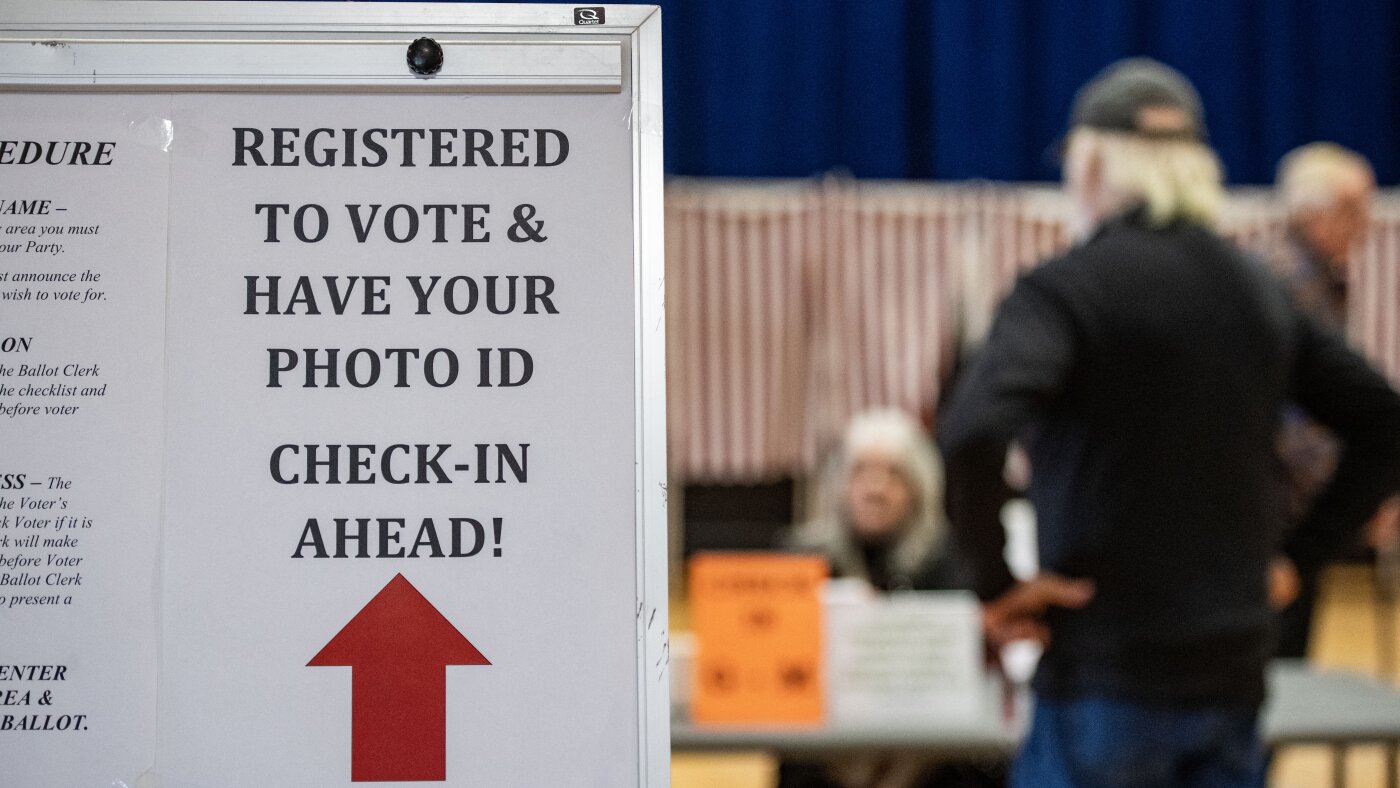
New Hampshire and Indiana have implemented bans on the use of student identification cards to verify a voter's identity at polling places. These measures are part of a broader trend in several states to restrict acceptable forms of identification for in-person voting. The changes have led to legal challenges from advocacy groups that argue the new requirements disproportionately affect younger voters, who are statistically the group least likely to participate in elections.
The New Hampshire legislature passed its ban as part of a package intended to increase election security and transparency, according to the House Republican caucus. In Indiana, the ban was reintroduced following a federal appeals court decision in April. Supporters of these measures, including Indiana State Sen. Blake Doriot (R), state that the rules are designed to prevent ineligible individuals from voting and to make identification standards more uniform.
Legal proceedings regarding these laws are currently active in multiple jurisdictions. In New Hampshire, the Coalition for Open Democracy filed a lawsuit this month alleging the law is unconstitutional and discriminates against voters based on age. In Indiana, U.S. District Judge Richard Young previously ruled the ban likely unconstitutional, describing it as a "solution in search of a problem," though that ruling is currently stayed while under review by the 7th U.S. Circuit Court of Appeals.
The scale of the impact involves students across three dozen states that currently have in-person voter ID laws, with specific bans or restrictions now active or pending in Indiana, New Hampshire, and Florida. While the exact number of voters using student IDs is not tracked by local officials, the transition requires individuals to secure underlying documents such as birth certificates or naturalization papers. Organizers from groups like VoteRiders noted that obtaining these documents can take six to eight months and involve costs or administrative delays, which may affect a student's ability to meet registration deadlines.
The move sets a precedent for how states define "proper ID" and creates differing standards across state lines. For example, Georgia only accepts IDs from public institutions, while North Carolina requires individual schools to seek state board approval for their IDs to be valid for voting. These new requirements will be in effect for the upcoming midterm elections in New Hampshire and Indiana. In Florida, a similar ban signed by Gov. Ron DeSantis (R) is scheduled to take effect in 2027. Future policy may be influenced by federal proposals that seek to standardize these restrictions across all states.