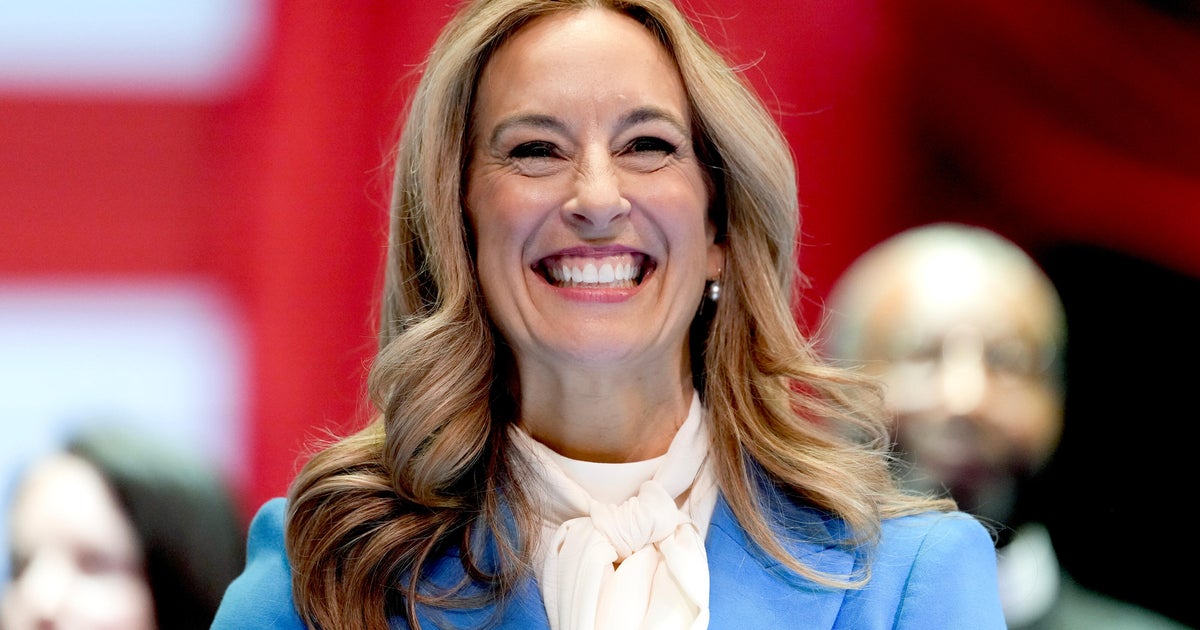
New Jersey Governor Mikie Sherrill (D) announced Thursday that her federal political action committee, Mission to Deliver, is endorsing 13 Democratic candidates with military or national security backgrounds. The move marks Sherrill’s first set of endorsements through the PAC, which focuses on supporting veterans running in competitive midterm congressional races. The candidates selected are running for seats in the U.S. House and Senate across several states.
Sherrill, a former Navy helicopter pilot who won the New Jersey governorship last year after serving in Congress, stated that the endorsements aim to support public servants she described as "trained to run towards the fight." The announcement comes as Sherrill expressed interest in influencing the Democratic Party’s direction ahead of the 2028 presidential election. In a July interview, she confirmed she hopes to play a role in selecting the party's next presidential nominee to ensure a focus on creating opportunity and a future for children.
The slate of endorsees includes Rep. Seth Moulton (D-MA), who is challenging incumbent Sen. Edward Markey (D-MA), and Reps. Don Davis (D-NC) and Maggie Goodlander (D-NH). Other endorsed candidates seeking to unseat Republicans include former Rep. Elaine Luria in Virginia, JoAnna Mendoza in Arizona, Eileen Laubacher and Jessica Killin in Colorado, Bale Dalton in Florida, Zach Dembo in Kentucky, Rebecca Bennett in New Jersey, and Cait Conley in New York. Additionally, Maura Sullivan is running for a House seat in New Hampshire, and Nancy Lacore is running for a seat in South Carolina.
The financial scale of this effort involves over $1.1 million in contributions, much of which was provided by PACs linked to labor unions. This funding is being directed toward veteran candidates in swing districts, where military backgrounds are often used as a recruitment strategy to appeal to independent and moderate voters. The specific impact on local races will depend on how the PAC distributes these funds among the 13 candidates, which could influence their ability to pay for staff, outreach, and media as they approach their respective election dates.
Beyond the immediate midterm results, this action signals a push by moderate Democratic governors to shape the national party identity following Republican wins in 2024. The effort sets a precedent for how state-level leaders may use federal PACs to build national networks and influence presidential nominating contests years in advance. What happens next depends on the performance of these 13 candidates in their upcoming elections and the additional endorsements Sherrill’s PAC has indicated it will announce in the coming months. Specific election dates and voting deadlines for each candidate vary by state.