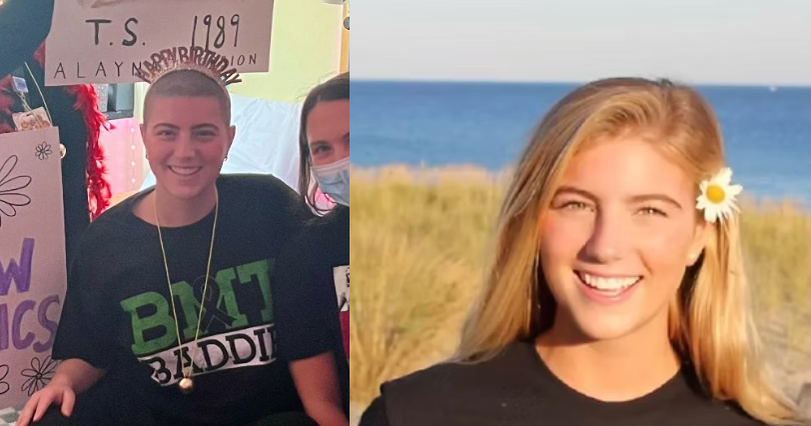
Alayna Riozzi-Bodine, a nursing graduate from New Jersey, has remained cancer-free for two years following a recurrence of Stage 2 Hodgkin's lymphoma. After undergoing two rounds of treatment that included chemotherapy, immunotherapy, and a stem cell transplant, she is now pursuing a career as a pediatric oncology nurse and managing a foundation for adolescent cancer patients.
Riozzi-Bodine was first diagnosed in September 2021 during the start of her senior year of high school. Dr. Brian Hill, director of the Lymphoid Malignancies Program at Cleveland Clinic’s Taussig Cancer Institute, noted that Hodgkin's lymphoma typically presents with enlarged lymph nodes, fatigue, and night sweats. During her initial treatment at Memorial Sloan Kettering Cancer Center (MSK), Riozzi-Bodine became the first pediatric patient at the facility to use a cold cap, a device intended to prevent hair loss during chemotherapy that was not yet approved for lymphoma at the time.
Although she was declared cancer-free during her freshman year of college, the disease returned less than a year later. Her oncologist, Dr. Maria Luisa Sulis, described the recurrence as unexpected given the low stage of the initial diagnosis. To treat the more aggressive recurrence, Riozzi-Bodine underwent a stem cell transplant, a procedure where a patient's own stem cells are collected, high-dose chemotherapy is administered to destroy cancer cells and bone marrow, and the stem cells are then re-infused to rebuild the immune system.
The clinical path for Hodgkin’s lymphoma patients who experience a recurrence often involves intensive procedures like stem cell transplants, which require weeks of isolation for immune recovery. While these treatments are rigorous, medical professionals indicate that long-term outcomes remain positive for those who reach certain milestones. Dr. Hill noted that if a patient remains cancer-free for five years, the statistical probability of a future recurrence becomes extremely low, providing a benchmark for recovery that impacts long-term health monitoring and insurance considerations.
Riozzi-Bodine’s transition from patient to healthcare provider through her nursing degree and the Alayna Jayne Foundation highlights a focus on specialized care for the AYA demographic. The foundation addresses a reported gap in hospital infrastructure, targeting patients who fall between pediatric environments and adult oncology wards. By providing resources, scholarships, and advocacy for cold cap usage, the organization seeks to alter the day-to-day environment for high school and college-aged patients. Riozzi-Bodine completed her most recent treatment in July 2024 and will continue to undergo regular monitoring scans.