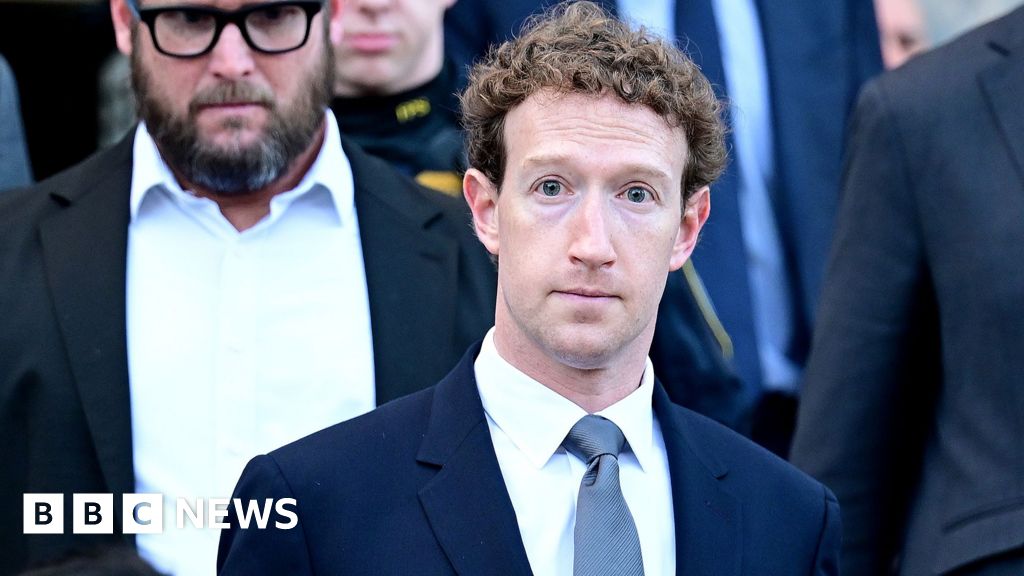
A New Mexico judge on Thursday ordered Meta to pay $567 million for failing to warn the public about risks its platforms posed to children. Judge Bryan Biedscheid ruled that the company’s actions constituted a "public nuisance," comparing the psychological harm and sexual exploitation of minors to environmental pollution. This fine is in addition to $375 million previously ordered in the same case, bringing the total financial penalty to $942 million.
The ruling follows a 2023 lawsuit filed by New Mexico state attorneys, who alleged that Meta’s platforms exposed children to sexual predators and explicit material. During the first phase of the trial, the court found that Meta violated the state’s Unfair Practices Act, concluding that its recommendation algorithms directed young users toward harmful content. Meta, which owns Facebook, Instagram, WhatsApp, and Threads, stated it disagrees with the ruling and intends to appeal.
In addition to the financial penalty, the judge ordered Meta to implement several operational changes for users under 18. These include a "1-strike policy" for adults engaging in child exploitation, banning nudity in messages for minors, and removing "like" counts for young users. The order also mandates a usage limit of 90 hours per month—roughly three hours per day—across Instagram and Facebook for underage accounts and prohibits push notifications during school hours and late at night.
The scale of the financial impact is significant for state-level enforcement; $420 million of the fine is designated for a fund to pay for clinical and behavioral health programs for affected children. This equates to a substantial investment in local health infrastructure and training for teachers and medical professionals on how to recognize and treat social-media-related harms. While former tech executive Bruce Daisley characterized the fine as a "drop in the ocean" relative to Meta's total revenue, the legal precedent of labeling a social media company a "public nuisance"—a term usually reserved for physical hazards like pollution—could influence how other jurisdictions approach tech regulation.
The ruling comes as Meta faces thousands of similar lawsuits across the United States. While the immediate operational changes are specific to this case, they mirror broader international trends, including UK proposals for "curfews" on teen social media use. The next major legal step occurs next week in California, where nearly three dozen state attorneys general are suing Meta over child privacy laws. Meta has indicated it will continue to defend its record and intends to appeal the New Mexico decisions.