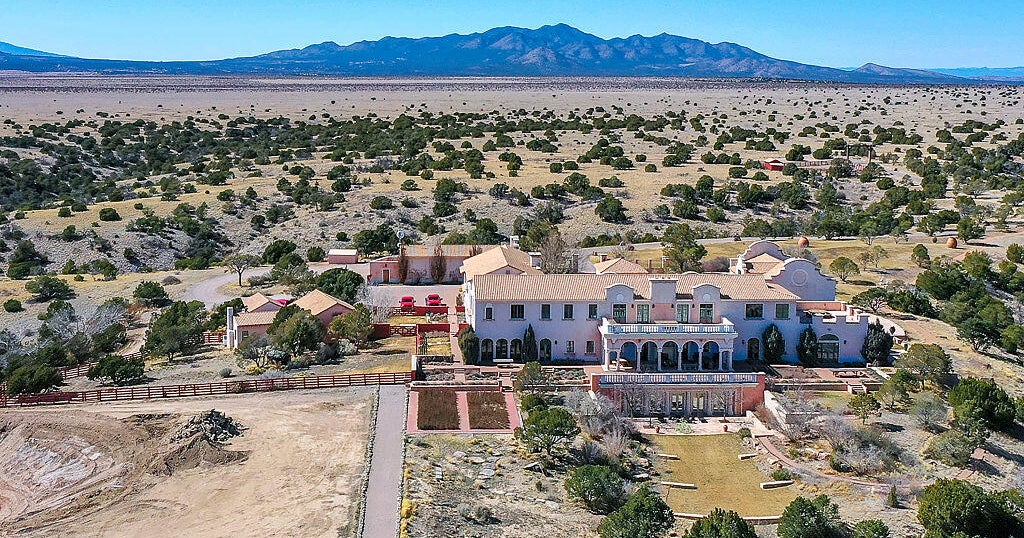
New Mexico Attorney General Raúl Torrez filed a lawsuit on Wednesday, October 21, 2026, against attorney Darren Indyke and accountant Richard Kahn, accusing them of facilitating and concealing Jeffrey Epstein’s sex trafficking operations. The state-led lawsuit seeks to prevent the two men from receiving further payments for their roles as co-executors of Epstein’s estate, which is valued at more than $100 million. Torrez stated the suit is intended to pursue accountability for those who allegedly enabled Epstein’s crimes at his Zorro Ranch property near Santa Fe.
The litigation follows the reopening of New Mexico’s investigation into Epstein earlier this year. Epstein purchased the 26,700-square-foot Zorro Ranch in 1993 but never faced charges in the state before his 2019 death by suicide in a federal jail. In August 2026, a state commission report concluded that local authorities had previously deferred to investigations in other jurisdictions, leaving Epstein's activities in New Mexico largely unexamined.
The lawsuit alleges that Indyke, who worked for Epstein for two decades, and Kahn, who worked for him for more than 10 years, were central to a network that managed financial arrangements to sustain Epstein’s abuse of vulnerable women. The complaint cites a 2017 email from Kahn to Epstein regarding medical expenses for girls and claims the men arranged payments to buy the silence of survivors. Six survivors issued a joint statement supporting the suit, asserting that Epstein’s operation depended on the appearance of legitimacy provided by the two men.
Attorneys for Indyke and Kahn issued a statement Wednesday emphatically rejecting the allegations. They noted that neither man has been accused of sexual abuse by survivors and that the New Mexico Attorney General’s office did not interview them before filing the suit. The defense stated that the men were unaware of Epstein’s crimes beyond his 2008 guilty plea on prostitution charges. Indyke and Kahn previously settled a class-action lawsuit brought by survivors for up to $35 million without admitting wrongdoing.
The scale of the financial impact is centered on the $100 million estate and the previous $35 million settlement reached by the executors in a separate class-action case. A person directly affected, such as a survivor, would notice changes in the availability of settlement funds or the legal standing of the estate's management. The case also tests the ability of a state attorney general to use racketeering and conspiracy laws to pursue associates of a deceased defendant. This follows a separate lawsuit filed by Torrez in August 2026 against the U.S. Department of Justice to gain access to Epstein-related files.
The next steps in the legal process involve proceedings in a federal court, where the attorney general is seeking an intervention. While no specific trial date was reported, the probate proceedings for Epstein's will continue to be handled in the U.S. Virgin Islands. The Zorro Ranch property itself was already sold in 2023 to the family of Don Huffines, with the proceeds set aside for creditors. The outcome of this new lawsuit will determine whether Indyke and Kahn are legally barred from profiting from their continued administration of the remaining assets.