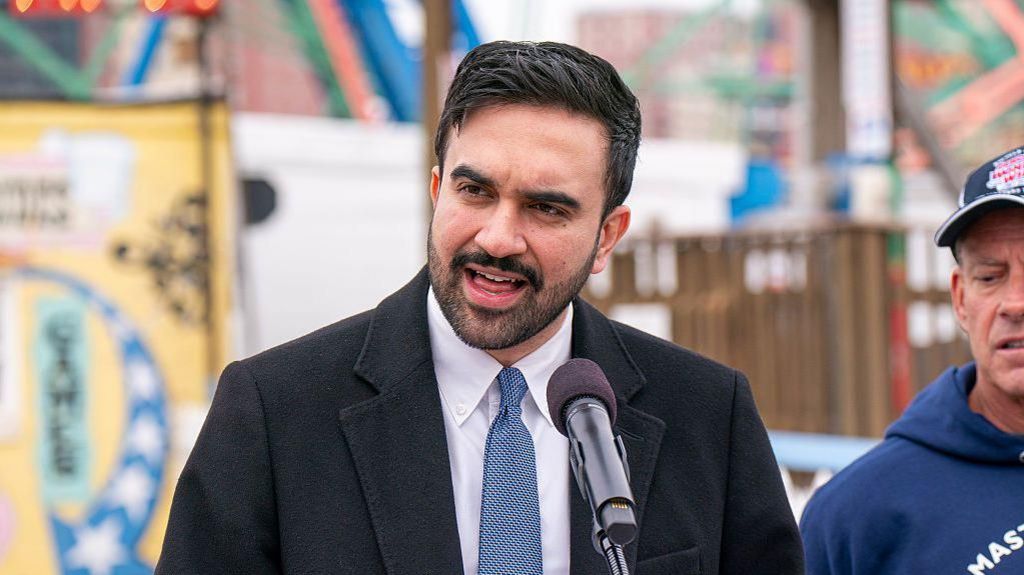
New York City Mayor Zohran Mamdani is facing a legal challenge and City Council scrutiny following the rollout of a "pied-à-terre" tax on second homes. The policy, intended to fund social programs, involves an annual fee for second homes valued over $5 million and condos or co-ops worth more than $1 million. The administration recently published a list of nearly one million properties and their owners' names to identify those potentially subject to the surcharge, leading to a heated oversight hearing at City Hall on Tuesday.
The tax initiative follows Mayor Mamdani’s campaign platform focused on city affordability, including pledges for universal child care and expanded bus services. While Governor Kathy Hochul has expressed support for the measure, the publication of property data has drawn criticism from some lawmakers and residents. The New York City Department of Finance stated the information was already public data the city is legally required to provide annually, but critics argue the presentation of the list unfairly targets specific homeowners.
During the City Hall hearing, Council Member Kamillah Hanks characterized the list as a security risk and a "scarlet letter" for property owners. Jason Haber of the American Real Estate Association testified that the list could assist scammers or fraudsters in targeting residents. Conversely, supporters like school finance professor Dave Backer and resident Beverly Solo argued the tax is a fair way for wealthy non-residents to contribute to city services. Solo noted that while the goal is reasonable, the implementation has been "a mess."
Beyond the immediate financial impact on homeowners, the tax has created a rift in the real estate market and local governance. Real estate representatives report that some buyers have paused searches for luxury properties due to the new costs and the "confusion" of the rollout. This has led to debate over whether the revenue gained from the tax will be offset by a potential decline in real estate investment and related tax collections. The list itself includes high-profile figures such as Ken Griffin, Woody Allen, Anna Wintour, and Cynthia Nixon, highlighting the scale of wealth the city is attempting to tap.
The legal and political outcome of this tax will set a precedent for how American cities address wealth inequality through property levies. Similar measures in other jurisdictions have seen mixed results; for example, a vacancy tax in Vancouver raised $194 million over eight years but did not lower rent, while a San Francisco tax was ruled unconstitutional and remains in litigation. In New York, a group of homeowners has already sued to have the property list unpublished. The Mamdani administration declined to testify at the Tuesday hearing due to the ongoing litigation, meaning the next steps depend on court rulings regarding the legality of the rollout and the list’s publication.