The Plain Record

Neutral daily news — clear headlines, complete facts.

National

New York Class Project Uncovers 1945 Liberation of Holocaust Train

A high school history project in New York led to the documentation of the 1945 liberation of 2,500 Holocaust survivors from a train near Magdeburg, Germany.

Published September 13, 2026 at 11:50 AM EDT

The short answer

A high school history project in New York led to the documentation of the 1945 liberation of 2,500 Holocaust survivors from a train near Magdeburg, Germany.

New York Class Project Uncovers 1945 Liberation of Holocaust Train

The Facts

Who
Matt Rozell, Carrol Walsh, Peter Lantos, and James Bulgin
What
Documentation of a 1945 Holocaust train liberation involving 2,500 survivors.
When
April 13, 1945 (event); 2001 (initial interview)
Where
Magdeburg, Germany and Hudson Falls, New York
Why
To document and preserve the oral history of a little-known liberation event as the population of Holocaust survivors declines.

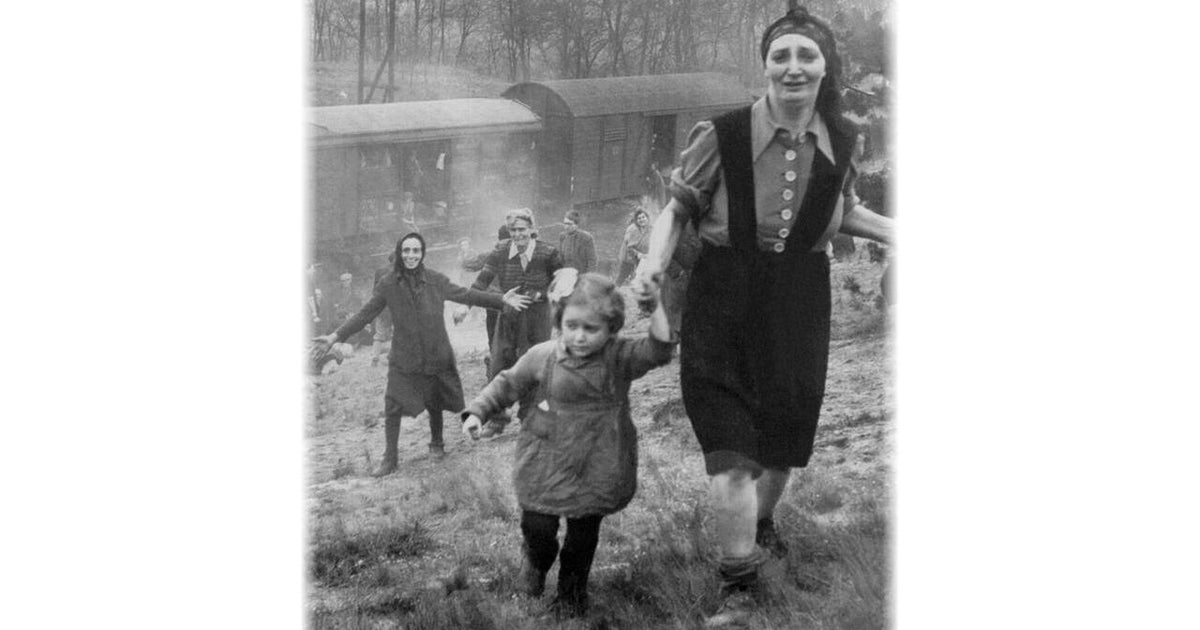
A high school oral history project in Hudson Falls, New York, led to the documentation of a little-known event from World War II involving the liberation of a train carrying 2,500 Jewish prisoners. The survivors, who were being transported from the Bergen-Belsen concentration camp to another facility, were intercepted by American soldiers near Magdeburg, Germany, on April 13, 1945.

The story emerged in 2001 when history teacher Matt Rozell interviewed Carrol Walsh, a retired U.S. Army sergeant. During the recorded interview, Walsh described encountering the train on a "beautiful April day" while his unit was advancing through Germany. He recalled seeing people in a "very distressed state" inside the train cars.

According to James Bulgin, head of public history at the Imperial War Museum in London, the prisoners were "on the brink of death" at the time of their liberation. Bulgin stated that although the train was being moved to a different location, a plan had emerged to kill the prisoners once the German forces realized they could not reach their destination due to the chaos at the end of the war.

Among the survivors was Peter Lantos, who was five years old when he and his mother were placed on the train. Lantos, who later became a neuroscientist, reported that he lost 21 family members during the Holocaust, including his father who died of starvation at Bergen-Belsen.

The documentation of this event affects remaining Holocaust survivors and their families by preserving specific accounts of survival and liberation. It is estimated that of the 200,000 survivors of the Holocaust still living, half will be deceased within the next five to seven years. For these individuals and their descendants, the discovery of records like the 1945 photos taken by soldier Clarence J. Benjamin provides visual evidence of their personal histories.

The project has resulted in the publication of the book "A Train Near Magdeburg" and a documentary film. The Imperial War Museum has integrated this specific story into its Holocaust galleries.

Following the 2001 interview, Rozell heard from dozens of other survivors and liberators. Upcoming work related to documenting survivors includes the documentary "A Train Near Magdeburg" by filmmaker Mike Edwards, and the work of photographer Gillian Laub, who has completed over 300 portraits of survivors for a project titled "Live2Tell."

Timeline of what happened

Key dates and decisions, in the order they occurred.

  1. April 13, 1945

    American soldiers liberate 2,500 prisoners from a train near Magdeburg

  2. 2001

    Teacher Matt Rozell interviews veteran Carrol Walsh, uncovering the story

  3. February 23, 2025

    Sunday Morning airs segment on Holocaust survivors bearing witness

  4. February 15, 2026

    60 Minutes reports on survivors born in concentration camps and on trains

Summaries are written by The Plain Record to state the facts of a story plainly and without political slant. Drafted with AI assistance and checked against the source record before publication. See how we report, or report a correction.

← Back to the front page

Questions readers ask

What happened: New York Class Project Uncovers 1945 Liberation of Holocaust Train?

A high school oral history project in Hudson Falls, New York, led to the documentation of a little-known event from World War II involving the liberation of a train carrying 2,500 Jewish prisoners. The survivors, who were being transported from the Bergen-Belsen concentration camp to another facility, were intercepted by American soldiers near Magdeburg, Germany, on April 13, 1945.

Who is involved?

Matt Rozell, Carrol Walsh, Peter Lantos, and James Bulgin

When did this happen?

April 13, 1945 (event); 2001 (initial interview)

Where did this happen?

Magdeburg, Germany and Hudson Falls, New York

Why does this matter?

To document and preserve the oral history of a little-known liberation event as the population of Holocaust survivors declines.