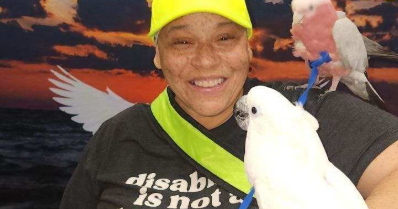
Tracey White, a 60-year-old runner from New York, returned to physical activity following a revision amputation of her right leg. The follow-up surgery was required after her initial below-the-knee amputation in 2021 resulted in persistent pain that prevented the effective use of a prosthetic limb.
White’s medical history began in the spring of 2021 when she experienced foot pain following a half marathon. By July 2021, she was diagnosed with diabetic neuropathy and Charcot’s foot, a condition involving nerve damage that leads to bone fractures and dislocations. An infection became septic that summer, and by November 2021, her right foot suffered a complete break, necessitating an emergency below-the-knee amputation.
Following the initial surgery, White experienced chronic pain because the bone and muscle structure of her residual limb did not provide adequate padding. Dr. Omri Ayalon, an orthopedic surgeon at NYU Langone, performed a revision amputation to remove more of the limb and adjust the tissue. Dr. Justin Greisberg of NewYork-Presbyterian/Columbia University Irving Medical Center, who did not treat White, noted that revision surgeries are uncommon and typically occur months after an initial procedure when tissues atrophy or nerves become irritated.
A person undergoing this procedure would notice a significant change in their daily physical capabilities and medical costs. White spent several months in a wheelchair and on crutches following the revision before transitioning back to physical therapy. The successful revision allowed her to participate in a four-mile run and a New Year’s Day swim in January 2025, activities she could not perform comfortably prior to the second surgery. This type of surgery sets a precedent for long-term prosthetic care, demonstrating that initial surgical outcomes may change as swelling subsides or bone prominences become more pronounced.
Looking ahead, White will continue regular check-ups with Dr. Ayalon to monitor her prosthetic care and physical therapy progress. She has stated her goal is to return to competitive marathon running. Future medical monitoring will focus on ensuring the skin and soft tissue continue to heal appropriately around the revised bone structure to prevent the return of the stabbing pain she previously reported.