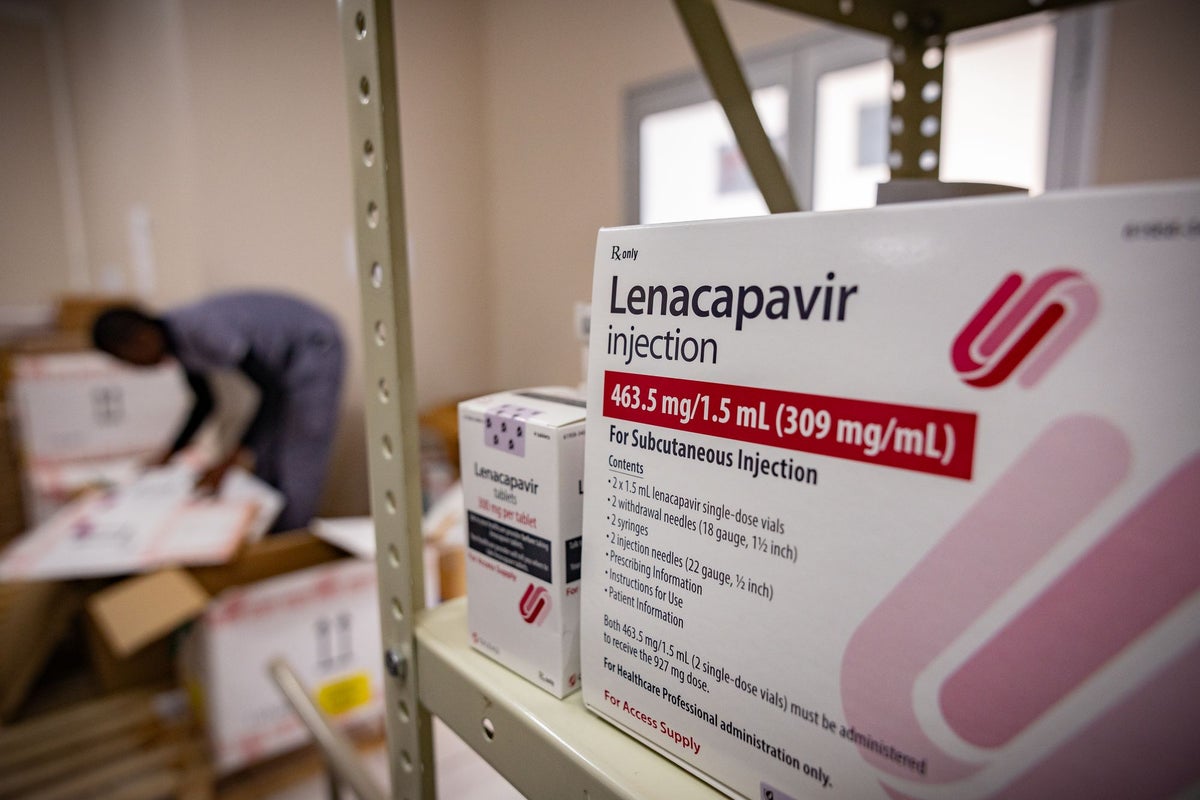
NHS England announced this week that it will provide lenacapavir, a twice-yearly injectable treatment, to hundreds of residents living with multidrug-resistant HIV. The medication serves both as a treatment for those who have exhausted other options and as a preventative measure. HIV advocacy groups have noted that the drug could assist individuals who face barriers to daily pill regimens, such as geographic isolation or financial insecurity.
While the drug will soon be available in England, international aid organizations have raised concerns regarding its global distribution. Clinical trials for lenacapavir were hosted in several nations, including Brazil, Mexico, and Peru. However, these countries currently face the full market price for the drug, which ranges from $28,000 to $40,000 (£21,000 to £29,000) per person per year.
Médecins Sans Frontières (MSF), also known as Doctors Without Borders, has launched a campaign titled "Lenacapavir: Two Shots. $40. Everywhere." The organization is calling for the price to be capped at $40 (£29) per person per year for all low- and middle-income countries. MSF is also requesting that global supply be increased and that humanitarian organizations be allowed to purchase the medication directly from the manufacturer, Gilead.
The decision by NHS England sets a precedent for how wealthy nations integrate high-cost, long-acting injectables into their public health systems. However, the high market price remains a barrier for middle-income countries that participated in the drug's development. If these nations cannot secure lower costs, they may be unable to implement the large-scale prevention programs necessary to meet the United Nations' goal of ending AIDS as a public health threat by 2030. The scale of the challenge is reflected in the fact that while generic versions may eventually lower costs in low-income areas, many mid-tier economies are currently excluded from those discounts.
Next steps for global access depend on negotiations between Gilead and international health bodies. Organizations like Unitaid and the Global Fund are working to secure and deliver generic versions of the drug. In the UK, advocates are calling for the government to use its diplomatic influence to pressure Gilead into expanding licensing agreements. The global community is currently working toward a 2030 deadline to end the AIDS epidemic, leaving roughly four years for these distribution and pricing frameworks to be finalized.