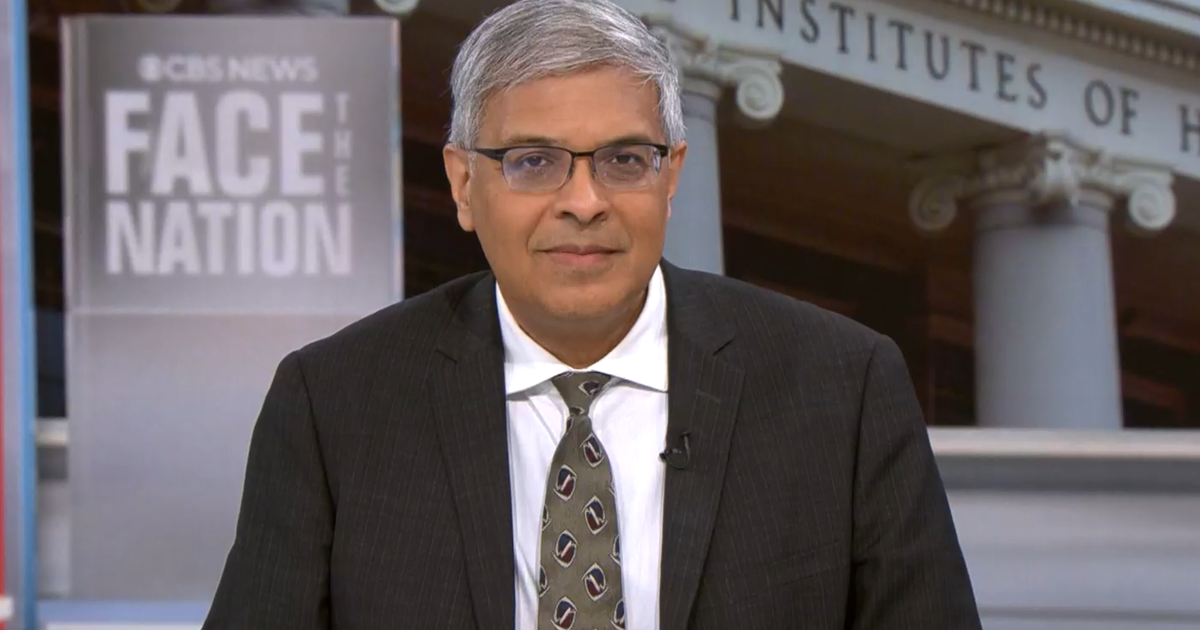
Dr. Jay Bhattacharya, Director of the National Institutes of Health (NIH), addressed multiple foodborne illness outbreaks and declining vaccination rates during a Sunday interview. Bhattacharya, who is also serving as acting director of the Centers for Disease Control and Prevention (CDC) until next Wednesday, stated that federal agencies are working to trace the origins of a cyclospora outbreak and several salmonella alerts affecting dozens of states.
The food safety concerns follow two deaths in late June and early July linked to cyclospora in iceberg lettuce from Mexico, which has now reached 15 states. Additionally, the USDA and CDC have issued alerts for salmonella potentially linked to jalapeños, meat, poultry, and eggs, impacting at least 27 states. Bhattacharya reported that technical difficulties in tracing cyclospora make it harder to identify specific sources compared to bacterial infections, but he noted that the CDC and FDA are currently intervening with suppliers.
Regarding public health, Bhattacharya noted that measles cases have reached their highest level in 35 years, with only 10 states maintaining the 95% vaccination threshold required for herd immunity. He attributed the decline in vaccination rates to a "collapse in public trust" resulting from public health policies implemented during the COVID-19 pandemic. While Bhattacharya recommended that parents vaccinate children with the MMR (measles, mumps, and rubella) vaccine, he also criticized past pandemic measures, such as school closures and vaccine mandates, as contributors to current skepticism.
The decline in measles vaccination below the 95% threshold places students and school communities at higher risk for outbreaks of a disease that was previously considered eliminated in the U.S. This shift forces parents to weigh vaccination decisions against a backdrop of conflicting messaging. Bhattacharya stated that the loss of trust has led to measles outbreaks in specific communities in Pennsylvania and elsewhere, mirroring trends seen in Canada, Mexico, and the United Kingdom.
Looking ahead, the NIH has launched the Autism Data Science Initiative to investigate the rise in autism cases, with initial results from more than a dozen scientific teams expected in late August. Bhattacharya also noted that the White House is preparing an executive order regarding vaccines and autism, though the specific text and effective date have not been finalized. The CDC will transition to a new director following Bhattacharya's departure from the acting role on Wednesday, August 12.