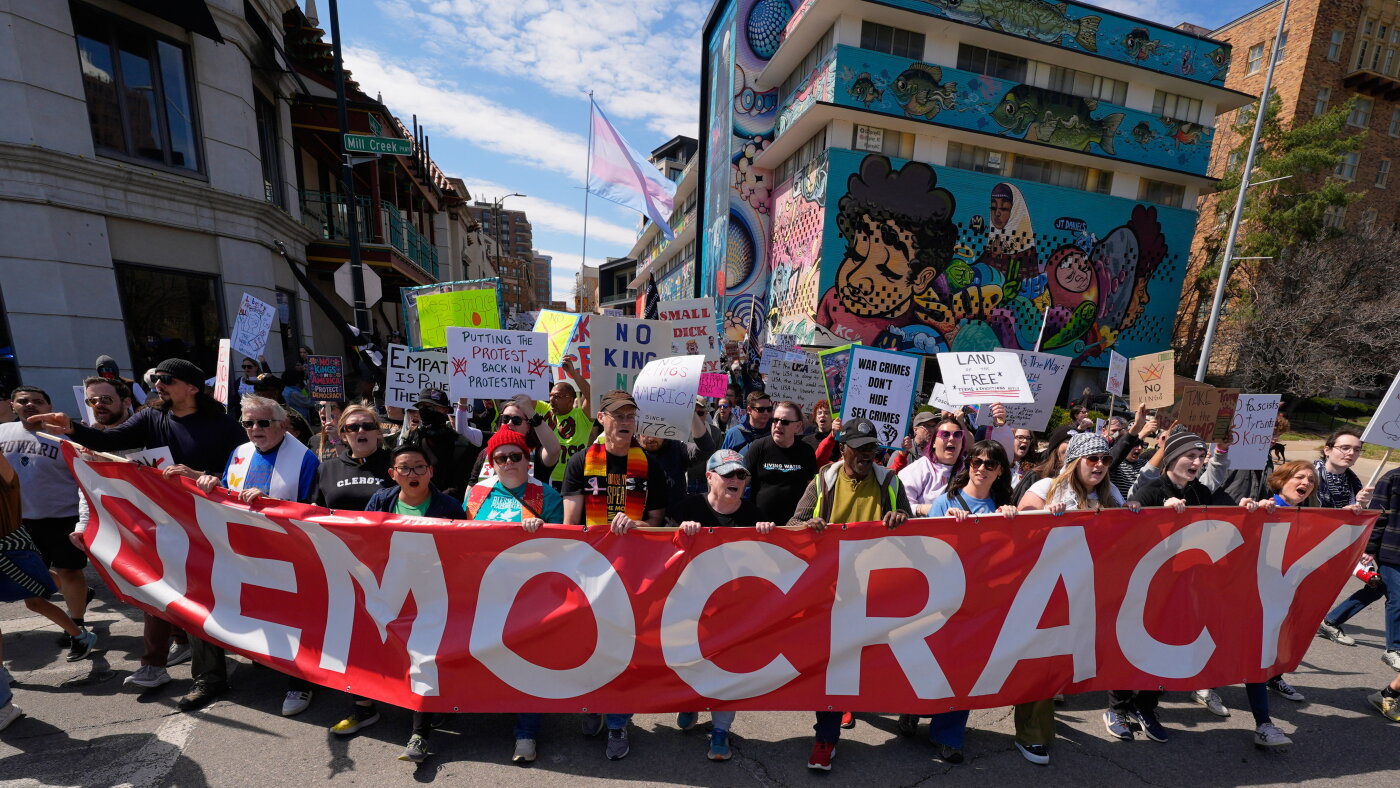
The No Kings coalition, an organization that previously led demonstrations regarding the actions of President Donald Trump, is shifting its focus to voter turnout initiatives. Organizers announced that more than 3,000 "No Kings: Vote Early" marches and events are scheduled for Saturday across the United States. The coalition describes the effort as a nonpartisan campaign to encourage early voting in the upcoming midterm elections.
The coalition includes hundreds of partner organizations, such as the American Civil Liberties Union, Black Voters Matter, and Indivisible. This transition follows three previous days of nationwide protests since the beginning of Trump's second term. While organizers have stated that Trump's actions resemble those of a monarch, the President has previously rejected that characterization. Ezra Levin, co-founder of Indivisible, stated that the network is moving past demonstrations intended to "send a message" in favor of direct electoral participation.
The Saturday events will include rallies, block parties, and marches where volunteers will assist attendees with checking voter registration and creating voting plans. Organizers stated that the events will not include political endorsements or candidate speeches. In addition to turnout efforts, the coalition is focused on training volunteers as poll watchers. Levin cited concerns regarding election integrity and administration policies, such as the failed SAVE America Act and potential restrictions on mail-in voting, as the impetus for the monitoring program.
For individuals, the concrete change will involve access to resources like QR codes for voting information and assistance from trained poll monitors. In Frisco, Texas, for example, organizers prepared 500 information kits for residents ahead of the state's October 19 early voting start date. A person at the polls may notice volunteers wearing identifying T-shirts from groups like Common Cause, who are trained to answer questions about voting rights and procedures. These monitors are intended to be present during the voting period to observe the process and assist voters with technical or legal questions.
The knock-on effects of this effort include the potential for increased pressure on local election boards to manage higher early voting volumes and the presence of new poll monitors. The initiative establishes a precedent for protest-oriented coalitions to pivot their infrastructure toward logistical election support. What happens next depends on the specific schedules of each state; for instance, Texas begins early voting on October 19. The effectiveness of the recruitment drive for poll watchers and the final impact on turnout figures will be determined following the conclusion of the midterm election cycle.