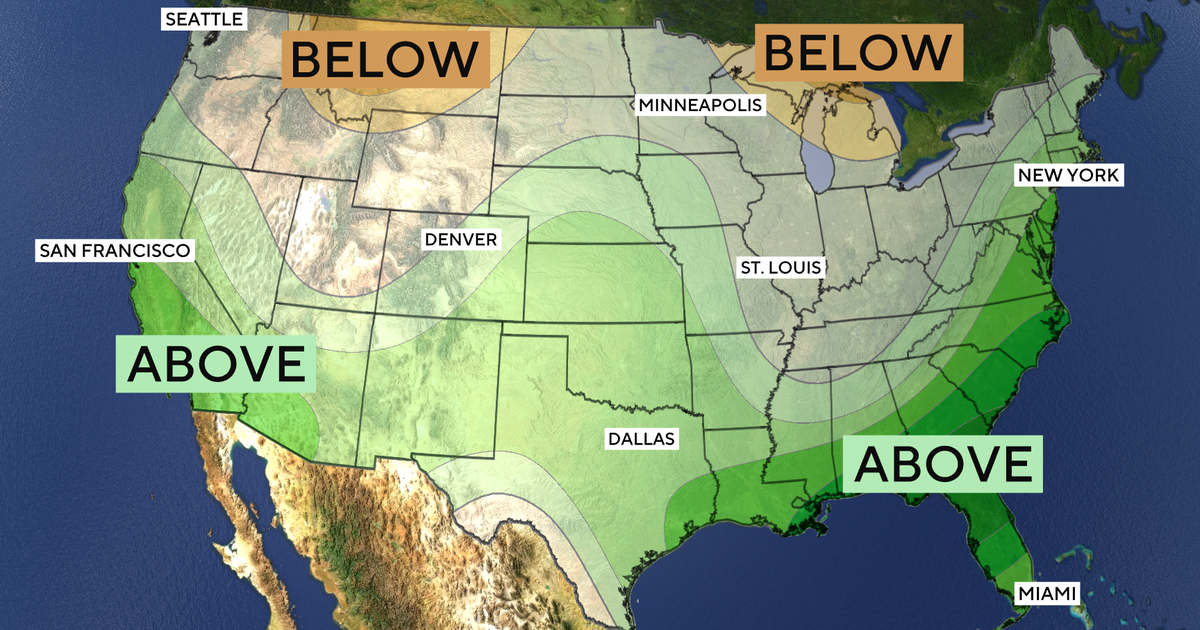
The National Oceanic and Atmospheric Administration (NOAA) released its winter weather outlook on a Thursday, forecasting that a strong El Niño pattern will likely bring increased precipitation to the southern United States while causing drier conditions in the north. The agency stated that this shift in weather patterns could provide relief to several regions currently experiencing drought, though officials noted the potential for flash flooding.
El Niño is a climate pattern defined by ocean temperatures in the tropical Pacific that influences weather globally. While it is the warmer phase of the El Niño-Southern Oscillation cycle, NOAA experts emphasized that its presence does not necessarily eliminate the risk of severe winter weather. The forecast covers the three-month period from December through February.
Ken Graham, director of NOAA’s National Weather Service, stated during a briefing that historical data from previous El Niño events suggests stormier weather for the southern tier of the country. This includes the Southwest, Southeast, and portions of the East Coast. Conversely, the Great Lakes, the northern Mountain West, Hawaii, and much of Alaska are expected to see drier-than-average conditions.
For individuals in the southern U.S., the change will be an increase in storm activity between December and February. While this may replenish water supplies, Ken Graham warned that high volumes of precipitation falling on dry soil can lead to flash floods and mudslides. Residents in the northern U.S., including the Pacific Northwest and Midwest, are likely to see warmer-than-average temperatures.
The outlook establishes that weather patterns in the coming months will be driven largely by the strength of the current El Niño. In regions like the Intermountain West, northern Plains, and Ohio Valley, the agency reported equal chances of above- or below-average precipitation. The National Weather Service advised communities in high-risk zones to prepare for flooding as the season approaches. The agency did not provide specific dates for the onset of these weather shifts beyond the general December-to-February timeframe.