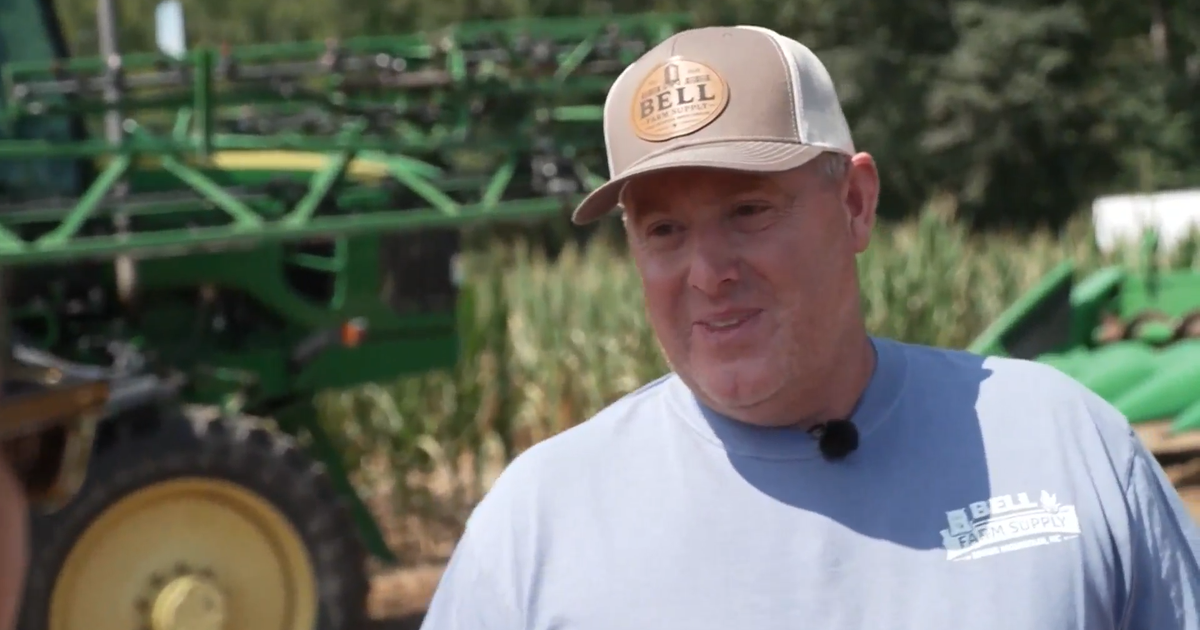
Matt Bell, a farmer in Kings Mountain, North Carolina, reported that rising costs for fuel, fertilizer, and equipment are impacting his operation of more than 1,000 acres. Bell, who grows corn, wheat, and soybeans and raises cattle, stated that these expenses have led some local farmers to consider closing their businesses after the current growing season. He noted that despite cutting discretionary spending, the necessity of diesel fuel and fertilizer for farm operations maintains high overhead costs.
External factors including international conflict and trade policy have contributed to these price increases. A naval blockade in the Strait of Hormuz related to a conflict with Iran has restricted oil tanker movement, while fighting between Saudi Arabia and Iran-backed Houthi rebels in Yemen has affected Red Sea fuel supplies. Additionally, AAA reported that national diesel prices averaged approximately $6.40 per gallon, nearly double the average from one year ago. In North Carolina, diesel prices reached a record high of $6.19 per gallon.
Trade policies under the Trump administration have also influenced farm costs. While China reached an agreement in May to purchase 25 million metric tons of U.S. soybeans annually through 2028, it maintains a 10% retaliatory tariff on those soybeans. This tariff was issued in response to U.S. levies related to fentanyl. The American Soybean Association sent a letter to President Trump on Thursday requesting the elimination of the 10% tariff during his upcoming meeting with Chinese President Xi Jinping.
The financial pressure affects independent agricultural producers like Bell, who reported that his annual fuel budget of $35,000 was exhausted by August. He expects his total fuel expenditure for the year to reach between $50,000 and $60,000. For his operation, the daily cost to operate a combine has risen to approximately $600, more than double the daily cost recorded last year. Bell stated that while federal bailout programs for farmers exist, he characterized the payments as "not a lot of money" and insufficient to offset the increased cost of production.
The shift in expenses has forced operational changes for Bell. He has altered his acreage, extended the use of older equipment, and began producing his own fertilizer to mitigate costs. His children have also opened a retail storefront for fall activities like hayrides and pumpkin picking. These changes reflect a struggle for survival among farmers who face volatile fuel markets where price quotes from distributors may change between the morning and afternoon.
The long-term impact involves the potential closure of family farms. Bell, a Republican who previously supported the administration's stance on Iran and trade, stated he feels "misled" by current policies and intends to vote a split ticket in November. He noted that the promised prioritization of American farmers has not materialized in a way that addresses their current financial instability. The American Soybean Association continues to monitor trade negotiations, with the next significant milestone being the meeting between U.S. and Chinese leadership scheduled for next week.