The Plain Record

Neutral daily news — clear headlines, complete facts.

National

North Korea Tests Missiles After Trump Announces Intent to Meet Kim Jong Un

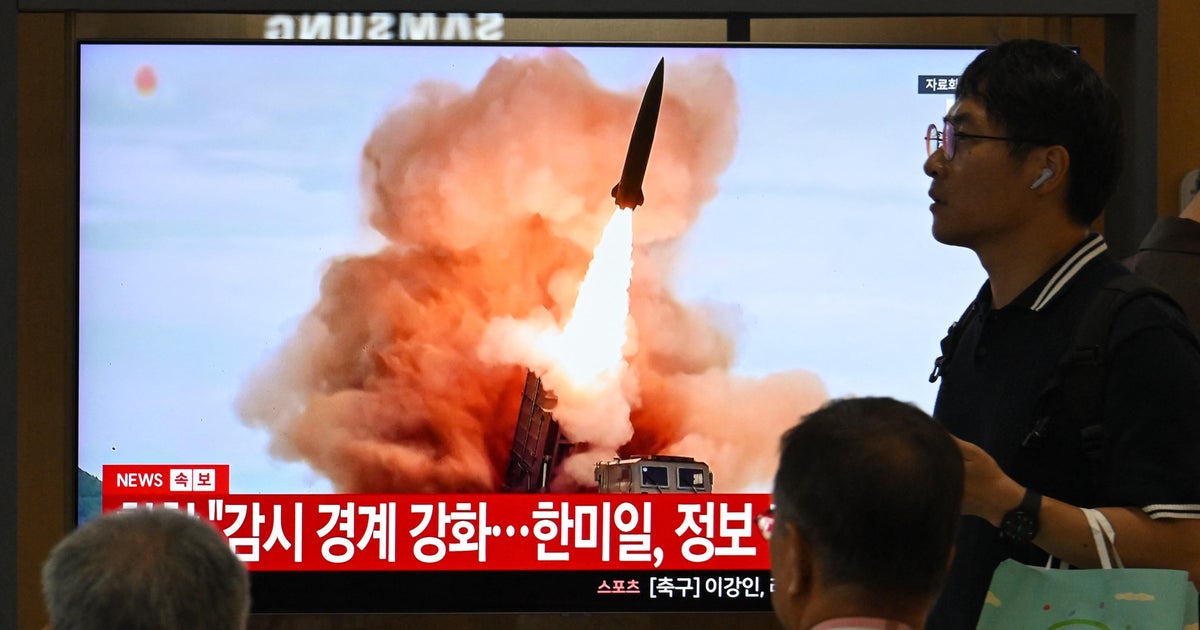
North Korea launched approximately 10 short-range missiles on Thursday following President Trump's announcement of a proposed summit with Kim Jong Un.

Published August 20, 2026 at 4:35 PM EDT

The short answer

North Korea launched approximately 10 short-range missiles on Thursday following President Trump's announcement of a proposed summit with Kim Jong Un. North Korea launched approximately 10 short-range ballistic missiles from the Pyongyang area on Thursday, according to South Korea’s military.

North Korea Tests Missiles After Trump Announces Intent to Meet Kim Jong Un

The Facts

Who
President Donald Trump, Kim Jong Un, Kim Yo Jong, and South Korean military officials
What
North Korea launched short-range ballistic missiles following President Trump's announcement of a planned meeting with Kim Jong Un.
When
Thursday
Where
Seoul, South Korea, and the Pyongyang area of North Korea
Why
The missile launches and the scaling back of U.S.-South Korean military drills represent a shift in regional security policy and diplomatic efforts regarding North Korea's nuclear program.

Timeline of what happened

Key dates and decisions, in the order they occurred.

  1. August 19, 2026

    Statements from Pyongyang and Seoul anti-terror drills

    Kim Yo Jong describes the relationship between leaders as excellent; South Korean soldiers participate in anti-terror drills.

  2. August 20, 2026

    North Korea launches ballistic missiles

    Seoul's Joint Chiefs of Staff report approximately 10 short-range missiles launched.

  3. August 21, 2026

    Ulchi Freedom Shield exercises end

    Joint U.S.-South Korea military exercises scheduled to conclude early at U.S. suggestion.

North Korea launched approximately 10 short-range ballistic missiles from the Pyongyang area on Thursday, according to South Korea’s military. The launch occurred hours after U.S. President Donald Trump announced his intention to meet with North Korean leader Kim Jong Un later this year to discuss nuclear weapons. Japan’s prime minister’s office confirmed the event, stating that at least one suspected missile had fallen shortly after detection.

The missile tests coincide with the U.S. decision to scale back "Ulchi Freedom Shield," a major annual joint military exercise with South Korea. President Trump ordered the reduction, stating the exercises sent an "inappropriate and hostile signal" to North Korea and citing his relationship with Kim. While Pyongyang has long criticized these drills as invasion rehearsals, the Pentagon stated that the early conclusion of the exercises—now set for Friday—would not degrade U.S. training objectives.

Discrepancies emerged Thursday regarding the size of North Korea’s nuclear arsenal. President Trump stated that Pyongyang possesses 57 "very powerful" nuclear weapons, while officials in Seoul estimated the number to be between 80 and 120 warheads. Despite these developments, Kim Yo Jong, the North Korean leader’s sister, stated on Wednesday that the relationship between the two leaders remains "excellent," though she noted she was unaware of any current active communication.

The scale of the military shift involves the early termination of a primary defensive exercise designed to prepare for potential North Korean aggression. While the Pentagon maintains training standards remain met, the change serves as a shift in U.S. policy toward its Asian allies. South Korean officials expressed uncertainty regarding the discrepancy in nuclear warhead counts—a difference of 23 to 63 weapons between U.S. and South Korean estimates—which could influence future defense spending and strategic planning for the Seoul government and its residents.

The knock-on effects of these diplomatic and military maneuvers extend to South Korea's internal defense policy. President Lee Jae Myung stated he would support the U.S. peacemaking efforts while continuing to push for stronger homegrown defenses to decrease reliance on the United States. Furthermore, South Korean Defense Minister Ahn Gyu-back confirmed that Seoul continues to oppose recognizing North Korea as a nuclear-weapon state. The next critical step occurs on Friday when the joint military exercises officially conclude, followed by the scheduling of the proposed summit between Trump and Kim later this year.

Summaries are written by The Plain Record to state the facts of a story plainly and without political slant. See our editorial standards, or report a correction.

← Back to the front page

Questions readers ask

What happened: North Korea Tests Missiles After Trump Announces Intent to Meet Kim Jong Un?

North Korea launched short-range ballistic missiles following President Trump's announcement of a planned meeting with Kim Jong Un.

Who is involved?

President Donald Trump, Kim Jong Un, Kim Yo Jong, and South Korean military officials

When did this happen?

Thursday

Where did this happen?

Seoul, South Korea, and the Pyongyang area of North Korea

Why does this matter?

The missile launches and the scaling back of U.S.-South Korean military drills represent a shift in regional security policy and diplomatic efforts regarding North Korea's nuclear program.