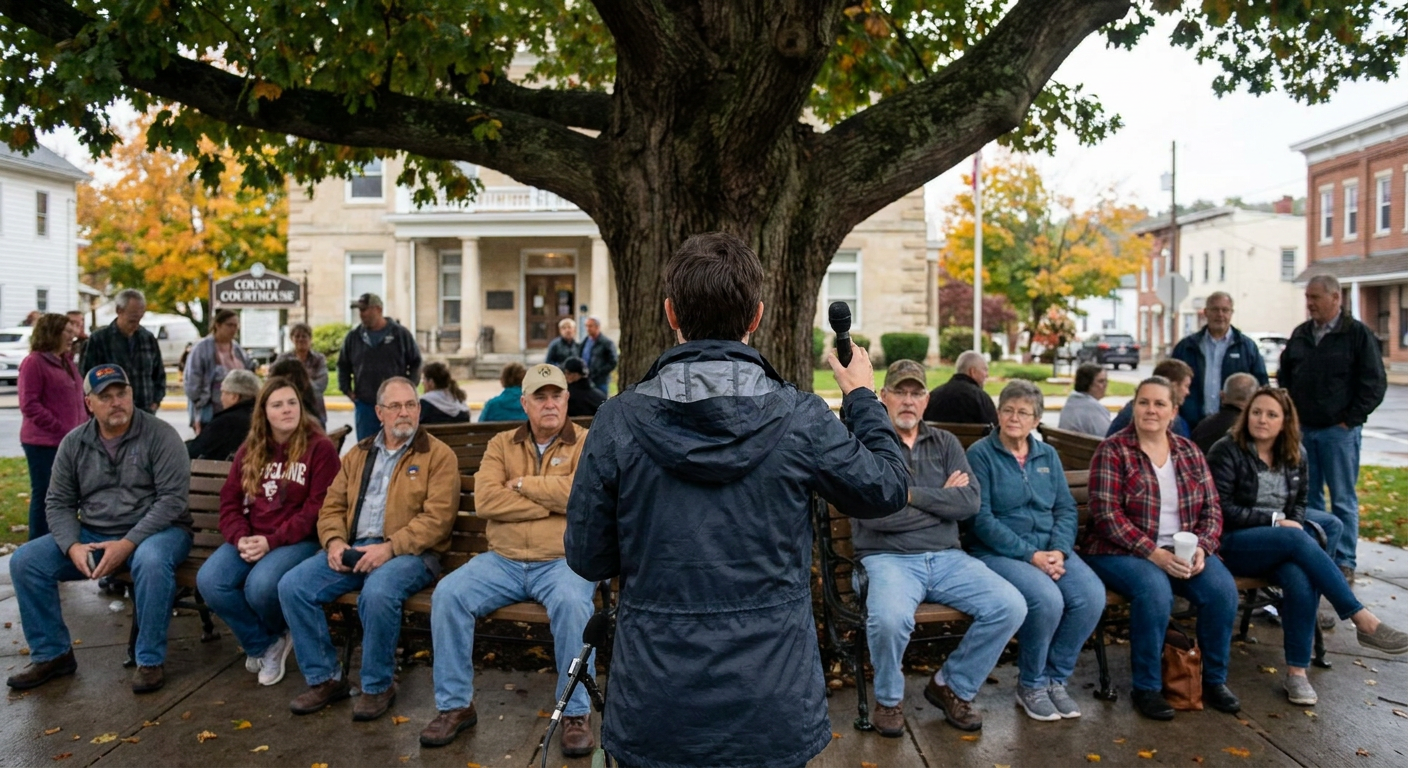
NPR political correspondent Ashley Lopez shared observations on Saturday regarding the complexities of reporting on swing voters in key electoral states. The report, featured in a "Reporter's Notebook" segment, detailed the lessons learned from observing and listening to groups of voters who remain undecided or change their party preferences between election cycles.
The reporting involved direct engagement with voter groups in various swing states to understand the factors influencing their political decisions. These interactions focused on identifying the specific issues and personal motivations that drive individuals to move between political parties or candidates.
According to the report, covering these segments of the population involves navigating nuanced perspectives that do not always align with broad partisan categories. The correspondent highlighted that these voters often prioritize specific local or personal concerns over national party platforms, making their behavior more difficult to predict through traditional polling methods.
A person in a swing state may notice a high concentration of political advertisements, direct mail, and door-to-door canvassing specifically tailored to the concerns raised in these voter groups. The reporting suggests that these citizens experience a different day-to-day reality during election seasons than those in non-competitive states, as their specific legal rights and economic benefits are frequently the focus of intense legislative debate. The knock-on effects include how political parties allocate resources, how future policies are drafted to appeal to middle-of-the-road voters, and how media organizations structure their coverage to avoid oversimplifying the electorate.
The precedent set by this type of deep-dive reporting emphasizes qualitative listening over quantitative data alone. What happens next depends on how these identified voter concerns translate into actual ballots in upcoming elections. While the report provided insights into voter sentiment as of August 22, 2026, the specific dates for future voter group sessions or the final impact on upcoming election deadlines were not reported in the source text. Currently, the findings serve as a framework for understanding the ongoing shifts in the American political landscape.