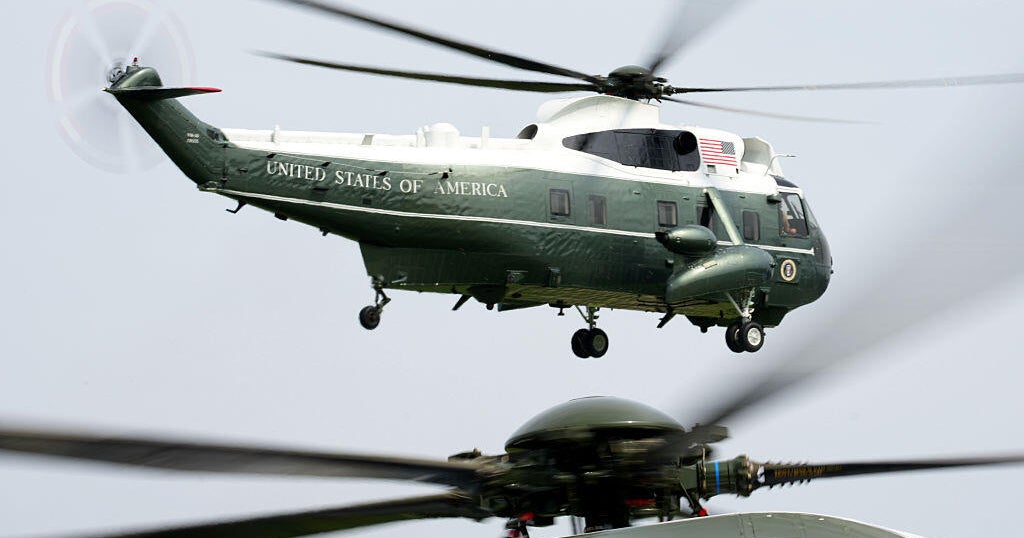
A preliminary report from the National Transportation Safety Board (NTSB) found that air traffic controllers at Ronald Reagan Washington National Airport (DCA) did not hear radio warnings from Marine One during an August 4 incident involving President Trump's helicopter. While separate recordings confirmed the pilots made the required calls before takeoff, tower recordings showed they were not received by controllers, leading to a commercial jet being cleared for takeoff in the same airspace.
The incident occurred despite a meeting one week prior where pilots and controllers discussed communication difficulties regarding the standard three-minute warning for presidential flights. The NTSB report noted that a backup plan to relay messages through a third party at Joint Base Anacostia-Bolling was also unsuccessful on the day of the event. The Federal Aviation Administration (FAA) had previously implemented stricter separation rules following a January 29, 2025, midair collision at the same airport involving an airliner and an Army Black Hawk helicopter that resulted in 67 deaths.
During the August 4 encounter, an Envoy Air flight and Marine One came within approximately 0.8 miles laterally and 700 feet vertically of each other. The Envoy Air crew reported receiving a collision avoidance system alert but did not see the helicopter. Marine One pilots observed the plane and paused their flight until the jet cleared the area. The NTSB said FAA technicians later determined that a lack of "line of sight" between the radio receiver and the White House takeoff location caused the communication failure, leading the agency to relocate antennas to the top of the Reagan tower.
Following last year's collision, it was revealed during a congressional hearing that a hotline between the Pentagon and the Reagan tower had been non-functional for more than three years without the FAA's knowledge. The NTSB findings show that environmental factors like "line of sight" obstructions prevented warnings from reaching controllers.
Immediate changes following this investigation include the physical relocation of radio antennas to improve signal reception between the White House and the airport tower. The FAA stated that subsequent tests showed these technical adjustments resolved the transmission issues. Moving forward, the aviation industry and military planners will be monitoring whether these hardware changes and updated relay procedures are sufficient to prevent further "losses of separation." The NTSB will continue its investigation toward a final report.