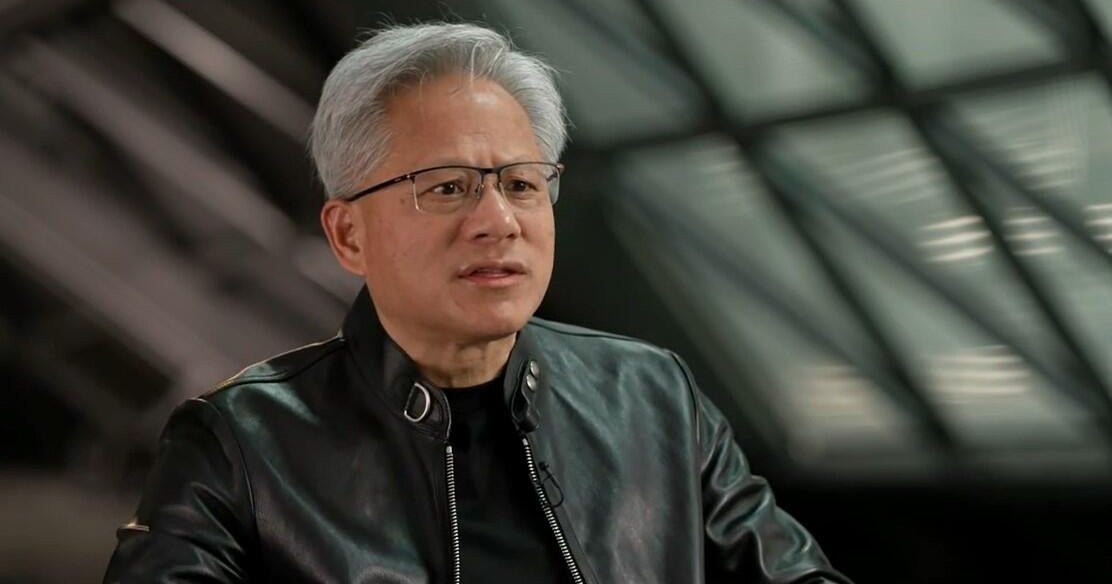
Nvidia founder and CEO Jensen Huang stated that technology companies should continue the development of artificial intelligence (AI) despite calls from some industry leaders to slow down. In an interview with CBS News scheduled to air on September 22, Huang said that development should proceed as fast as possible while maintaining safety standards. He noted that products should not be shipped before they are ready or unsafe.
The debate over the pace of AI innovation has intensified following public warnings from other industry figures. Nvidia, a Santa Clara-based chipmaker, currently holds a market capitalization exceeding $3 trillion, a valuation driven largely by the increasing demand for hardware that powers AI systems.
Opposing views have emerged from Anthropic, an AI firm. Jacob Coxon, a researcher at Anthropic, resigned earlier this month, alleging that companies are prioritizing innovation over security protocols. Coxon told CBS News that unregulated AI could eventually pose a threat to humanity. Anthropic CEO Dario Amodei also stated that the industry has historically downplayed risks and suggested the current "exponential" rate of development serves as a warning sign to slow down, though he did not call for a total shutdown of the technology.
The scale of this industry is measured in trillions of dollars and impacts nearly every sector of the American economy that utilizes digital infrastructure. According to Huang, the success of these AI initiatives is tied to national prosperity. However, the concerns raised by researchers like Coxon suggest that the cost of rapid development could involve risks to human safety and security. If companies or the federal government implement the guardrails requested by critics, the change would likely manifest as stricter safety testing periods for new software, potentially lengthening the time between product announcements and public availability.
The federal government's approach to these concerns remains a key factor in future policy. The Trump administration has generally been dismissive of warnings regarding AI threats, though some industry figures continue to lobby for government regulation. The next major milestone in this discussion is the broadcast of Huang's full interview on September 22, which may provide further details on Nvidia's specific safety protocols. Beyond that, the industry awaits any formal legislative proposals for guardrails or federal oversight, though no specific dates for such actions were reported.