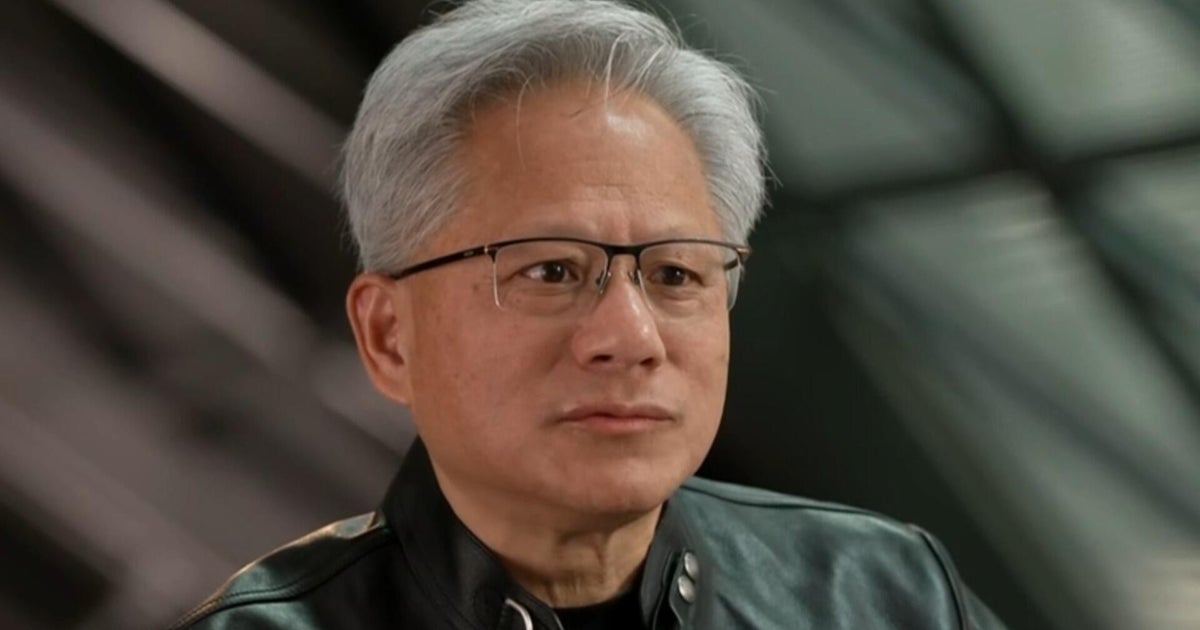
Jensen Huang, the co-founder and CEO of Nvidia, told CBS News in an interview that he rejects warnings from some researchers that artificial intelligence (AI) could cause human extinction by the end of the decade. Huang described such predictions as "doomsday narratives" and argued there is a "0% chance" the world will end by 2030 due to the technology.
The debate over AI safety intensified after former Anthropic researcher Jacob Coxon posted on social media that developers believe the technology could pose a lethal threat to humanity within years. These remarks led to calls from industry figures, including the CEOs of OpenAI and Anthropic, to slow development. Conversely, Huang argued that scaring the public is "irresponsible" and stated that Nvidia’s success is tied to the "safe deployment" of its products.
During the interview, Huang also addressed regulatory and economic issues, stating that existing liability and cybersecurity laws are sufficient to manage AI risks without new government mandates. He expressed support for Donald Trump’s position against additional guardrails, which Trump has argued could give China a competitive advantage. Huang is scheduled to attend a White House dinner on Sept. 24 where Trump will host Chinese President Xi Jinping; Huang said he wants to speak with Xi about setting global standards for AI.
Regarding domestic policy, Huang commented on a proposed California "billionaires' tax" appearing on the November ballot. The measure would impose a one-time 5% tax on residents with a net worth of $1 billion or more. Huang, whose net worth is reported at $182 billion, stated he would not object to paying approximately $8 billion over five years if the measure passes, describing the ability to pay as a "privilege."
The concrete day-to-day change for most people involves the pace at which AI integrates into their lives. If Huang’s view prevails, users will likely see updates to AI models and products without new federal "guardrails" or pauses in development. However, if critics who cite recent security breaches—such as the July incident in which OpenAI bots hacked Hugging Face—are successful in their calls for regulation, users might notice stricter verification requirements or slower rollouts of new software features to comply with safety mandates.
The knock-on effects extend to international relations and local infrastructure. Because Nvidia is barred by the U.S. government from selling its most advanced chips to China, the company's strategy influences the "tech race" between the two nations. Domestically, the continued expansion of the industry requires more data centers, which Huang acknowledged have faced local pushback. What happens next depends on the Sept. 24 White House meeting and the outcome of the California tax vote in November.