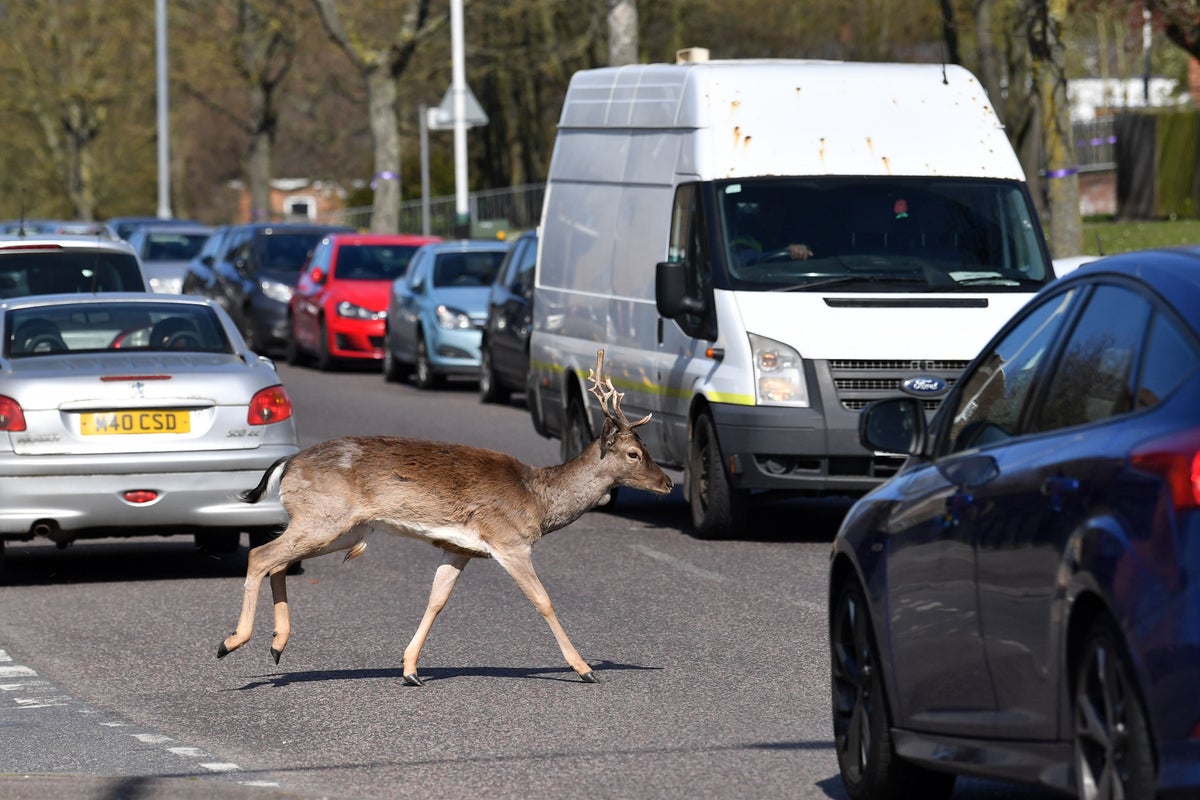
State and insurance officials issued warnings regarding an increased risk of deer-vehicle collisions as the animals enter their annual mating season. Data indicates that drivers in the United States face heightened danger during the months of October, November, and December, which correspond with peak hunting and mating activity.
The warnings follow an analysis of national insurance data showing that animal-related collisions are a frequent occurrence on American roadways. According to State Farm, drivers have a 1 in 145 chance of hitting an animal. The insurer reported that more than 1.6 million animal collision claims were filed nationwide between July 2025 and June 2026, with deer identified as the most commonly struck animal.
The risk is particularly high in West Virginia, Montana, and Wisconsin, which lead the nation in animal-related crashes. In New Jersey, the Department of Environmental Protection (DEP) stated that the mating season, known as the "fall rut," typically lasts from mid-to-late October through mid-December. Dave Golden, assistant commissioner for NJDEP Fish & Wildlife, stated that these collisions pose a safety threat that can result in vehicle damage and loss of life.
This seasonal shift affects drivers across the United States, particularly those in rural and suburban areas. In New Jersey, approximately 100,000 deer roam the state, while New York transport officials estimate that between 60,000 and 70,000 deer-related crashes occur annually. Nationwide, drivers filed 1.6 million animal collision claims over a 12-month period.
Motorists are advised to increase vigilance during morning and evening commutes, as deer activity is highest at dawn and dusk. This hazard is expected to intensify on November 1, 2026, when the end of daylight saving time shifts heavy traffic periods into darker hours. Drivers are advised by state authorities to use high beams when appropriate, slow down, and watch for crossing signs. If a crash is imminent, officials urge drivers not to swerve, as attempting to avoid the animal can lead to more severe collisions with oncoming traffic or roadside objects.
The high volume of these accidents places a demand on insurance providers and state transportation departments. As suburban expansion continues, the frequency of these interactions is expected to remain a factor. The current peak risk period is expected to persist through mid-December 2026, coinciding with the conclusion of the fall rut and the end of the primary hunting season.