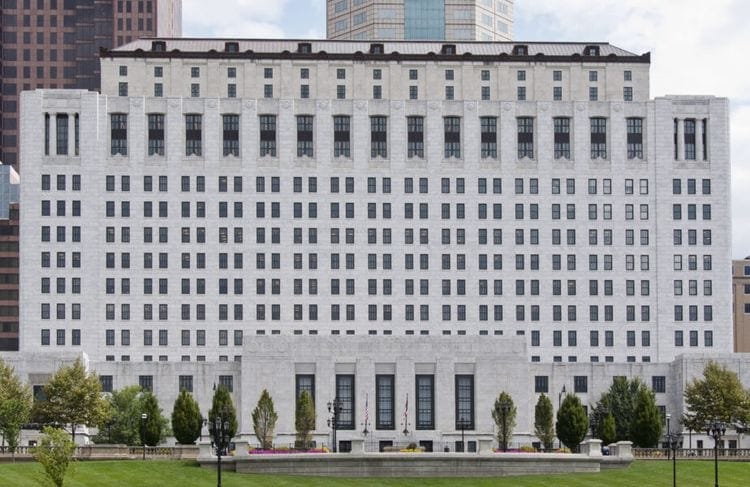
The Ohio Supreme Court ruled Tuesday that individuals with felony convictions may petition state trial courts to restore their firearm rights, even if a federal ban is also in place due to the same conviction. The 6-1 decision determined that a federal firearm prohibition does not automatically disqualify an applicant from seeking relief under Ohio’s restoration statute.
The case, State v. Heffley, involved an Allen County man convicted of fourth-degree felony domestic violence in 2006. Under Ohio law, individuals can petition a common pleas court to lift a firearms disability if they meet certain criteria, such as leading a law-abiding life. A trial court originally denied the request, reasoning that a separate federal ban meant the applicant was "otherwise prohibited by law" from owning a gun, regardless of the state's decision.
Writing for the majority, Justice R. Patrick DeWine stated that "otherwise prohibited" refers to bans stemming from separate, additional convictions rather than the single conviction being addressed. Justice Jennifer Brunner, the lone dissenter, argued the ruling creates a "galling disparity" because a prior court decision prevents those with misdemeanor domestic violence convictions from regaining gun rights, while this ruling provides a path for those with felony domestic violence convictions.
For the individual petitioner, the change is concrete: if a local judge grants their application, they would regain the legal right to possess a firearm for personal use. This process removes both the state disability and the accompanying federal ban under 18 U.S.C. 922(g)(1). However, restoration is not automatic; a person must still convince a common pleas judge that they have remained law-abiding and are likely to continue doing so, meaning the immediate impact on a person's rights depends on a discretionary judicial hearing.
The decision establishes a statewide precedent for how trial courts interpret the intersection of state restoration laws and federal prohibitions. It effectively resolves a legal "catch-22" where state courts previously felt powerless to act because of the federal ban, while federal law deferred to state restoration processes. Following this ruling, the case of Patrick Heffley returns to the Allen County Court of Common Pleas for a final determination on his specific application.