Brent crude, the international oil benchmark, rose more than 6% on Thursday to reach $100 per barrel. This marks the first time prices have reached this level since May. The increase followed a series of military strikes by the United States against Iran and attacks by Houthi militia on oil tankers in the Red Sea.
Energy markets also saw a rise in natural gas prices, with the UK benchmark reaching 150p per therm, up from 98p in late June. The price fluctuations come after a temporary ceasefire between the U.S. and Iran ended. U.S. Secretary of State Marco Rubio stated this week that Iranian leadership was not prepared to reach a formal agreement.
In response to potential inflationary pressures, Federal Reserve Chair Kevin Warsh told Congress he maintains a commitment to price stability. While President Donald Trump has called for interest rate cuts, the Federal Reserve maintained rates between 3.5% and 3.75% during its most recent meeting.
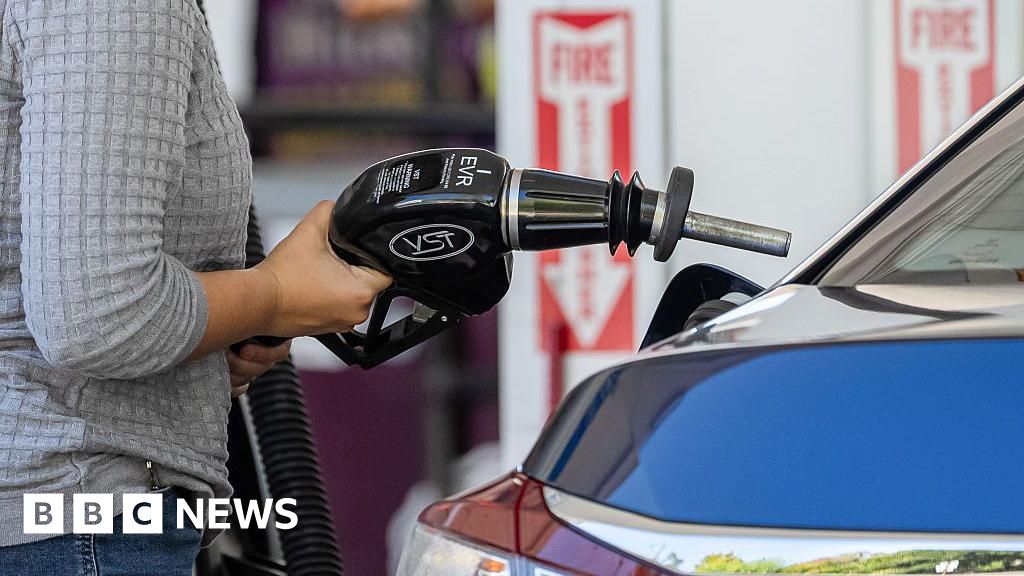
Retail fuel costs have reflected these market shifts. In the United Kingdom, petrol prices rose to £1.56 per litre, while U.S. gasoline prices averaged over $4 a gallon. Analysts noted that sustained higher energy costs often lead to increased transportation expenses for consumer goods.