Global oil prices rose above $100 a barrel on Thursday, driven by renewed military conflict and strikes in the Middle East that have impacted distribution. Brent crude, the international benchmark, reached this level for the first time since May. Analysts attribute the surge to volatility in the Strait of Hormuz and regional instability following a series of military actions involving the U.S., Israel, and Iran.
The increase in crude oil prices has led to higher costs at the pump, with the U.S. national average for regular gasoline reaching $4.09 per gallon on Thursday. According to AAA, drivers in most states are now paying $4 or more per gallon. Pavel Molchanov, an analyst at Raymond James, stated that retail prices are expected to continue rising into next week due to standard supply chain lags, though he noted that futures markets suggest prices may stabilize if military activity ceases.
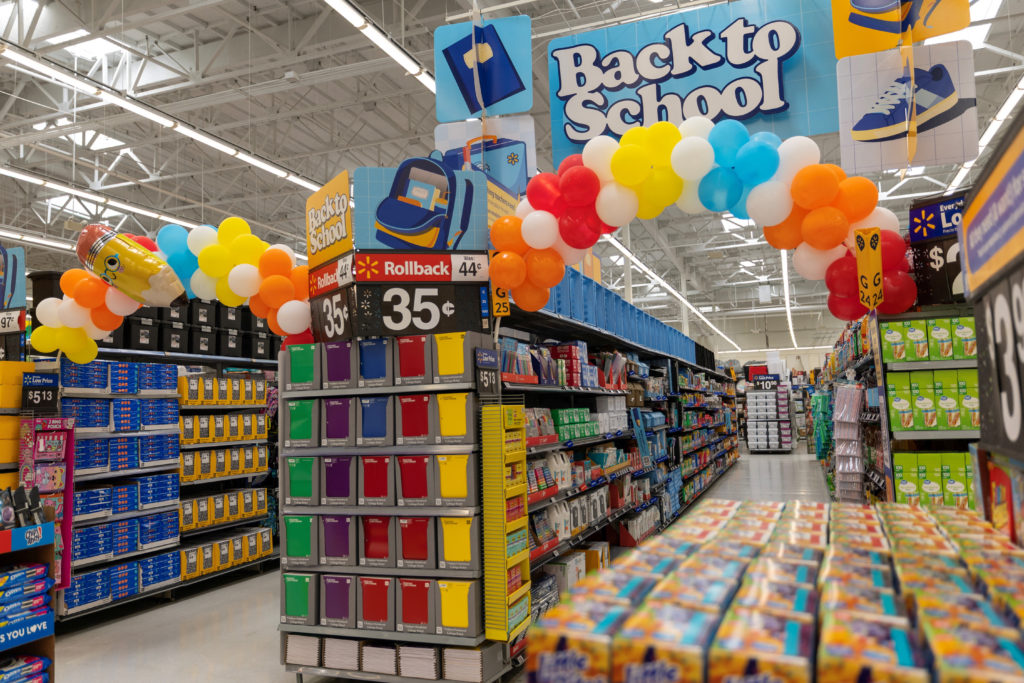
Retailers and economists report that higher energy costs are beginning to affect the pricing of consumer goods, including groceries and school supplies. Miguel Gomez, a professor at Cornell University, noted that food prices face upward pressure because of the fuel required for farm equipment, refrigerated trucking, and packaging. Shipping companies such as UPS and FedEx have maintained fuel surcharges, while AFS Logistics reported that truckload pricing has reached a four-year high due to diesel costs.
Some companies are reporting shifts in consumer behavior linked to these costs. Grocery chain Albertsons and retailer Tractor Supply Co. both lowered their financial outlooks this week, citing a pullback in discretionary spending. Tractor Supply CEO Hal Lawton told analysts that customers are consolidating shopping trips and becoming more deliberate in their purchasing as fuel costs for larger vehicles rise.