Ontario Premier Doug Ford and U.S. President Donald Trump exchanged verbal criticisms on Monday following the implementation of a 50 percent U.S. tariff on various Canadian goods. The dispute escalated as President Trump announced a second round of tariffs on Canadian vehicles and steel set for 2027, while Canadian Prime Minister Mark Carney prepared retaliatory measures.
The trade tension follows the collapse of negotiations between Ottawa and Washington last week. On Saturday, the U.S. began collecting a 50 percent tariff on $20 billion worth of Canadian imports, including agricultural products, clothing, and electronics. Prime Minister Carney characterized the move as an attack and stated that Canada would respond with "dollar for dollar" retaliatory levies.
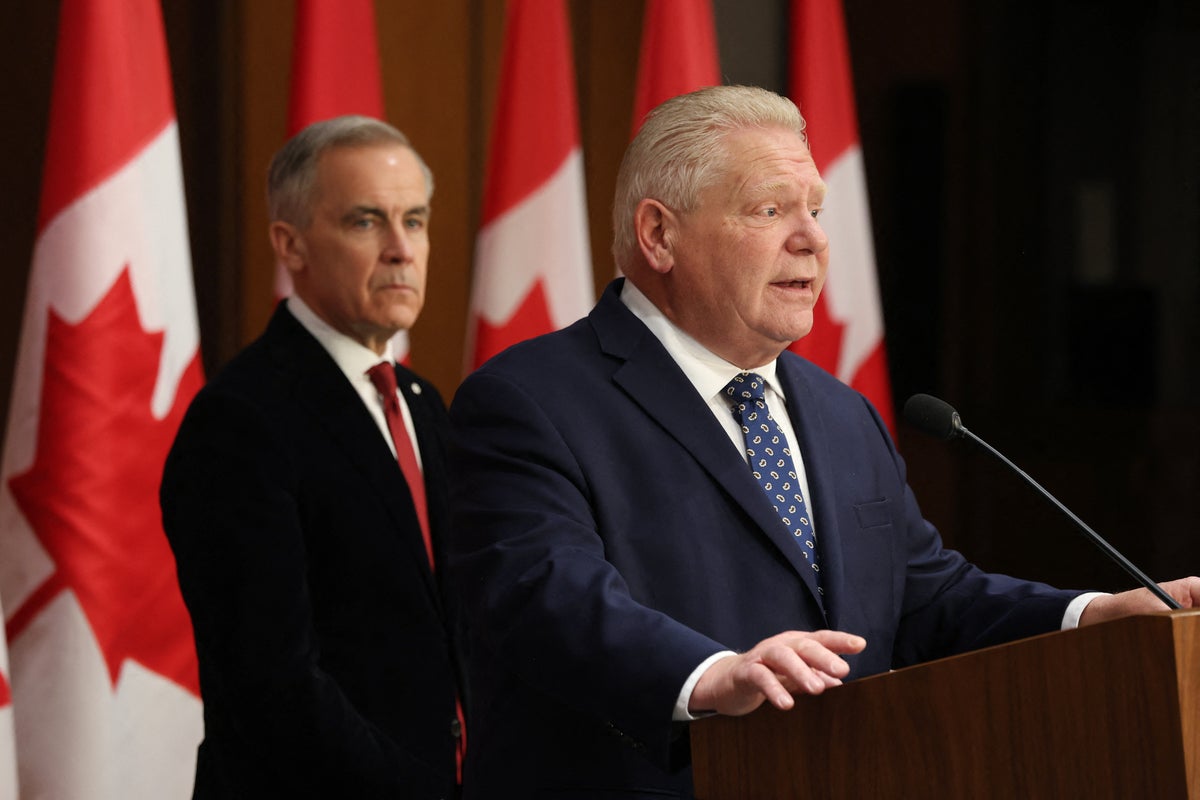
At a Monday press conference, Premier Ford referred to President Trump as a "bully" and a "dictator" after the president posted on Truth Social calling Ford a "flunky." Ford argued that the tariffs would negatively impact the U.S. economy and urged American voters to oppose the president's allies in upcoming midterm elections. Meanwhile, President Trump defended the trade policy, stating the U.S. would no longer "carry" Canada and encouraged companies to build in the U.S. to avoid the taxes.
The impact is scheduled to expand significantly on January 1, 2027, when the U.S. plans to implement a 50 percent tariff on all Canadian-made cars, trucks, automotive parts, and steel. This affects a critical supply chain for workers in states like Michigan, Ohio, Kentucky, and Alabama. Prime Minister Carney noted that Canada is the largest foreign buyer of U.S. automobiles, suggesting that retaliatory measures could disrupt demand for American-made vehicles and jeopardize jobs in the U.S. automotive sector.
Retaliatory actions from the Canadian government are set to begin on September 8, creating a cycle of "dollar for dollar" levies that could further increase the cost of doing business across the border. While a February Pew Research Center survey found that 60 percent of Americans disapprove of these tariff increases, the U.S. administration is using them as leverage to encourage domestic manufacturing. The immediate result for citizens in both nations is a period of increased economic uncertainty and rising costs for essential consumer and industrial goods.