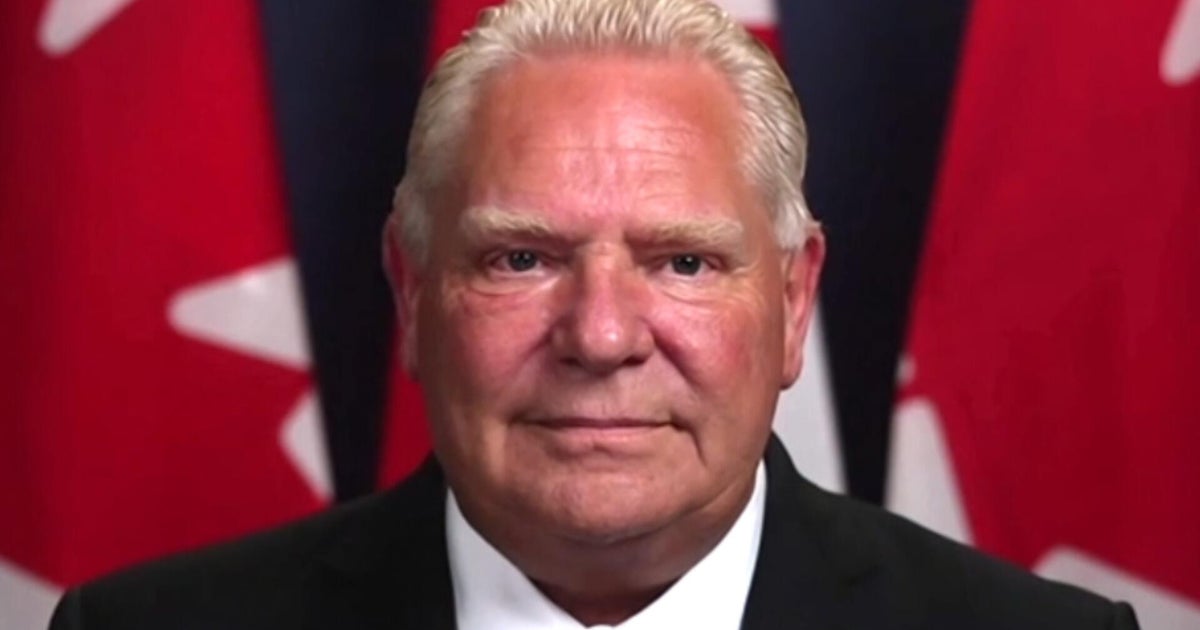
Ontario Premier Doug Ford stated he remains hopeful for a trade agreement between Canada and the United States despite escalating tensions and the implementation of significant tariffs. In an interview with CBS News, Ford compared the U.S. administration's current trade strategy to its treatment of China, while emphasizing the historical alliance between the two North American nations. The comments follow the collapse of trade negotiations last week, which resulted in the U.S. moving forward with 50% tariffs on approximately $20 billion worth of Canadian goods.
The trade dispute stems from a breakdown in talks where both sides accused the other of changing terms at the last minute. U.S. officials claimed Canadian negotiators introduced new demands regarding tariff relief for heavy trucks, while Ford alleged that Washington repeatedly "changed the goalposts" during the process. President Trump has defended the U.S. position, citing what he characterized as unfair trade practices and threatening additional tariffs on Canadian steel and automotive imports starting next year.
In response to the U.S. measures, Canadian Prime Minister Mark Carney announced that Canada will impose its own 50% tariffs on selected U.S. imports effective Sept. 8. The disagreement has also involved personal exchanges, with the U.S. president describing Ford as "unimpressive" and suggesting a name change for Lake Ontario to "Lake America." Ford characterized the tariffs as an "unprovoked attack" but noted that he is open to a "fair deal" that would allow the continued export of Canadian energy and raw materials to the U.S.
In the long term, the dispute threatens the stability of the U.S.-Canada economic relationship, which involves billions in annual trade. If the conflict persists, Ford suggested Ontario might consider surcharges on electricity exported to the U.S., which could lead to higher utility bills for American consumers in regions dependent on Canadian power. Additionally, the Canadian government has pledged aid to its domestic businesses and workers to offset the impact, a move Ford claims is supported by Canada’s relative financial stability compared to the $40 trillion U.S. national debt.
What happens next depends on the scheduled implementation of retaliatory measures and potential further escalations. Canada’s "dollar for dollar" 50% tariffs on U.S. goods are set to begin on Sept. 8. Furthermore, the U.S. has threatened to expand tariffs to the automotive and steel sectors starting in the new year. While Ford expressed a preference for a deal, he maintained that "no deal is better than a bad deal," suggesting that negotiations may remain stalled unless one side alters its demands regarding heavy trucks or other disputed sectors.