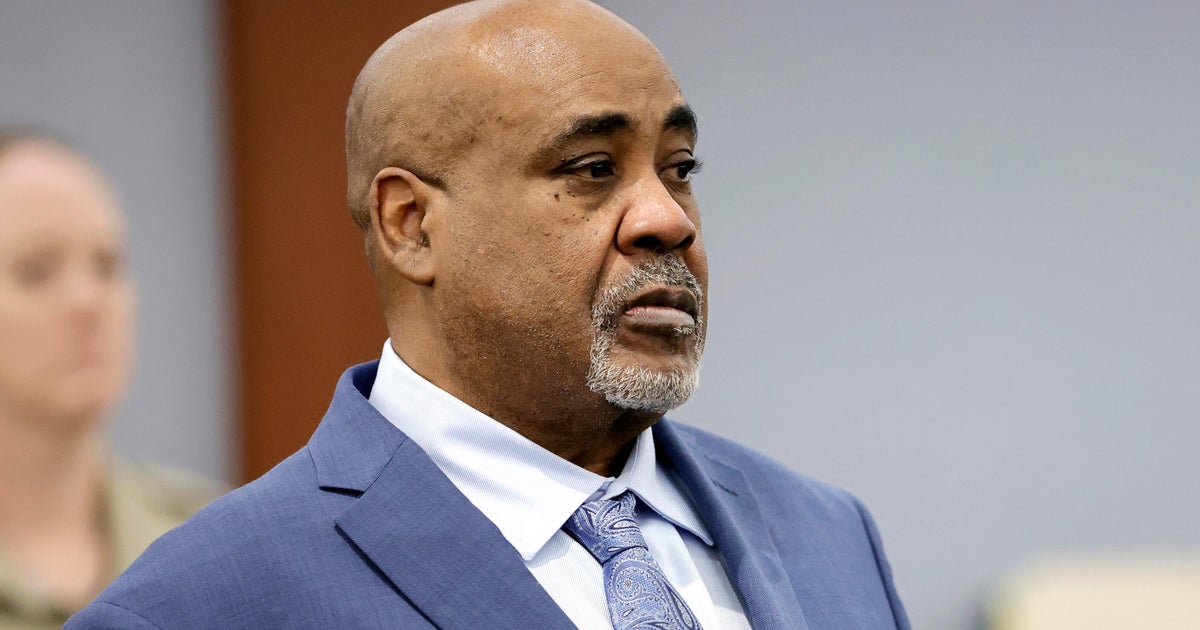
Opening statements began Monday in the trial of Duane "Keffe D" Davis, who is accused of orchestrating the 1996 killing of rapper Tupac Shakur. Davis, 63, has pleaded not guilty to murder with a deadly weapon with the intent to promote, further, or assist a criminal gang. Prosecutors allege Davis planned the drive-by shooting in Las Vegas as an act of retaliation following a physical altercation between Shakur's entourage and Davis' nephew earlier that evening.
The case centers on events that occurred on September 7, 1996. Chief Deputy District Attorney Binu Palal told the jury that video evidence shows Shakur participating in the beating of Orlando Anderson, Davis' nephew, at a Mike Tyson boxing match. Approximately two and a half hours later, Shakur was shot while traveling in a vehicle. The prosecution stated that while Davis did not fire the weapon, he provided the gun to an individual in the back seat of a white Cadillac and ordered the shooting.
Defense attorney Michael Sanft argued that the prosecution lacks corroborating evidence and questioned why charges were not brought decades ago. The defense maintains that statements Davis made in a 2019 book, "Compton Street Legend," and in various media interviews were sensationalized or fictionalized for financial gain. Sanft suggested that Davis' previous claims of involvement were not truthful, citing a recent interview where Davis denied being present at the scene of the shooting.
The scale of the trial involves a significant testimonial phase, with prosecutors planning to call between 35 and 45 witnesses, while the defense intends to call a smaller number of individuals. The evidence includes statements Davis made in his 2019 book and during 2008 interviews with investigators. At that time, Davis was under an agreement that his statements could not be used against him, but prosecutors argue his subsequent public admissions and book publication waived those protections and provided the basis for the current charges.
For the public and the hip-hop community, the trial addresses a case involving a cultural figure who was inducted into the Rock & Roll Hall of Fame in 2017 and received a star on the Hollywood Walk of Fame. The outcome will determine whether the state of Nevada can prove a direct link between the 1996 gang-related altercation and the shooting that led to Shakur's death at age 25. The trial is expected to last several weeks in Clark County District Court, with testimony continuing through the remainder of the month.
What happens next: The trial will proceed with witness testimony in the coming weeks. The jury will eventually deliberate on the murder charge and the sentencing enhancement related to criminal gang activity. A specific date for a verdict has not been established, but the court expects the presentation of evidence from both the prosecution and defense to span several weeks. Davis remains in custody pending the conclusion of the proceedings.