The Plain Record

Neutral daily news — clear headlines, complete facts.

National

Pakistan Medical Practices Linked to Pediatric HIV Cases

Families in Pakistan allege that the reuse of medical syringes led to a rise in pediatric HIV cases, supported by a study showing high infection rates among high-risk children.

Published September 21, 2026 at 8:00 PM EDT

The short answer

Families in Pakistan allege that the reuse of medical syringes led to a rise in pediatric HIV cases, supported by a study showing high infection rates among high-risk children.

Pakistan Medical Practices Linked to Pediatric HIV Cases

The Facts

Who
Pediatric patients, their parents, and hospital staff at facilities including Children’s Hospital Sukkur and Kulsum Bai Valika Hospital.
What
Reports of pediatric HIV transmission linked to the reuse of medical syringes and unsafe injection practices.
When
Reports published September 22, 2026; study data collected late 2024.
Where
Sindh and Balochistan provinces, Pakistan.
Why
To report on the rise of HIV among children who do not have HIV-positive parents, pointing to contaminated medical equipment as the transmission route.

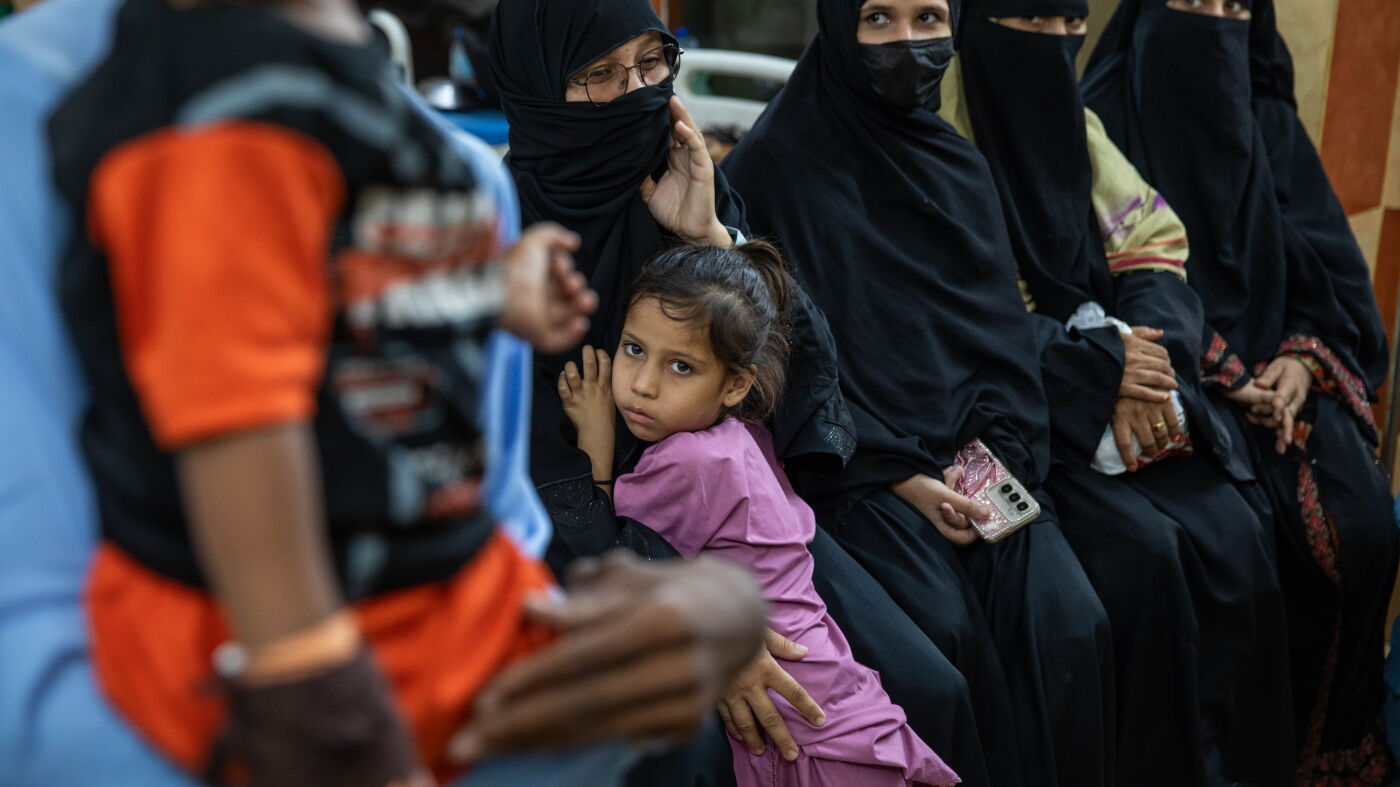
In Pakistan, dozens of parents report that their children contracted HIV following routine medical care at local hospitals. At least six children have died following the infections, according to reports from September 22, 2026. Families allege that hospital staff spread the virus through the reuse of syringes and needles for intravenous drips and injections.

The reports follow a history of similar outbreaks in the region, most notably a 2019 event in Larkana where more than 700 children were diagnosed with HIV. Health officials at the time attributed that outbreak to unsafe injection practices, syringe reuse, and inadequate regulation of healthcare providers. A retrospective study conducted at Children’s Hospital Sukkur between September 1 and December 31, 2024, found that 9.6% of 125 high-risk children screened tested positive for the virus.

According to the Sukkur study, 50% of the HIV-positive children had a history of unsafe injection practices, while 41.7% had received blood transfusions. Notably, none of the HIV-positive children in the study had parents who tested positive for the virus, which researchers said suggests horizontal transmission rather than mother-to-child transmission. The study also noted that 66.6% of these patients were diagnosed at Stage III of the illness.

A person affected by this trend would notice the impact primarily through the health of their child, including symptoms like failure to thrive, chronic diarrhea, and unexplained weight loss. Because many children are not diagnosed until advanced stages of the virus, families face the risk of early mortality; the Sukkur study recorded a mortality rate of approximately 16.7% among the positive cohort. The day-to-day reality for these families involves managing a medical regimen in areas where the study authors noted a lack of advanced diagnostic facilities, such as PCR testing and CD4 counts.

The knock-on effects include a growing strain on the provincial healthcare systems of Sindh and Balochistan and a potential decline in public trust in medical institutions. This lack of trust could affect other health initiatives, as seen in the Sukkur study where only 33.3% of the HIV-positive children were fully vaccinated against other preventable diseases. The situation sets a precedent for calls by researchers for stricter regulation of healthcare services and improved infection control. The findings emphasize a need for expanded screening beyond children of HIV-positive mothers to include all children with histories of repeated injections or blood transfusions.

Timeline of what happened

Key dates and decisions, in the order they occurred.

  1. 2019

    Larkana outbreak leads to over 700 pediatric HIV diagnoses

  2. September 1, 2024

    Sukkur hospital begins retrospective study of high-risk children

  3. December 31, 2024

    Data collection for Sukkur pediatric HIV study concludes

  4. April 15, 2025

    Study manuscript received for official publication

  5. June 13, 2025

    Study manuscript accepted for publication

  6. September 22, 2026

    NPR reports on rise of child HIV cases linked to hospital practices

Summaries are written by The Plain Record to state the facts of a story plainly and without political slant. Drafted with AI assistance and checked against the source record before publication. See how we report, or report a correction.

← Back to the front page

Questions readers ask

What happened: Pakistan Medical Practices Linked to Pediatric HIV Cases?

Reports of pediatric HIV transmission linked to the reuse of medical syringes and unsafe injection practices.

Who is involved?

Pediatric patients, their parents, and hospital staff at facilities including Children’s Hospital Sukkur and Kulsum Bai Valika Hospital.

When did this happen?

Reports published September 22, 2026; study data collected late 2024.

Where did this happen?

Sindh and Balochistan provinces, Pakistan.

Why does this matter?

To report on the rise of HIV among children who do not have HIV-positive parents, pointing to contaminated medical equipment as the transmission route.