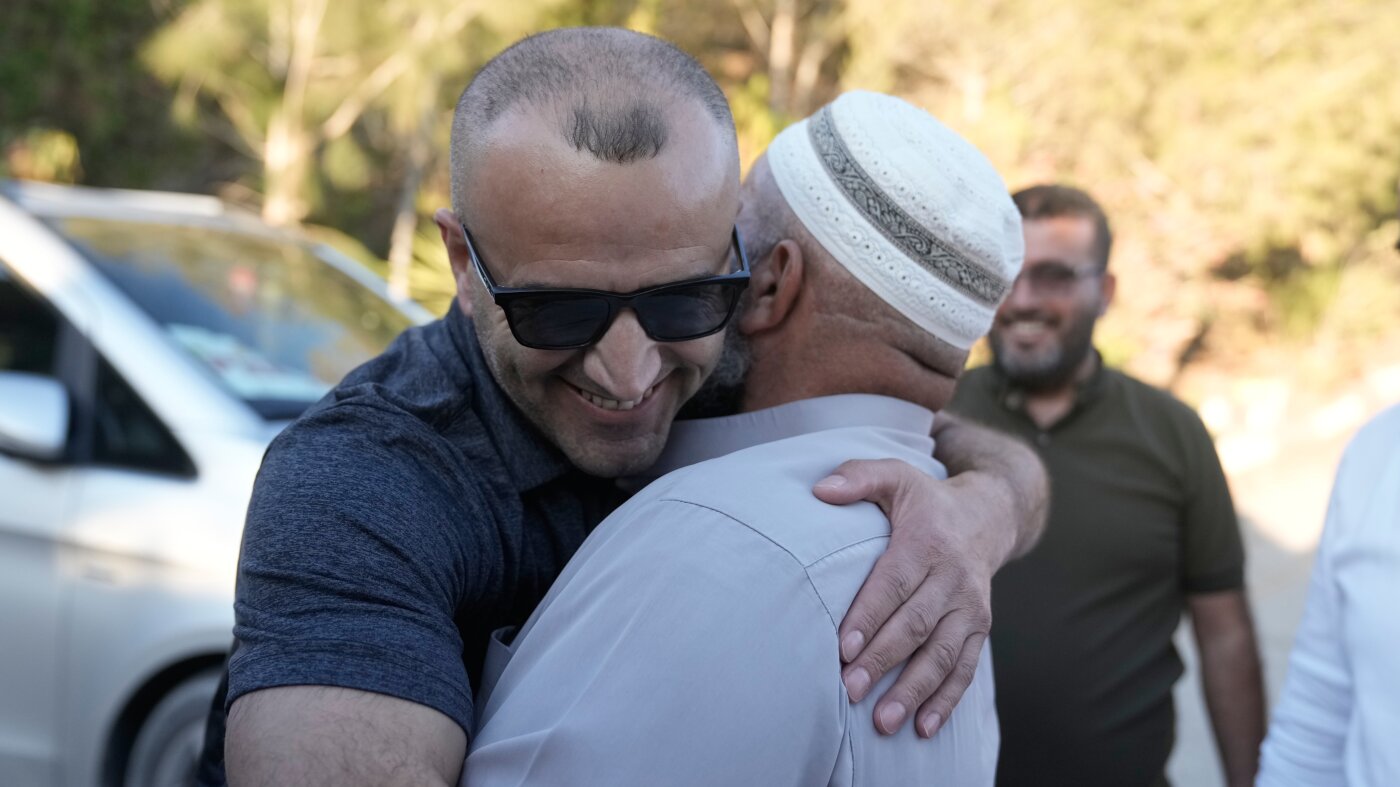
Loui Ridi, an Ohio-based Palestinian American, returned to his home in the West Bank village of Qusra on Monday to join family members who have spent over a week defending the property from a siege by Israeli settlers. Ridi, who had been monitoring the situation through his home security cameras from the United States, traveled to the property after groups of settlers surrounded several houses in the village and prevented residents from leaving.
The standoff in Qusra follows a period of increased activity in the West Bank. According to Palestinian health officials, Israeli soldiers and settlers have killed 87 Palestinians so far this year, while Palestinians have killed three Israelis, including two during clashes in the village of Tell last month. Ridi's brother, Qusai Abu Rida, and his teenage son remained inside the house to protect it while the siege continued.
Upon his arrival at Israel's international airport, Ridi stated he could not allow his home to be taken while he watched from abroad. By Monday evening, he had reunited with family members in Qusra while waiting for an Israeli military escort to his specific property. Although the Israeli military has declared the neighborhood a closed military zone, Ridi reported that video footage taken by his brother on Monday showed settlers still operating ATVs near the area and interacting with soldiers.
The scale of the conflict involves significant casualties on both sides within the current year. With 87 Palestinians and three Israelis reported killed in 2026, the violence has reached a level that has drawn formal condemnation from the United States government. For families like Ridi’s, the impact is a total disruption of domestic life and security, as they must rely on home surveillance and physical presence to prevent the loss of their primary assets.
The incident sets a precedent regarding the role of the Israeli military in managing civilian disputes in the West Bank. While the military stated its presence is intended to maintain order and has designated the area a closed zone, Ridi’s account of soldiers interacting with settlers suggests a complex enforcement environment that may influence future U.S. diplomatic pressure on Israel. The next steps involve the continued military presence in the closed zone and the potential for further diplomatic developments as the U.S. has already issued a condemnation of the siege.