The Plain Record

Neutral daily news — clear headlines, complete facts.

Business

Panama Canal Authority to Reduce Daily Ship Transits Due to Low Rainfall

The Panama Canal Authority will reduce daily vessel transits from 36 to 32 starting in September to conserve water during a period of low rainfall.

Published August 21, 2026 at 2:46 AM EDT

The short answer

The Panama Canal Authority will reduce daily vessel transits from 36 to 32 starting in September to conserve water during a period of low rainfall.

Panama Canal Authority to Reduce Daily Ship Transits Due to Low Rainfall

The Facts

Who
Panama Canal Authority (ACP) and global shipping companies.
What
Reduction of daily ship transits in the Panama Canal.
When
Announced Thursday, with changes starting 3 September and 15 September.
Where
Panama Canal, Panama.
Why
To preserve water resources and ensure service reliability during low rainfall caused by the El Niño weather pattern.

Timeline of what happened

Key dates and decisions, in the order they occurred.

  1. 2023

    ACP reduces vessel transits during previous El Niño period

  2. June 26, 2026

    Event marks 10th anniversary of expanded canal inauguration

  3. August 20, 2026

    ACP notifies shipping firms of upcoming transit reductions

  4. September 3, 2026

    Phased implementation of new measures begins

  5. September 15, 2026

    Daily transit limit officially reduced to 32 vessels

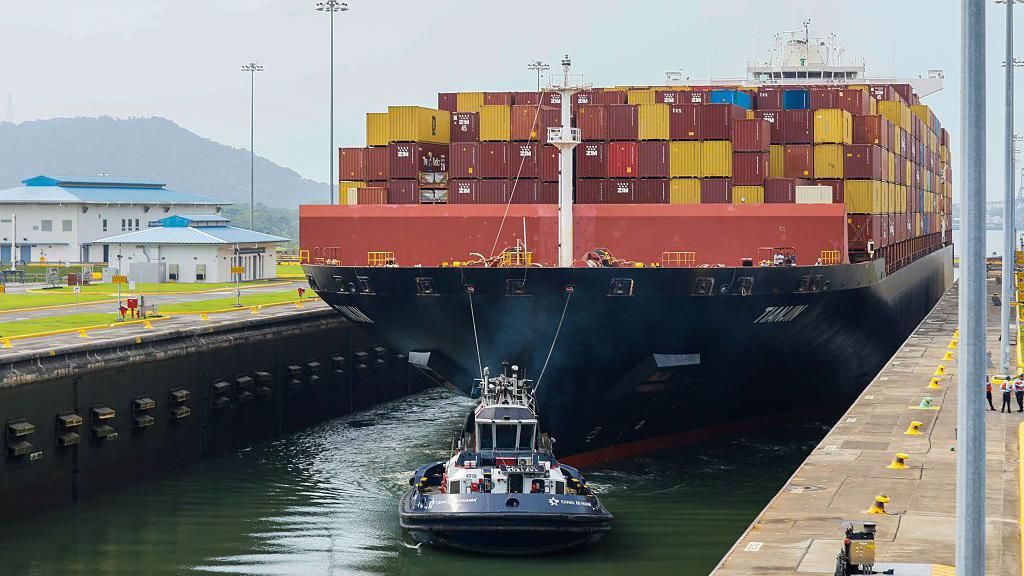
The Panama Canal Authority (ACP) announced on Thursday that it will reduce the number of vessels permitted to pass through the waterway daily. Starting in early September, the authority will limit transits to 32 ships per day, a decrease from the current limit of 36. The agency attributed the decision to low rainfall levels linked to the El Niño weather pattern.

The Panama Canal is an artificial waterway that connects the Atlantic and Pacific oceans, serving as a primary route for global trade. It typically operates 24 hours a day and facilitates approximately 14,000 ship transits annually. The current reduction follows a similar action taken by the ACP in 2023, when Panama experienced its driest October since record-keeping began in 1950.

The ACP stated that the new measures are intended to maintain service reliability and protect water supplies for human consumption. While the rainy season has arrived in Central America and the authority has already implemented water-saving protocols, the agency reported that additional steps were necessary to ensure the "long-term sustainability of transit operations." The scheduled changes will begin a phased implementation on 3 September.

For the nation of Panama, the canal is a primary economic driver that generates approximately $3 billion in annual income. A sustained decrease in transit capacity could affect these revenue streams. Businesses and consumers may see indirect effects if shipping delays or rerouting lead to changes in the cost or availability of goods, as forecasts suggest this year's El Niño could be among the strongest recorded, impacting food supplies and broader economies.

The new transit limits will begin to take effect on 3 September, with the full reduction to 32 ships per day scheduled for 15 September. The ACP has not stated how long these restrictions will remain in place, but indicated they are tied to managing water resources during the current El Niño cycle. The authority continues to monitor weather patterns and water levels to determine if further adjustments to transit capacity will be required.

Summaries are written by The Plain Record to state the facts of a story plainly and without political slant. See our editorial standards, or report a correction.

← Back to the front page

Questions readers ask

What happened: Panama Canal Authority to Reduce Daily Ship Transits Due to Low Rainfall?

The Panama Canal Authority (ACP) announced on Thursday that it will reduce the number of vessels permitted to pass through the waterway daily. Starting in early September, the authority will limit transits to 32 ships per day, a decrease from the current limit of 36.

Who is involved?

Panama Canal Authority (ACP) and global shipping companies.

When did this happen?

Announced Thursday, with changes starting 3 September and 15 September.

Where did this happen?

Panama Canal, Panama.

Why does this matter?

To preserve water resources and ensure service reliability during low rainfall caused by the El Niño weather pattern.