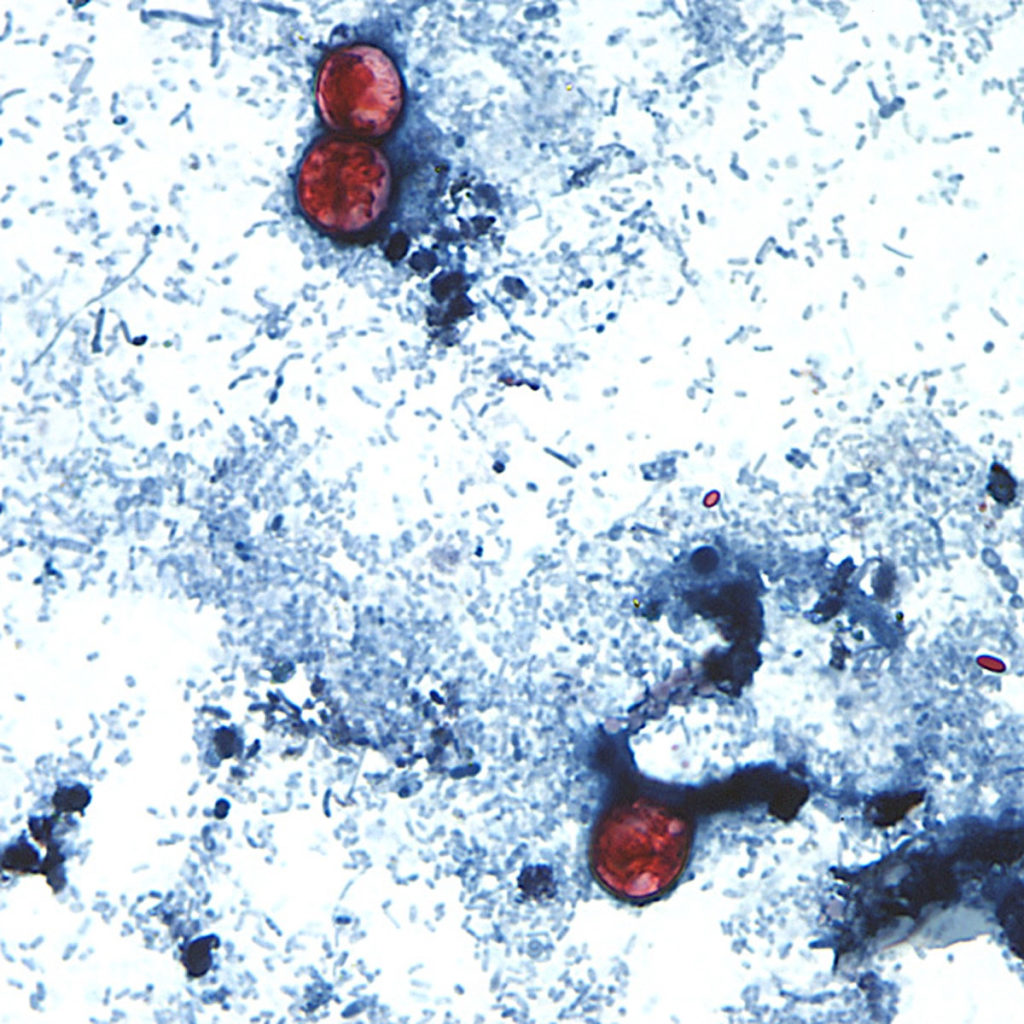
Health officials reported that 31 states are currently experiencing an outbreak of cyclosporiasis, a parasitic intestinal illness. According to the Centers for Disease Control and Prevention (CDC) and state health departments, approximately 4,000 cases have been recorded this summer. Michigan has reported the highest concentration of illnesses, with more than 2,600 cases and at least 44 hospitalizations.
The illness is caused by the Cyclospora parasite, which is typically transmitted through contaminated food or water, particularly fresh produce such as lettuce, herbs, and berries. Dr. Omer Awan of the University of Maryland School of Medicine stated that the disease is characterized by prolonged symptoms, including nausea and watery diarrhea that can last for weeks or months. The incubation period for the parasite lasts between two and 14 days, which officials noted makes identifying specific food sources difficult.
Public health experts have noted challenges in tracking the current outbreak. As of July 2025, the CDC moved reporting for cyclosporiasis to an optional status for its surveillance network. Additionally, personnel reductions at the federal level have affected the tracking of foodborne pathogens. Currently, federal case counts remain lower than the cumulative totals reported by individual state health departments.