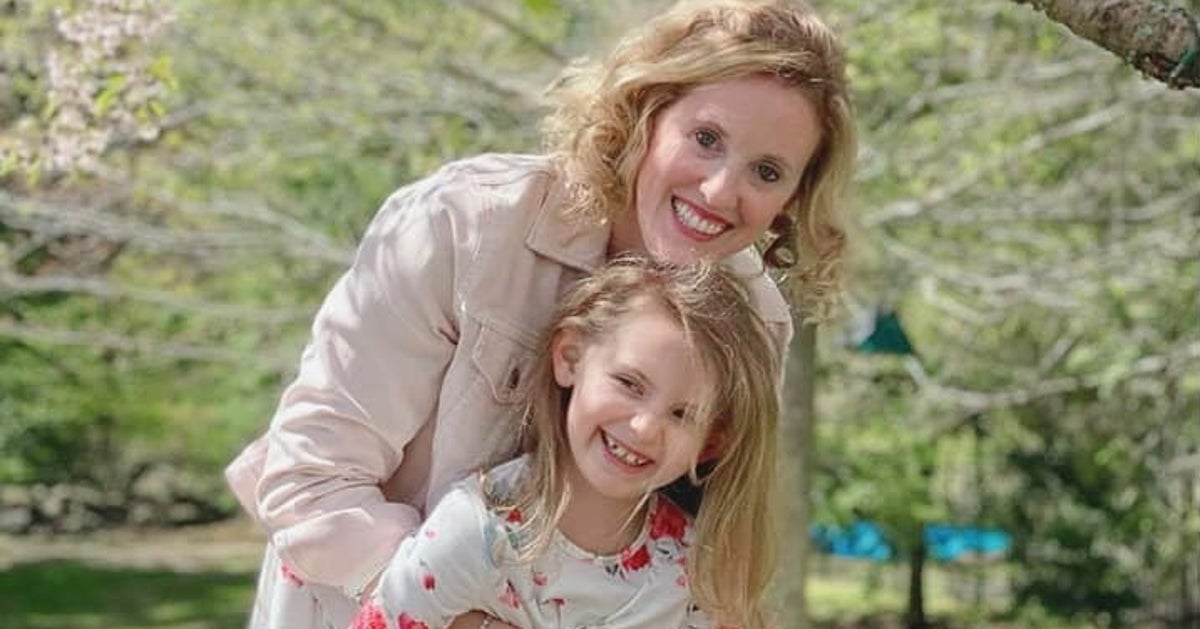
An 8-year-old girl’s statements during a mental health crisis in January 2022 led her mother to change her approach to parenting and child anxiety. Amanda Bacon-Davis, a mental health advocate and author, reported that her daughter expressed a desire to die while physically resisting attending school. The event followed years of behavioral outbursts that the family initially treated as willful misbehavior.
The child’s history included four years of school refusal and intense reactions to transitions, such as moving from playtime to bedtime. According to Bacon-Davis, professional advice at the time suggested that parents must get children into the school building regardless of their resistance to prevent a permanent refusal to attend. During these episodes, the child exhibited physical behaviors including kicking, biting, hitting, and self-harm, such as punching herself and slamming her head into walls.
Following the January 2022 incident, a mobile crisis team assisted the family in a school parking lot for two hours. The clinicians identified the behavior as likely caused by serious anxiety. While emergency room staff later suggested committing the child to a mental health facility, Bacon-Davis declined, believing that the root of the anxiety was separation and transitions and that committing her was not in her best interest. Instead, the family worked with a psychiatrist to begin a mood stabilizer regimen and coordinated with school staff.
On a broader scale, the incident underscores the role of mobile crisis centers, which provide on-site mental health stabilization as an alternative to immediate hospitalization. These services provide specialized clinicians who can spend hours regulating a child's emotions in the field. For the child in this report, the change in treatment resulted in a transition from daily physical combat to being able to manage school and home schedules through medication and regulated communication.
The experience emphasizes the importance of identifying specific triggers, such as "separation and transitions," which can be misinterpreted as simple disobedience. By documenting the recovery process, Bacon-Davis suggests that early intervention and tailored psychiatric care can restore a child’s ability to function in a school environment. The daughter now manages transitions through a plan involving her parents, school staff, and mental health professionals.
Bacon-Davis has since published a children’s book to assist other families in identifying and normalizing childhood anxiety. The daughter continues to work with a psychiatrist and school staff to manage her condition through a combination of mood stabilizers and behavioral strategies. No specific upcoming court dates or deadlines were reported regarding the family's previous litigation.