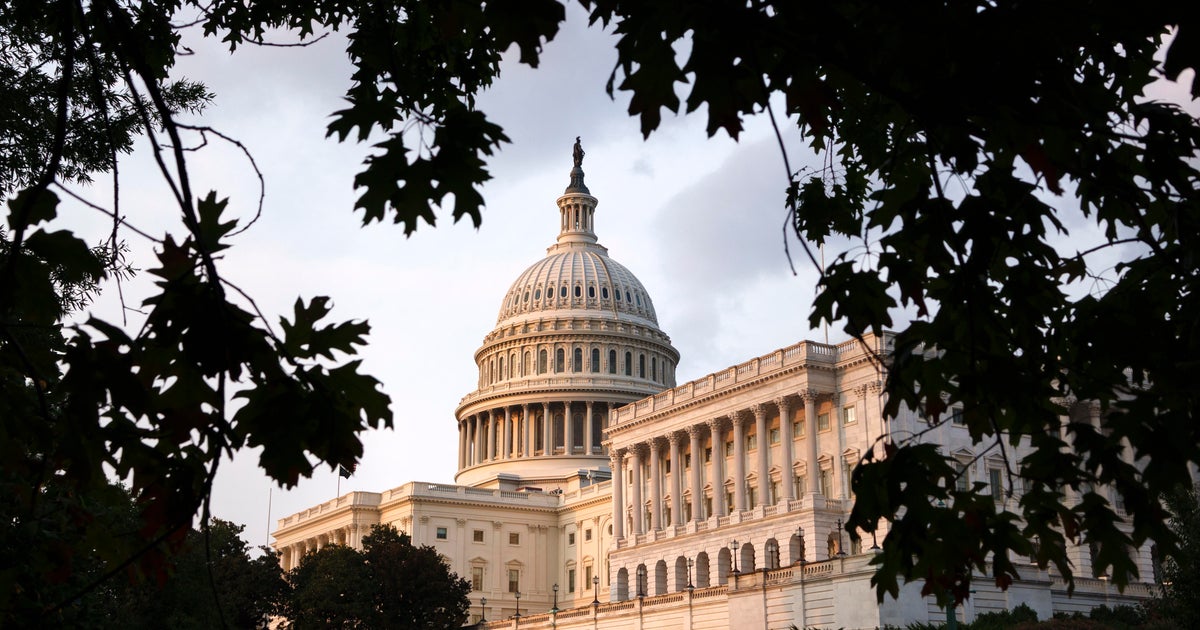
Democrats and Republicans are focusing on a select number of congressional contests as they compete for control of the House and Senate in this fall’s midterm elections. CBS News has identified nine Senate seats and 42 House races as key battlegrounds that will likely determine which party holds the majority. Republicans currently hold majorities in both chambers, with a 53-47 lead in the Senate and a narrow 218-214 margin in the House, which also includes one independent who caucuses with the GOP and two vacancies.
The political landscape for the 2026 cycle is shaped by voter concerns regarding the Iran war, cost-of-living pressures, and tariff policies. In the Senate, Republicans are defending 22 seats, many in states won by Donald Trump in 2024. Democrats, meanwhile, are seeking a net gain of four seats to retake the majority while defending their own vulnerable incumbents. Key open-seat contests have emerged in states like Michigan and North Carolina due to the retirements of Senators Gary Peters and Thom Tillis, and in Iowa where Sen. Joni Ernst decided not to seek reelection.
In the House, all 435 seats are up for election, with 218 required for a majority. Several races feature rematches from the 2024 cycle, including Washington’s 3rd District where Rep. Marie Gluesenkamp Perez (D) faces John Braun, and New York’s 4th District where Rep. Laura Gillen (D) is challenged by Jeanine Driscoll. Redistricting in states such as New York, California, Florida, and Ohio has altered district boundaries, leading some incumbents to switch districts or face new electorate demographics.
For residents in the 42 targeted House districts and nine Senate battleground states, the high-stakes nature of these races typically results in increased political advertising and campaign spending. In Texas, where Attorney General Ken Paxton (R) faces state Rep. James Talarico (D) for a Senate seat, both parties acknowledge the contest will be exceptionally expensive. Voters in newly redrawn districts, such as Ohio’s 9th, will notice changes to their representative options and ballot compositions compared to previous cycles.
Individual candidates face unique personal and professional pressures that could influence voter turnout and local policy debates. In New Jersey's 7th District, Rep. Tom Kean Jr. (R) is defending his seat following a public disclosure of his treatment for depression, while in North Carolina's 11th District, GOP Rep. Chuck Edwards dropped his bid following an ethics investigation. The elections are scheduled for this fall, with analysts noting the "toss-up" status of several races as the campaign enters its final 60 days. Following the November vote, the newly elected Congress will be seated in January to begin the new session.