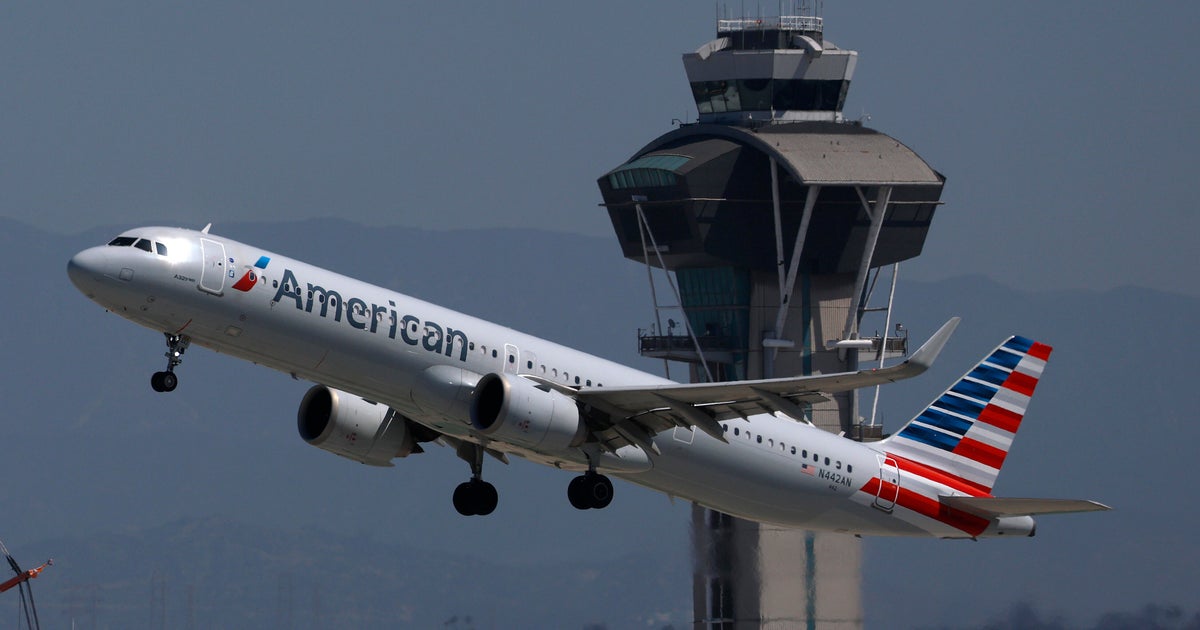
An American Airlines flight from Atlanta landed at Dallas Fort Worth International Airport on a Friday following reports of a fire involving a passenger's laptop. According to air traffic control audio, the pilot informed controllers that flight attendants worked to extinguish the flames while the aircraft was in flight. The pilot stated that the device was eventually contained in the middle of the aircraft.
The incident occurred on Flight 2398, which was carrying 133 people at the time. American Airlines confirmed in a statement that smoke originated from a customer's device during the landing process. The carrier reported that the crew responded to contain the device and expressed gratitude for their performance during the event.
While the pilot initially reported via audio that four to five passengers may have been burned by the laptop, Dallas Fort Worth International Airport officials stated that only one passenger was treated and subsequently released. The Federal Aviation Administration (FAA) tracks such events, noting that lithium batteries can overheat through a process called "thermal runaway," which may be caused by damage, water exposure, or improper packing.
For the passengers involved, the immediate impact was a potential for injury and the activation of emergency protocols during what is typically the most critical phase of flight: the landing. A person experiencing a similar event would notice flight attendants using fire suppression equipment in the cabin and would likely see emergency medical personnel meeting the aircraft upon arrival. In this case, one individual required medical attention, though the specific nature of the treatment or the severity of the burns was not detailed by airport officials beyond their release from care.
The event sets a precedent for ongoing safety discussions regarding lithium-ion batteries in passenger cabins. This follows a similar incident in February where an Alaska Airlines flight was forced to return to Seattle after a power bank caught fire. The FAA maintains specific size limits for these batteries to prevent such fires from escalating. Moving forward, the FAA will review the details of Flight 2398 as part of its hazardous materials oversight. No specific hearing dates or regulatory changes have been announced following this event.