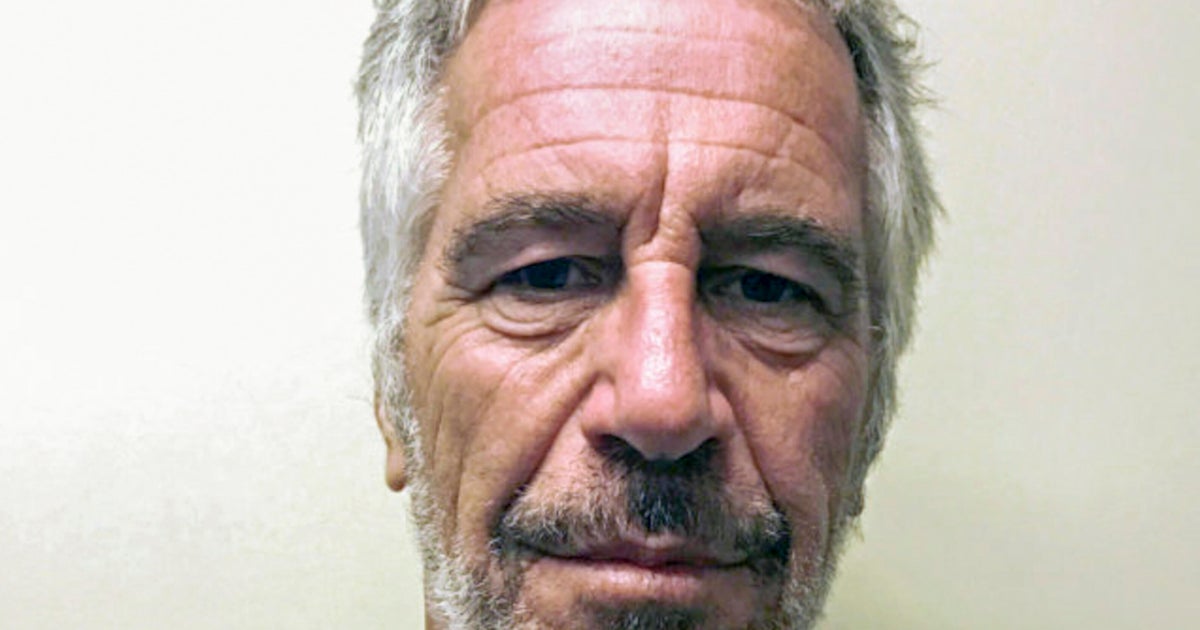
A forensic pathologist announced plans to present research that questions the official determination of Jeffrey Epstein’s death as a suicide. Dr. Michael Freeman, an editor-in-chief of the Journal of Forensic and Legal Medicine, intends to release his findings and the New York City Medical Examiner’s full autopsy files following a presentation at University College London on Nov. 16.
The New York City Medical Examiner originally ruled that Epstein died by suicide by hanging in August 2019 while awaiting trial on federal sex trafficking charges. Subsequent reviews by the Department of Justice inspector general and the FBI found no evidence to contradict that determination. However, the investigation has faced scrutiny due to reported security failures at the Metropolitan Correctional Center, including malfunctioning cameras, guards falling asleep, and falsified prison records.
Freeman’s review, which includes a biomechanical analysis of the ligature pattern, reportedly highlights injuries that Freeman claims were not accounted for by the medical examiner. Mark Epstein, Jeffrey’s brother, provided the autopsy files to Freeman and stated that the new analysis bolsters his belief that the death requires a deeper investigation. Mark Epstein previously hired pathologist Dr. Michael Baden, who noted that three broken bones in Jeffrey’s neck were more consistent with homicidal strangulation than hanging.
The planned presentation follows the 2025 passage of the Epstein Files Transparency Act, which mandated the Department of Justice to release investigative records related to Epstein. Earlier this year, a U.S. district judge released a note found in Epstein's cell from a previous incident, which included the phrases "time to say goodbye" and "No fun — not worth it!!" While some consider this a suicide note, Mark Epstein has questioned its authenticity and relevance to the day of death.
The scale of this matter involves the Department of Justice's "voluminous" investigative records and the New York City Medical Examiner’s complete autopsy file, which contains details not yet made public. While the financial cost of this independent review was not reported, the underlying case involved a multi-year federal prosecution and a 2023 inspector general review that addressed systemic failures within the Bureau of Prisons, which manages approximately 158,000 federal inmates.
A person following this case will notice a potential challenge to the official government narrative regarding a high-profile death in federal custody. The findings may influence future legal filings or congressional inquiries into prison safety and oversight. Following the Nov. 16 presentation, Freeman plans to publish the research and the full autopsy files, which will allow independent experts to verify or dispute the biomechanical analysis of the injuries. The next scheduled step is the University College London lecture on Nov. 16.