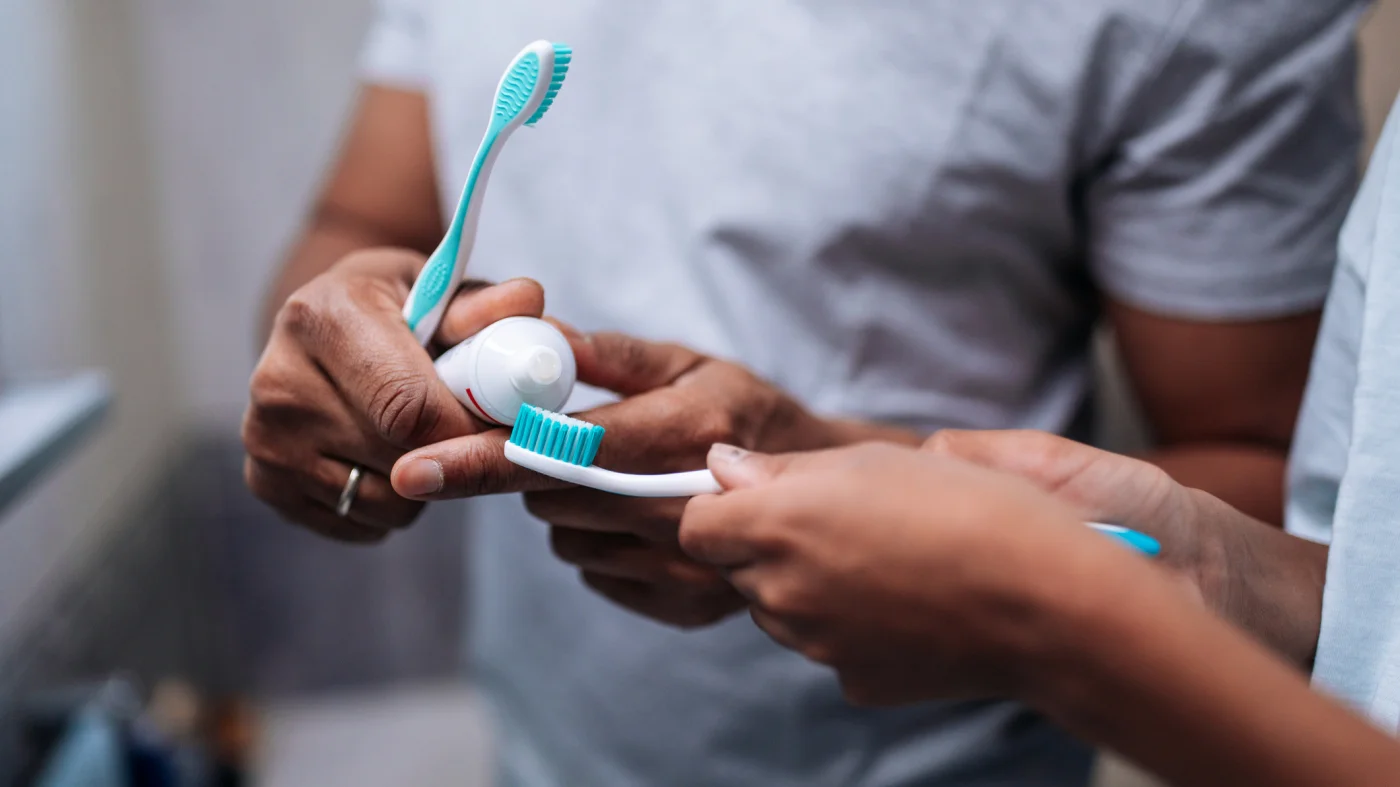
Health professionals report a growing interest among patients in fluoride-free toothpastes, particularly those containing a mineral called hydroxyapatite. Dr. Jin-Ho Phark of the University of Southern California and Dr. Bennett Amaechi of the University of Texas at San Antonio noted that social media influencers and public discussions regarding fluoride safety have contributed to this shift. While traditional fluoride products have been the standard since the late 1950s, hydroxyapatite is being marketed as a way to remineralize teeth using a substance chemically similar to natural tooth enamel.
The debate over fluoride has been influenced by public figures like Health Secretary Robert F. Kennedy Jr., who has associated water fluoridation with health issues such as bone fractures and IQ loss. However, the Centers for Disease Control and Prevention (CDC) maintains that fluoride in water reduces cavities by 25% and considers fluoridation a major public health achievement. Dr. Amaechi stated there is no concrete evidence of fluoride harming children's IQ at the levels recommended for U.S. water supplies, noting that studies finding such links looked at levels more than twice the U.S. recommendation.
Research into hydroxyapatite suggests it may perform similarly to fluoride in preventing decay. A 2021 study involving 177 children over one year found that hydroxyapatite and fluoride toothpastes had similar outcomes, though the study received funding from the Dr. Wolff Group, a manufacturer of hydroxyapatite products. A separate 18-month trial of 171 healthy adults, published in 2023, found that 89% of hydroxyapatite users saw no increase in tooth damage compared to 87% of fluoride users. However, Dr. Livia Tenuta of the University of Michigan noted that many of these studies focused on participants with a low risk of tooth decay.
For a household of four, switching to fluoride-free alternatives could increase annual dental hygiene spending by dozens of dollars. Beyond cost, the day-to-day impact involves a change in how the teeth are protected; fluoride creates a chemical shield for enamel, while hydroxyapatite fills microscopic crevices. Dentists warn that those with high cavity risks—such as people with dry mouth, gum recession, or diets high in sugar—may face different health outcomes if they switch to products with less long-term clinical evidence.
The American Dental Association (ADA) continues to recommend fluoride toothpaste twice daily, stating that evidence for hydroxyapatite remains "limited and ambiguous." As of November 2, 2026, health experts like Dr. Tenuta and Dr. Amaechi maintain that fluoride has more extensive long-term research backing its efficacy. Future clinical trials focusing on high-risk populations will be necessary to determine if hydroxyapatite provides equivalent protection across all patient groups. Patients considering a switch are advised to consult their dentists to assess their specific cavity risk before changing their routine.