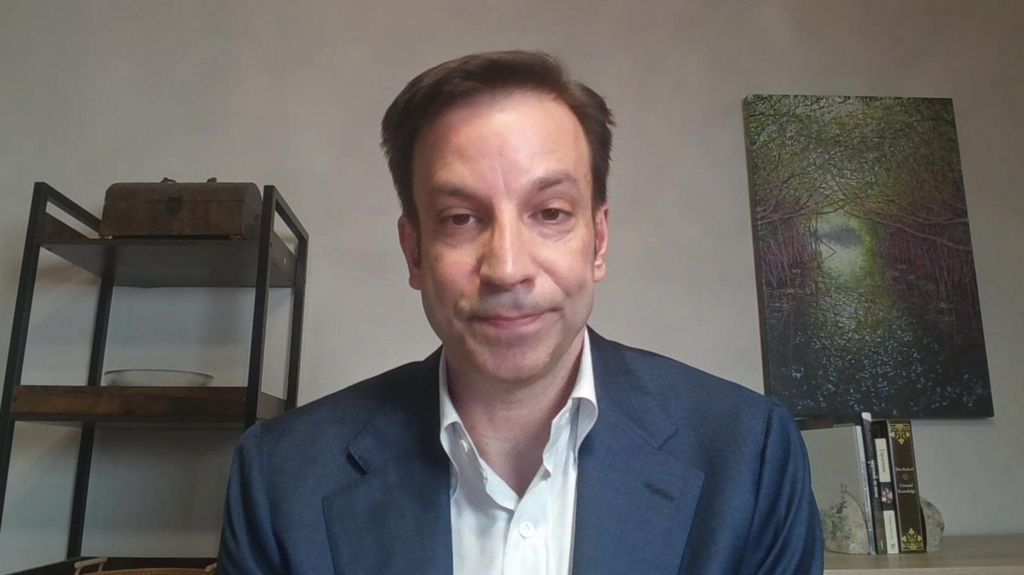
The U.S. Department of Defense (DoD) dismissed Erik Slavin, the editor-in-chief of the military newspaper Stars and Stripes, citing "insubordination." The move occurred alongside the dismissals of the paper’s Middle East reporter, Lara Korte, and publisher Max Lederer. While the Pentagon declined to comment on the matter to the BBC, Slavin stated he believes his firing was linked to comments he made during an interview regarding hypothetical censorship.
Stars and Stripes is a news organization that serves U.S. troops globally. Although it receives partial funding from the Pentagon, the outlet maintains editorial independence through a congressional mandate and Department of Defense regulations. The dismissals follow a period of documented tension between the Trump administration and various media organizations over access and reporting policies.
Slavin and Korte indicated that their terminations for insubordination were connected to an interview they gave to CBS's Sunday Morning in July 2026. In that interview, Slavin stated that "in a hypothetical situation, censorship would be a red line." Publisher Max Lederer had announced his retirement on Tuesday, noting that his view of the paper’s mission differed fundamentally from the Pentagon’s plans. Slavin, a 21-year veteran of the paper, noted he has not received a detailed official explanation and is currently unable to appeal the decision.
The scale of the impact involves the flow of information to over a million readers daily. The Pentagon has not held a press conference since May 2026, and this action follows a series of policy changes, including an October 2025 rule that attempted to bar journalists from the Pentagon unless they agreed to report only authorized information. A person serving in the military or a family member would notice these changes through potential shifts in the independence of the reporting they rely on for updates on deployments and mental health issues within the ranks.
These events set a precedent regarding the enforcement of "insubordination" clauses against journalists working for government-funded but editorially independent outlets. The knock-on effects could include increased scrutiny from Congress, which mandates the paper's independence, and potential legal challenges regarding First Amendment protections for the military press. While Slavin is considering his response, no specific court dates or official hearings have been scheduled at this time.