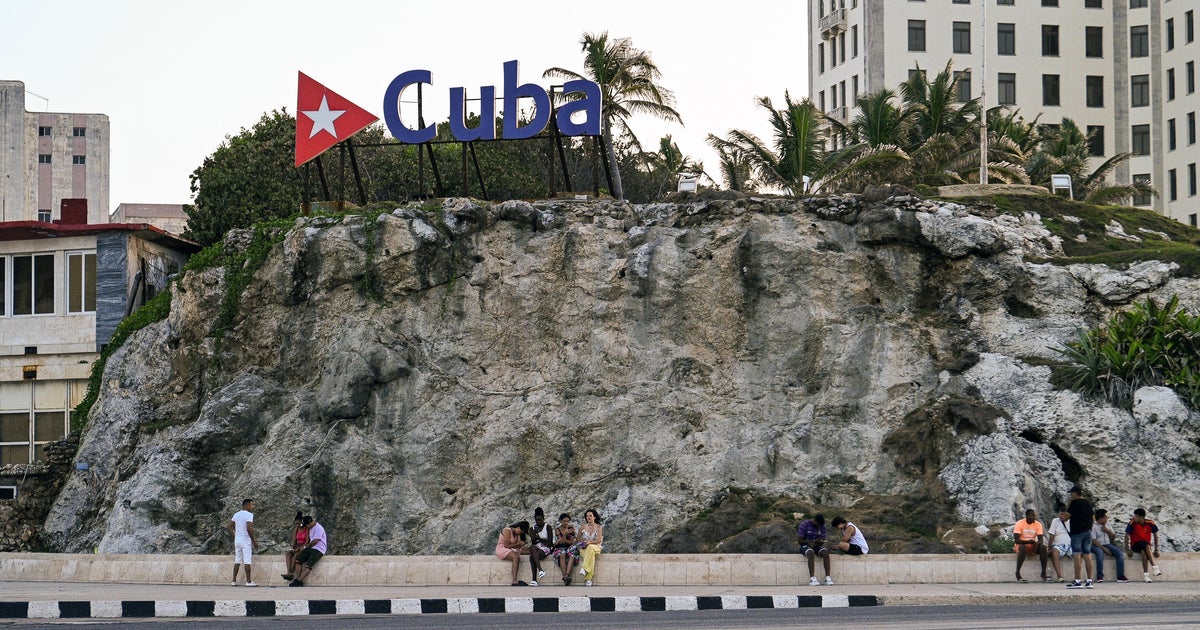
U.S. defense officials have reportedly reviewed early-stage military options regarding Cuba, including potential air assault scenarios involving the 101st Airborne Division. According to officials who spoke on the condition of anonymity, the Defense Department held a concept-of-operations briefing last month to discuss contingencies for the island. The officials noted that such briefings are standard procedure for regional contingencies and do not indicate that a final decision on military action has been made by President Trump or the Pentagon.
The review of military options follows a period of increased diplomatic and economic pressure from the U.S. government. Secretary of State Marco Rubio stated that the U.S. prefers a diplomatic transition to a new government in Cuba, but noted that the process has stalled as the current administration refuses economic reforms. The State Department recently tightened financial sanctions on Cuban state-owned entities, while the Justice Department indicted former leader Raul Castro in connection with a 1996 aircraft shootdown.
Military planners indicated that any potential operation in Cuba would face resource challenges due to ongoing U.S. military commitments in the Middle East. While Defense Secretary Pete Hegseth has suggested that Cuba would face a confrontation if it acquired weapons capable of reaching the U.S., intelligence assessments from earlier this year describe Cuba as a geopolitical facilitator for other powers rather than an independent military threat. CIA Director John Ratcliffe recently met with Cuban officials in Havana to discuss potential engagement conditioned on policy changes.