The Plain Record

Neutral daily news — clear headlines, complete facts.

National

Pentagon Seeks to Replenish Missile Stockpiles Amid Supply Chain Bottlenecks

The Pentagon is working to replenish missile stockpiles following an estimated $25 billion expenditure against Iran as production rates lag behind usage.

Published September 13, 2026 at 9:35 AM EDT

The short answer

The Pentagon is working to replenish missile stockpiles following an estimated $25 billion expenditure against Iran as production rates lag behind usage. The U.S. military is working to replenish its stockpile of high-tech munitions following the expenditure of an estimated $25 billion in weaponry against Iran. The conflict has depleted inventories of critical systems, including the Patriot air defense missile and the Tomahawk cruise missile.

Pentagon Seeks to Replenish Missile Stockpiles Amid Supply Chain Bottlenecks

The Facts

Who
Defense Secretary Pete Hegseth, Lockheed Martin, L3Harris, CoAspire, and CSIS analyst Mark Cancian.
What
U.S. effort to replenish depleted missile stockpiles following conflict with Iran.
When
April 2026
Where
Camden, Arkansas; Manassas, Virginia; and the Pentagon.
Why
Conflict against Iran has depleted high-tech munitions, leading to a replenishment effort that could take up to five years to return to pre-war levels.

The U.S. military is working to replenish its stockpile of high-tech munitions following the expenditure of an estimated $25 billion in weaponry against Iran. The conflict has depleted inventories of critical systems, including the Patriot air defense missile and the Tomahawk cruise missile. According to Chairman of the Joint Chiefs of Staff Dan Caine, the U.S. Joint Force struck more than 13,000 targets by April 8, 2026.

Current production rates for high-end systems do not match the pace of use reported during the conflict. Lockheed Martin produces 750 Patriot missiles annually, though an estimated 1,500 were fired against Iran. Tim Cahill, head of Lockheed Martin’s missile division, stated that the company plans to increase production to 2,000 units per year through increased shifts and automation. While the Pentagon maintains that claims of shortages are false, Defense Secretary Pete Hegseth has urged industry leaders to adopt a "wartime footing" to increase scale and volume.

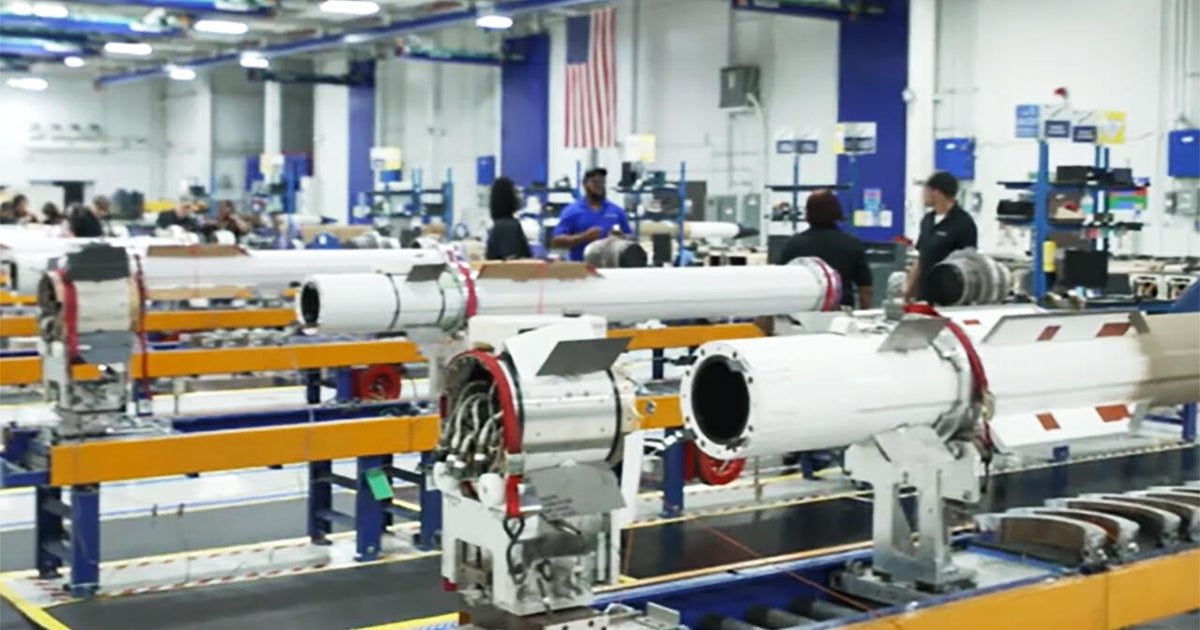
Replenishing the arsenal faces logistical challenges due to complex supply chains. A single Patriot missile requires 4,000 parts from approximately 500 to 1,000 suppliers, some of which are single-source providers. Additionally, specific components like rocket motors, manufactured by L3Harris, require a curing process that can take weeks. In response to the high cost of traditional missiles—approximately $4 million per Patriot—the Pentagon is also pursuing alternatives, such as a $200,000 cruise missile from startup CoAspire.

For the public, these developments influence defense contracts, such as Lockheed Martin's $59 billion agreement for Patriot systems. Workers at defense production facilities in Camden, Arkansas, are seeing changes including the addition of extra shifts and implementation of automated assembly lines. The Pentagon's plan to purchase 10,000 low-cost cruise missiles also marks a shift in procurement strategy involving smaller defense startups alongside traditional contractors.

The effects of these supply chain bottlenecks could influence military aid decisions. Because many high-tech missiles rely on single-source suppliers for parts like nozzles and cones, delays in production could impact the timing of military readiness milestones. L3Harris is currently 16 months away from completing a new automated plant. The timeline for achieving inventory levels deemed comfortable by war planners for other potential conflicts remains several years beyond the initial five-year replenishment phase.

Timeline of what happened

Key dates and decisions, in the order they occurred.

  1. February 24, 2022

    Russia invades Ukraine, prompting increased U.S. military aid

  2. February 1, 2026

    U.S. begins military strikes against Iran

  3. April 8, 2026

    Joint Force reports striking more than 13,000 targets

  4. May 7, 2026

    CBS News Radio airs flashback to 1962 Cuban Missile Crisis

Summaries are written by The Plain Record to state the facts of a story plainly and without political slant. Drafted with AI assistance and checked against the source record before publication. See how we report, or report a correction.

← Back to the front page

Questions readers ask

What happened: Pentagon Seeks to Replenish Missile Stockpiles Amid Supply Chain Bottlenecks?

The U.S. military is working to replenish its stockpile of high-tech munitions following the expenditure of an estimated $25 billion in weaponry against Iran. The conflict has depleted inventories of critical systems, including the Patriot air defense missile and the Tomahawk cruise missile.

Who is involved?

Defense Secretary Pete Hegseth, Lockheed Martin, L3Harris, CoAspire, and CSIS analyst Mark Cancian.

When did this happen?

April 2026

Where did this happen?

Camden, Arkansas; Manassas, Virginia; and the Pentagon.

Why does this matter?

Conflict against Iran has depleted high-tech munitions, leading to a replenishment effort that could take up to five years to return to pre-war levels.