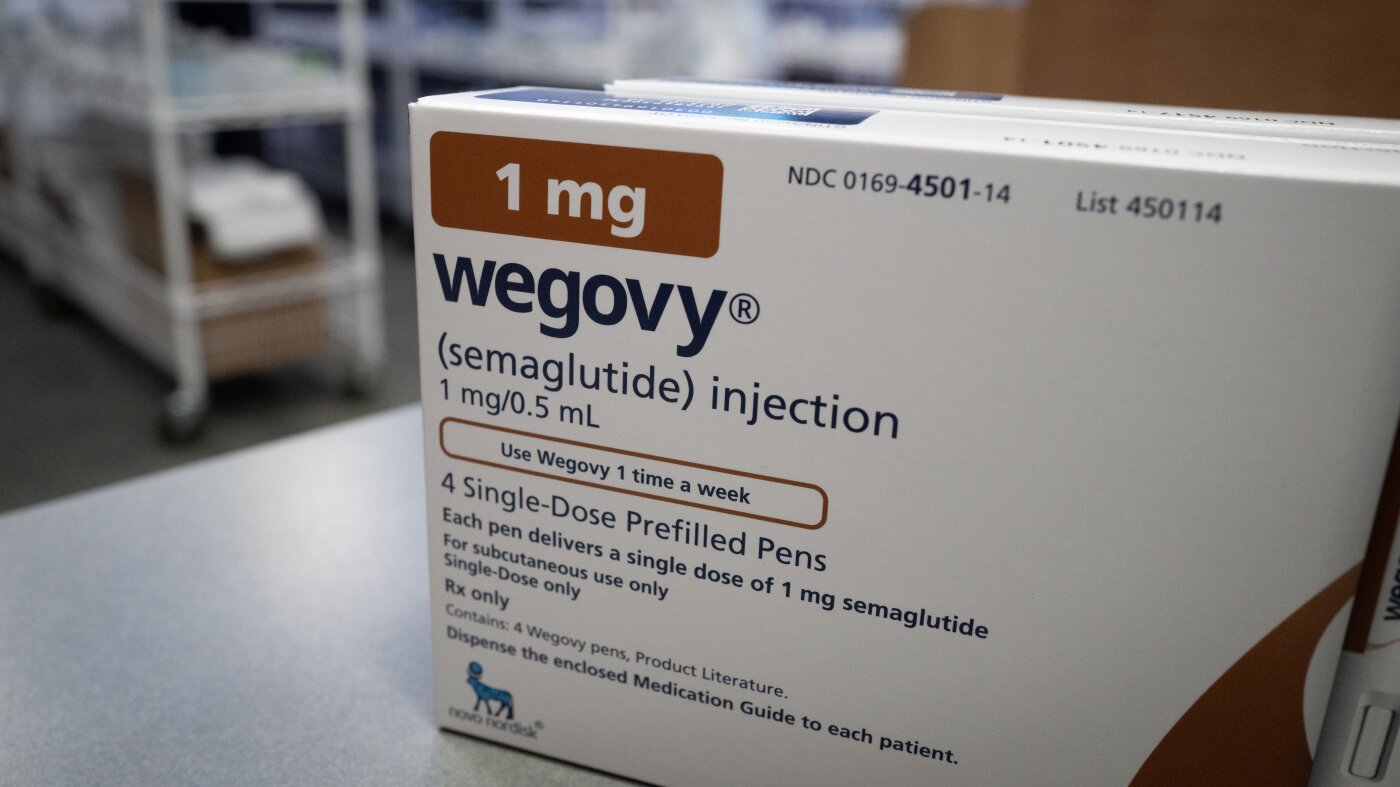
Major retail pharmacy chains report that a new federal pilot program offering obesity medications for a $50 monthly co-payment is seeing significant participation from Medicare beneficiaries. CVS and Walgreens each stated they have filled approximately 100,000 prescriptions since the initiative, known as the Bridge program, launched on July 1.
The Bridge program serves as an administrative workaround to a law that prohibits Medicare, the federal health insurance program for seniors and people with disabilities, from paying for weight-loss drugs. Under this pilot, Medicare covers GLP-1 medications—such as Wegovy, Zepbound, and Foundayo—for beneficiaries who have obesity in combination with hard-to-control high blood pressure. The program is scheduled to run through the end of 2027.
While participation is growing, the program excludes certain populations. Beneficiaries with sleep apnea or Type 2 diabetes are ineligible for Bridge because their medications are already covered under Medicare Part D, the program's prescription drug benefit. Walgreens reported that approximately half of the Bridge participants at its stores are new to GLP-1 therapy. Walmart, which operates 5,000 pharmacies, also reported week-over-week growth in these prescriptions but did not provide a total count.
The scale of the program’s financial impact is currently estimated by the nonpartisan health research group KFF to be between $1.3 billion and $10 billion over its 18-month duration. The final cost depends on how many of the 4 million eligible seniors enroll. For comparison, Medicare Part D is projected to spend $181 billion on all prescription drugs in 2025. According to Jeremy Shane, a scholar at the USC Leonard D. Schaeffer Institute, current pharmacy data suggests that between 5% and 10% of the eligible population has already accessed the program in its first two months.
The program could influence future federal policy regarding chronic disease management. Proponents, including Shane, argue that the long-term value of these drugs may include reduced spending on complications such as dialysis and hospitalizations. However, beneficiaries must still navigate a prior authorization process to qualify. The Centers for Medicare and Medicaid Services (CMS) reported that 250,000 people had signed up as of late July, though the number of successfully approved prescriptions remains unconfirmed by the agency. The pilot is currently authorized to continue until December 31, 2027.