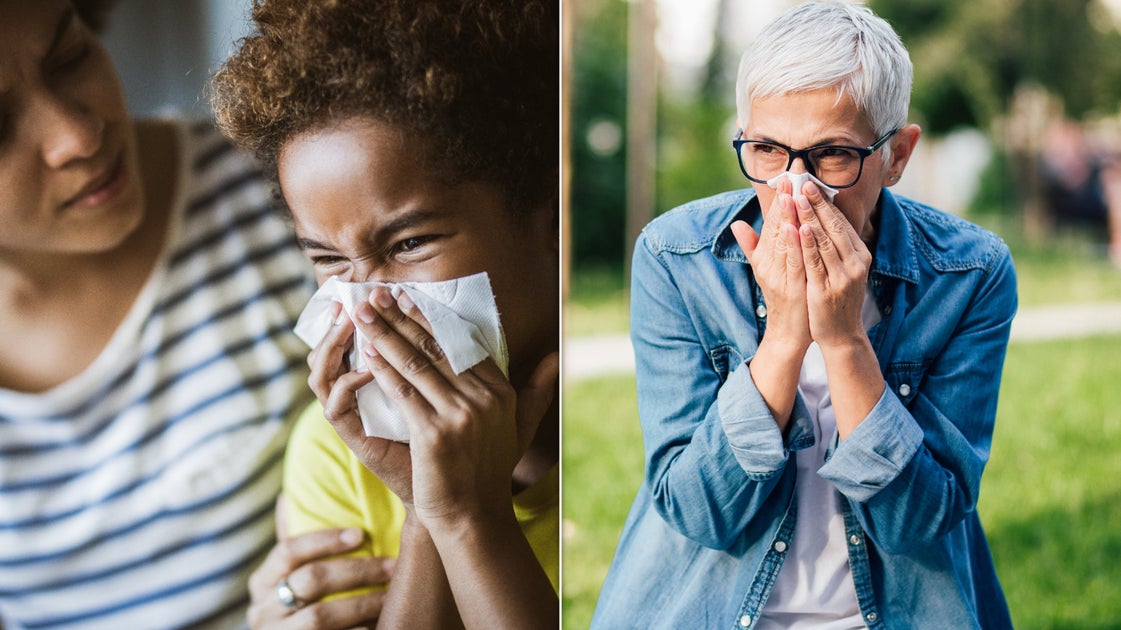
Physicians across the United States reported an increase in respiratory and viral infections as children returned to school for the fall season. According to Dr. Alexa Mieses Malchuk, a family physician in Pennsylvania, respiratory viruses are on the rise, with specific illnesses appearing more frequently. Doctors identified the common cold, COVID-19, hand, foot and mouth disease, influenza, and strep throat as five types of illnesses spreading during this period.
The increase in cases follows the resumption of classroom activities, which facilitates the spread of germs from students to family members and others. Dr. Richard Martinello, chief medical officer of Yale Medicine, noted that respiratory tract infections are typical when school sessions begin. These viruses can spread through respiratory droplets or by touching contaminated surfaces and then touching the face.
Medical professionals reported that COVID-19 cases and related emergency room visits have increased following a lower-disease summer. Dr. Alexandra Yonts, an infectious disease specialist at Children’s National in Washington, D.C., cited health department data showing this rise. Martinello noted significant activity in Southeastern states from Texas to Georgia. Additionally, while influenza is not yet widespread nationally, Yonts noted that pediatric centers on the West Coast reported a burst of influenza A cases over the past one to two weeks, which she described as abnormally early.
The rise in seasonal illnesses affects school-age children, their families, and others as germs transition from classrooms to households and offices. While the source does not provide a specific national case count, it notes significant activity in Southeastern states and an early spike in flu cases on the West Coast. For a household, this may result in medical expenses for office visits or testing, as well as the need to manage symptoms like fever, cough, and fatigue at home.
Parents and workers will notice these changes through school absences and the need to stay home from work to care for sick family members. Dr. Yonts advised that individuals with fever, cough, diarrhea, or vomiting should remain home to prevent further transmission. The spread of these illnesses also places seasonal pressure on healthcare facilities, as evidenced by the reported increase in emergency room visits.
To manage the impact, physicians recommend vaccination, frequent hand washing, and masking for those at higher risk. Updated COVID-19 and flu vaccines are available at pharmacies for those aged 6 months and older. Health officials emphasize that staying home until symptoms resolve is critical to preventing prolonged outbreaks. Medical evaluation is recommended if symptoms persist for more than 48 hours or if signs of dehydration and difficulty breathing appear.