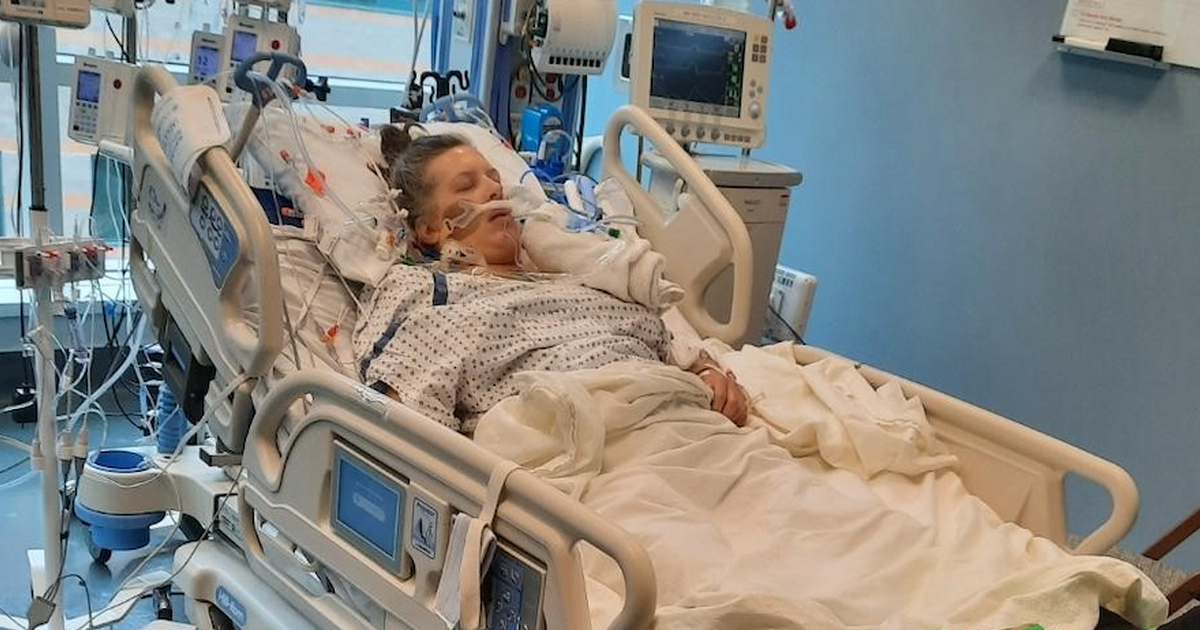
A New Jersey woman with a rare genetic disorder survived an emergency aortic dissection after physicians at Robert Wood Johnson University Hospital used a smartphone-based ultrasound to identify a tear in her heart's main artery. Sara Adair, who had a known family history of Loeys-Dietz syndrome, collapsed at her home on July 22, 2024, shortly after experiencing severe chest and neck pain.
Loeys-Dietz syndrome is a genetic condition that weakens the body's connective tissues, making patients susceptible to aortic aneurysms and dissections. According to Dr. Hiroo Takayama of NewYork-Presbyterian/Columbia University Irving Medical Center, nearly all patients with this condition eventually require surgery to repair the aorta. While Adair had undergone regular cardiology screenings, the defect remained undetectable until the artery began to tear.
Upon arriving at the hospital, initial diagnostic tests suggested Adair was experiencing a heart attack. However, Dr. Shawn Chawla used a point-of-care ultrasound probe connected to an iPhone to examine her heart. The portable scan revealed a large tear in the aorta, leading to an immediate CT scan and emergency open-heart surgery performed by Dr. Hirohisa Ikegami. Dr. Partho P. Sengupta, the hospital's chief of cardiology, noted that aortic dissections are frequently misdiagnosed due to symptoms that mimic heart attacks.
For the estimated population living with rare connective tissue disorders, the event highlights the limitations of preventative imaging, which Adair reported had not detected her specific risk prior to the emergency. The clinical outcome involved significant medical complications, including a stroke during surgery, temporary vision impairment, and fluid accumulation near the lungs. Adair continues to undergo cardiac rehabilitation to address these issues and resolve lingering blood clots, a process that typically spans several months following major thoracic surgery.
The next steps for the family involve genetic testing for Adair's children and nieces to determine if they inherited Loeys-Dietz syndrome. If the tests are positive, they will begin regular monitoring by cardiologists to manage the risk of future vascular events. While a specific date for these tests was not reported, the medical team at Robert Wood Johnson University Hospital continues to utilize point-of-care ultrasound as part of their diagnostic protocol for rapid cardiac assessment.