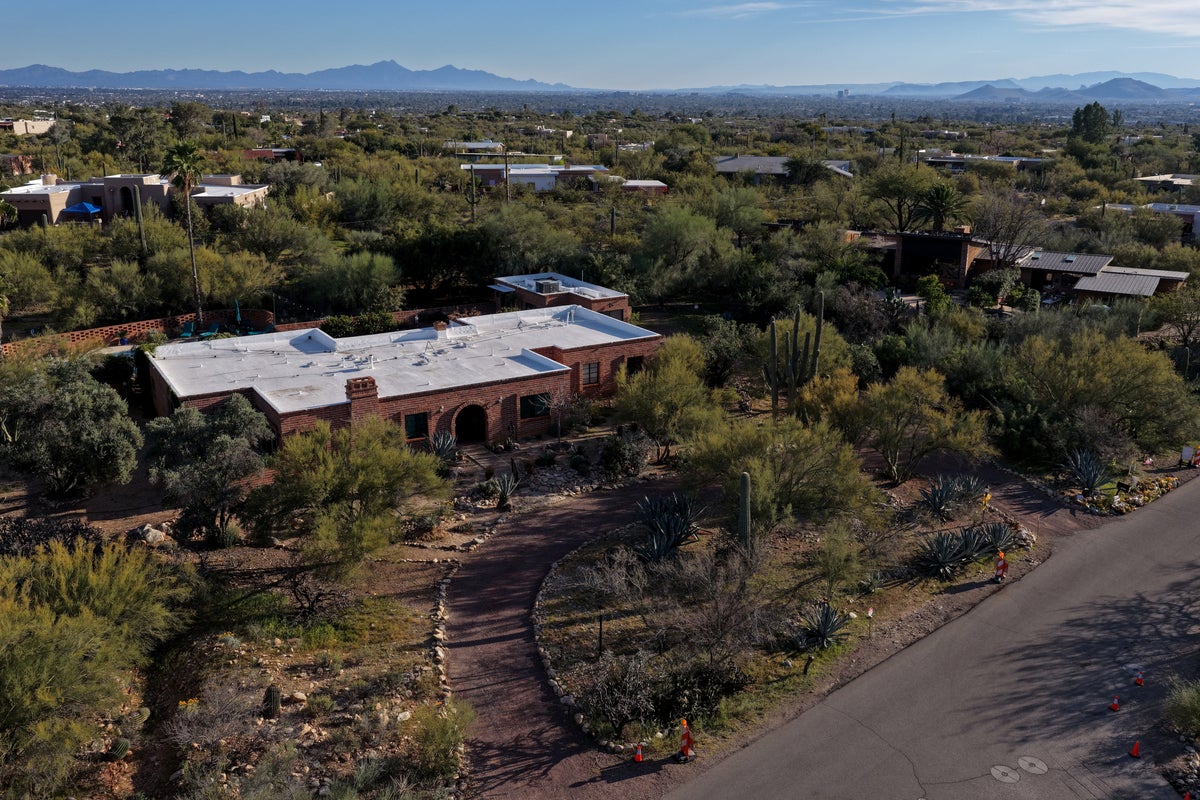
The Pima County Sheriff’s Department announced last week that human remains found in the Tucson desert show no current indication of a connection to the disappearance of 84-year-old Nancy Guthrie. Guthrie, the mother of NBC Today anchor Savannah Guthrie, was reported missing from her home in Catalina Foothills, Arizona, early this year. The remains were discovered approximately 15 miles from her last known residence.
Pima County Chief Medical Examiner Greg Hess reported that the discovery of human remains is common in the region due to its proximity to the southern border. Many remains are assumed to be those of migrants, with the office reporting that approximately 150 to 200 such cases are processed annually. Hess stated that high-profile cases like Guthrie's often lead to increased public speculation whenever new remains are located.
Investigators reported that the recently discovered remains appeared to have been in the desert for an "extended period of time." Local environmental factors including extreme heat, monsoon activity, and animal interference significantly accelerate decomposition in the Pima County area. These conditions often lead to remains becoming partially or fully skeletonized, which can complicate the identification process and the extraction of DNA.
Law enforcement officials and forensic experts noted the distinction between current investigative findings and a final scientific ruling. Chief Law Enforcement and Intelligence Analyst John Miller explained that stating there is "no indication" of a link is an investigative judgment, while a definitive ruling out would require confirmed scientific evidence. Pima County Sheriff Chris Nanos previously reported in late July that DNA testing on a hair sample found at the original crime scene had yielded no profile for comparison.
A person following this case would notice that while remains have been located, no immediate change has occurred in the status of Guthrie’s disappearance or the legal standing of any potential suspects. The lack of a DNA profile from the July crime scene testing means that even if a suspect is identified, investigators currently lack a genetic link to place them at the scene. This scientific hurdle delays the progression of the case from a search-and-recovery operation to a criminal prosecution, leaving the 84-year-old's disappearance classified as an active mystery seven months after she vanished.
The reliance on DNA and skeletal analysis in the Arizona desert sets a precedent for how environmental factors dictate the timeline of justice in border regions. The involvement of the FBI and local sheriff's departments in these searches is impacted by seasonal weather patterns, such as the monsoons that can both expose and displace remains. As of late August, the sheriff’s department has not provided a specific date for when forensic results for the newly discovered remains will be completed, nor have they publicly identified a suspect in the disappearance.