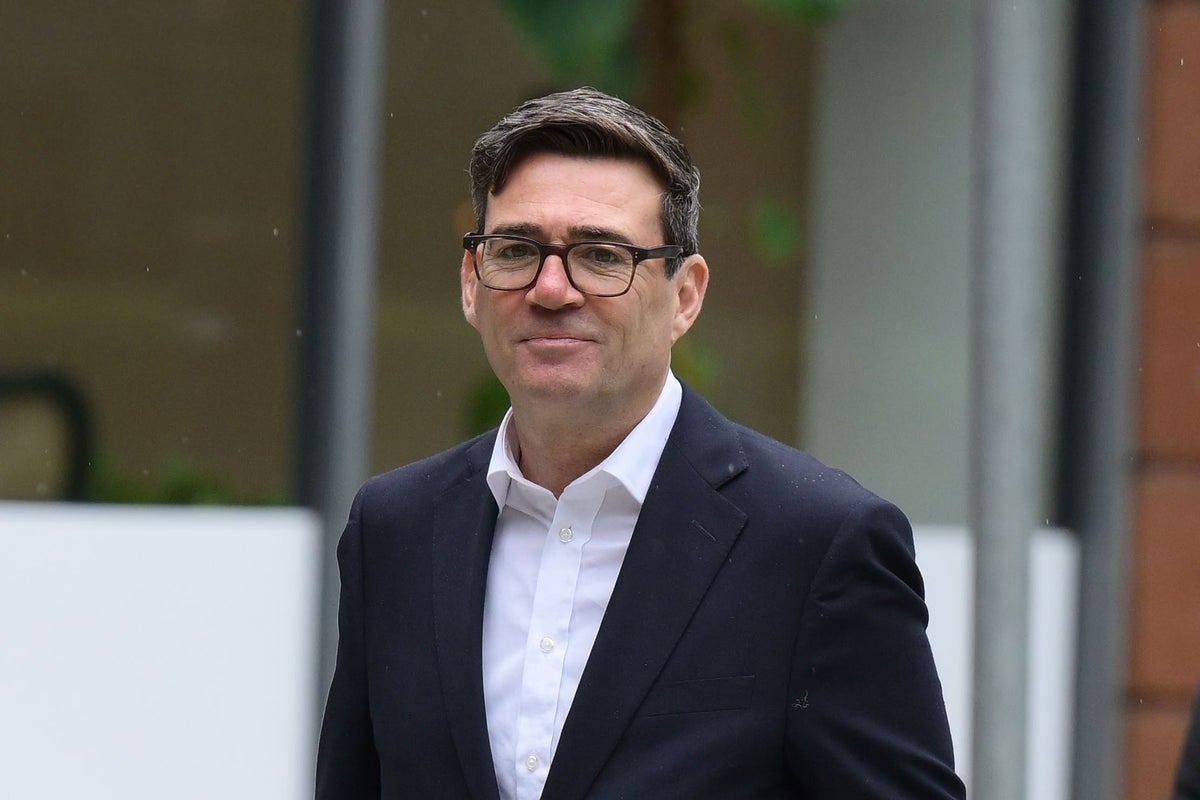
Prime Minister Andy Burnham announced on Thursday, Sept. 17, 2026, that his government remains committed to reaching net zero emissions by 2050. The announcement included the unveiling of nearly £30 million in funding for "People’s Power projects," which are community-led renewable energy schemes designed to allow local areas to generate and manage their own green energy supplies. Burnham stated that domestic renewable production is the only long-term method to reduce energy bills.
The commitment follows a recommendation from the cross-party Commons Energy Security and Net Zero Committee to retire the phrase "net zero." In a recent report, the committee stated the term has become a "lightning rod for opposition" and has lost its positive association due to misinformation. The panel suggested the Department for Energy Security and Net Zero remove the phrase from its name and communications to better facilitate the energy transition.
Political consensus on the 2050 target has shifted recently. Conservative leader Kemi Badenoch stated that her party no longer supports the 2050 deadline, while Reform UK has also criticized the target. Both parties have advocated for increased domestic fossil fuel extraction. Conversely, green entrepreneur Dale Vince supported dropping the phrase "net zero," arguing the term focuses on "giving stuff up" rather than the gains of a "green economy."
Burnham’s announcement comes after a summer that provisional Met Office data indicates was the UK’s warmest on record, characterized by droughts and wildfires. The Prime Minister is currently facing decisions on whether to approve the Jackdaw and Rosebank oil and gas fields in the North Sea. Fossil fuel representatives and opposition figures stated these projects would create thousands of jobs, while environmental groups such as Greenpeace UK have called for them to be blocked to maintain climate commitments.
The nearly £30 million in funding for community projects represents a shift toward localized energy management. For residents in these areas, the funding is intended to lower energy bills over time by reducing reliance on imported fuels.
The government’s decision on whether to approve the Jackdaw and Rosebank oil and gas fields will impact the employment market and the energy industry. Supporters of the North Sea projects state that thousands of jobs are at stake. Conversely, the transition toward the 2050 net zero target involves changes to how citizens travel, how homes are built, and how energy is produced. The Prime Minister described this transition as an opportunity to reindustrialize the country, which would shift the types of jobs available in the manufacturing and energy sectors.
The debate over the "net zero" terminology and the 2050 target sets a precedent for how climate policy is communicated and legislated in the UK. If the government eventually follows the parliamentary committee's advice to drop the phrase, it would mark a change in official communications and department branding. Awaiting a final decision are the Jackdaw and Rosebank projects; the Prime Minister did not provide a specific date for when a ruling on these North Sea developments would be issued.