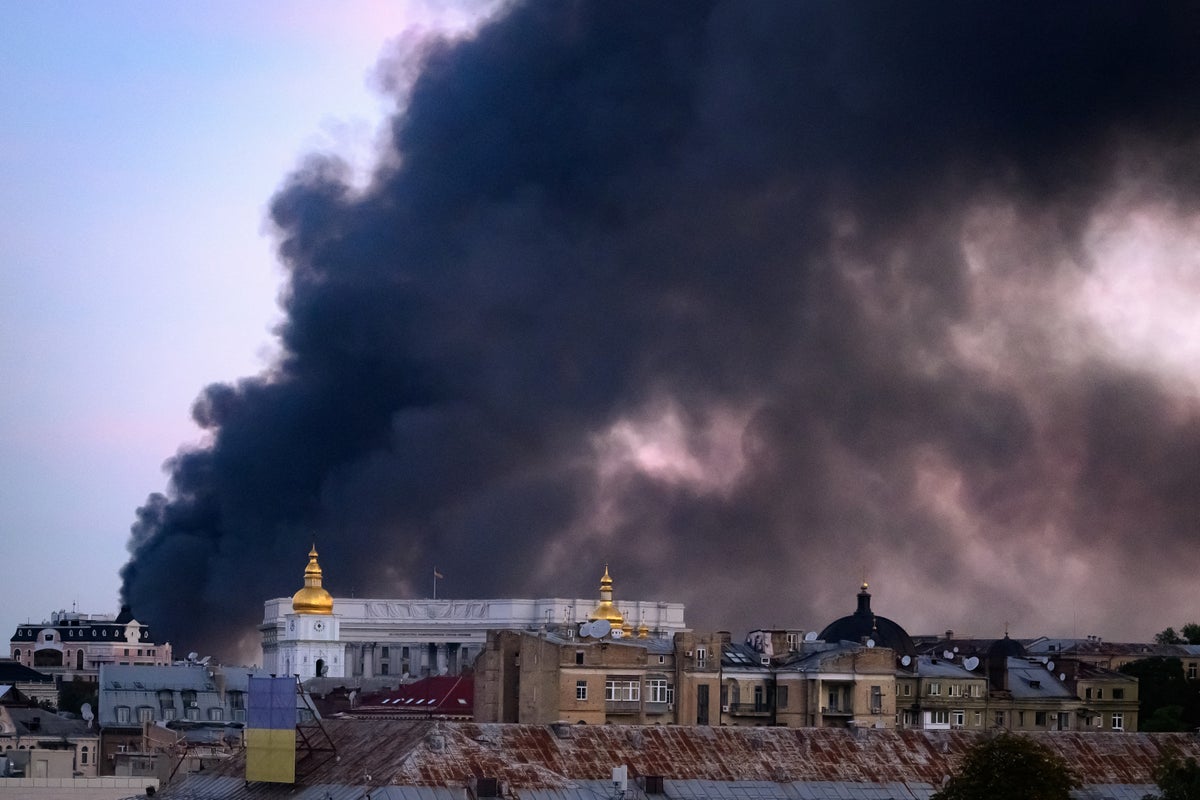
Poland activated its military aircraft in the early hours of Tuesday, September 15, as Russia launched an attack on Ukraine using jet-powered drones. The Polish Armed Forces described the operations as a preventive measure to secure its airspace. Simultaneously, a NATO fighter jet shot down a drone in Lithuania shortly after midnight. The Lithuanian national crisis management centre reported that the drone likely entered from Belarus and was intercepted near Pratkunai village in the southern part of the country.
The incidents occurred as Russian forces targeted several locations across Ukraine. In Kyiv, Mayor Vitali Klitschko reported that a drone struck a petrol station and warehouse facilities, while a Reuters witness reported hearing an explosion in the city. Russia has targeted approximately 300 petrol stations in recent months, primarily near frontline regions, but has recently expanded these strikes to the capital. In Russia, regional governors reported drone and missile damage to an industrial facility in the Samara region and a warehouse belonging to the e-commerce company Ozon in Taganrog.
The activity followed statements from U.S. President Donald Trump on Monday, September 14, stating that Ukraine and Russia had agreed to stop targeting each other's energy infrastructure. Ukrainian President Volodymyr Zelensky addressed the proposal in his nightly video, stating Kyiv is ready to support a U.S.-led energy ceasefire as a "first step" toward ending the war. However, Zelensky conditioned this support on the United States ensuring that Moscow is genuinely prepared to comply, noting that such willingness had not yet been observed.
For residents in Kyiv and surrounding regions, the expansion of targets to include petrol stations and warehouses impacts local supply chains and safety. The targeting of approximately 300 petrol stations over recent months affects fuel availability. Furthermore, the damage to an Ozon e-commerce warehouse and residential buildings in Taganrog, Russia, demonstrates how the conflict continues to impact commercial infrastructure and private property.
The outcome of the U.S.-led ceasefire proposal will determine whether these infrastructure attacks continue or subside. If the parties reach a formal agreement, it would establish a new precedent for protecting energy sites during the ongoing conflict. However, the immediate situation remains active as the Institute for the Study of War reports that Russian commanders are reportedly pressing for a massive mobilization to regain battlefield initiative. The next steps depend on whether American mediators can secure verifiable commitments from both Moscow and Kyiv to cease strikes on critical infrastructure.