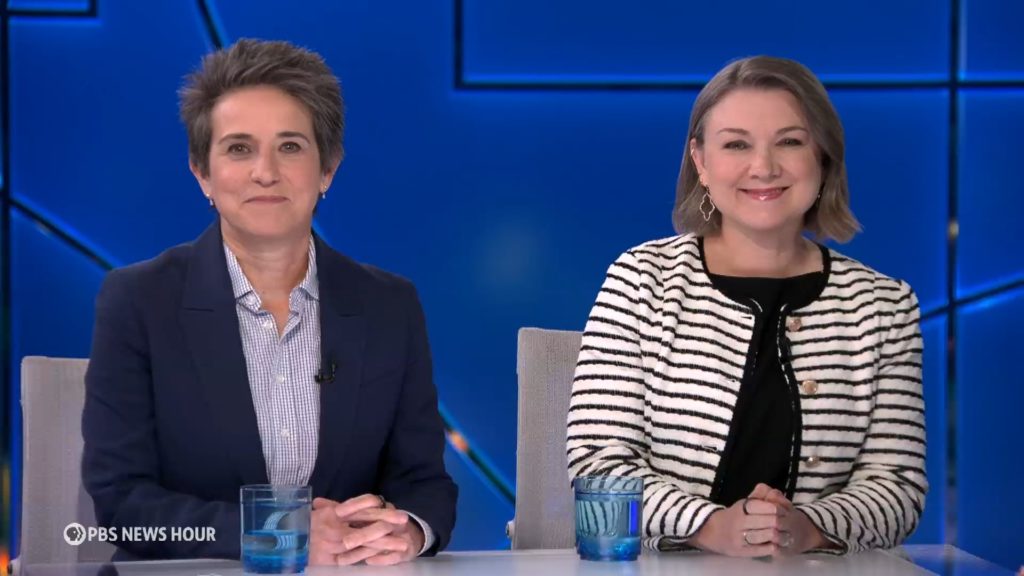
Political analysts Tamara Keith of NPR and Amy Walter of the Cook Political Report discussed current election trends and candidate status with PBS News anchor Geoff Bennett on Monday. The discussion focused on the current sentiments of Democratic primary voters and the prominence of non-traditional candidates in the 2026 election cycle.
The analysis comes as the 2026 primary season continues to shape the field for federal and state offices. The conversation provided context on internal party dynamics and the influence of endorsements in high-profile races.
Key topics included the impact of former President Donald Trump’s endorsements in South Carolina and the status of Rep. Max Miller (R-OH). Despite facing allegations of abuse, Miller has remained in his reelection race. The analysts also examined why "outsider" candidates are gaining traction among voters during this election year.
The scale of these political shifts affects the composition of the U.S. House of Representatives, where members like Rep. Max Miller hold office. For residents of Miller's district, his decision to stay in the race despite allegations means they will have the opportunity to vote on his fitness for office during the upcoming primary and general elections. Nationally, the "energy" behind outsider candidates suggests a shift in how millions of voters may choose to bypass established political figures, potentially leading to a change in legislative priorities and the passage of different types of laws starting in 2027.
The day-to-day impact for voters involves shifts in campaign messaging and the types of candidates appearing on their local ballots. In the long term, these primary results set the precedent for party leadership and the viability of candidates facing personal or legal controversies. Following this analysis, the next steps include the upcoming primary election dates in South Carolina and other states, though the specific dates for these contests were not reported in the source.