A CBS News/YouGov poll conducted in August 2026 found that while a majority of Americans favor a free-market system, views on the current U.S. economy are largely negative. The survey reported that most respondents consider the current economic system "unfair" regarding the opportunity to get ahead. These sentiments coincide with a general perception that achieving financial security, raising a family, and purchasing a home is more difficult for the current generation than for the previous one.
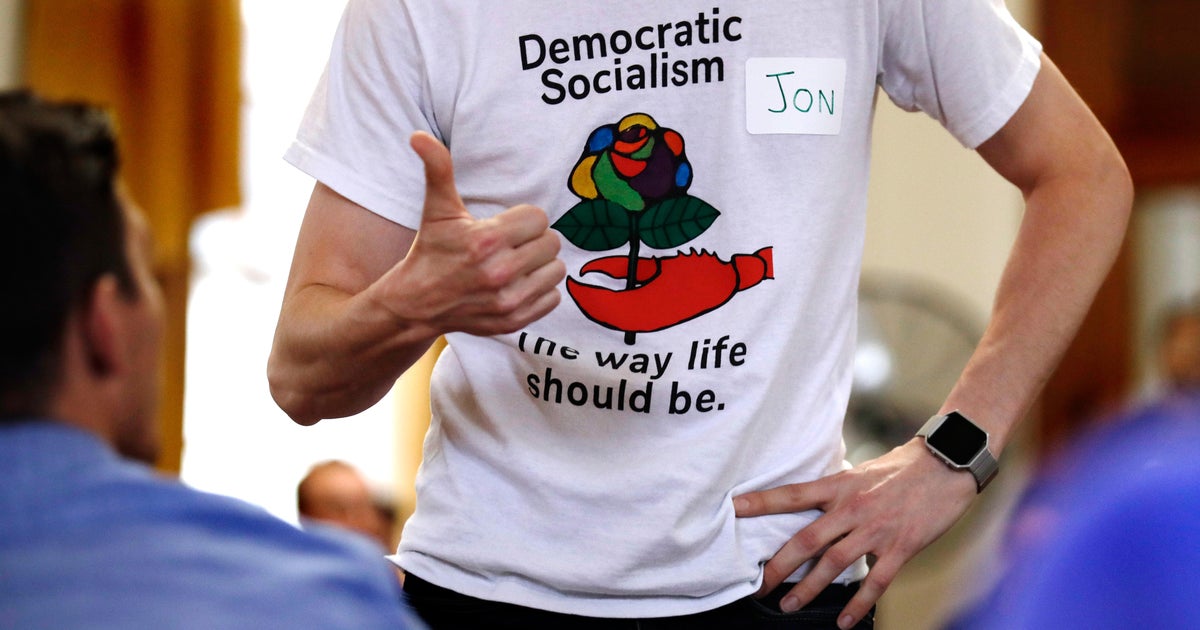
The poll results highlight a divergence between the general public and the Democratic rank-and-file regarding economic ideologies. While the overall U.S. population views capitalism more favorably than socialism, a majority of Democrats reported a more positive impression of socialism. Among Democrats, those with college degrees, younger individuals, and white respondents were more likely to hold favorable views of socialism. Conversely, Republicans maintained a strong preference for capitalism.
Public perception of the two major political parties also showed specific trends. Most voters described the Democratic Party as "weak" and "not effective," while the Republican Party was described by most as "extreme" and also "not effective." Despite these characterizations, the poll found bipartisan openness to specific government interventions; a slight majority of Republicans, along with most Democrats and independents, stated they would support government price controls.
The findings indicate that these economic frustrations are influencing internal party politics, particularly within the Democratic Party. The data shows that half of Democrats now view the label "democratic socialist" as positive, a shift that could affect future policy platforms and primary elections. If these views lead to legislative changes, citizens could see a transition from smaller, incremental policy adjustments to "big changes" in how the government manages public services, prices, or market competition. These changes would directly impact the bills paid by households and the level of government involvement in private industry.
Looking forward, the survey suggests a public desire for new leadership, with many Americans reporting that more young people and more moderates in office would improve the political environment. As the 2026 election cycle continues, the data suggests that candidates will be evaluated not just on their specific policy details, but on whether they are perceived as "fighting" for their constituents' economic interests. The next significant indicators will be the results of upcoming primary contests, where several incumbents have already faced challenges from younger candidates.