A CBS News Battleground Tracker poll indicates a shift in voter sentiment among Hispanic residents ahead of the upcoming midterm elections. While 46% of Hispanic voters supported Republicans in 2024, the poll found that 60% of Hispanic likely voters now favor congressional Democrats, compared to 39% for Republicans. The shift is notably observed in Miami-Dade County and Doral, a city with the largest Venezuelan population in the United States.
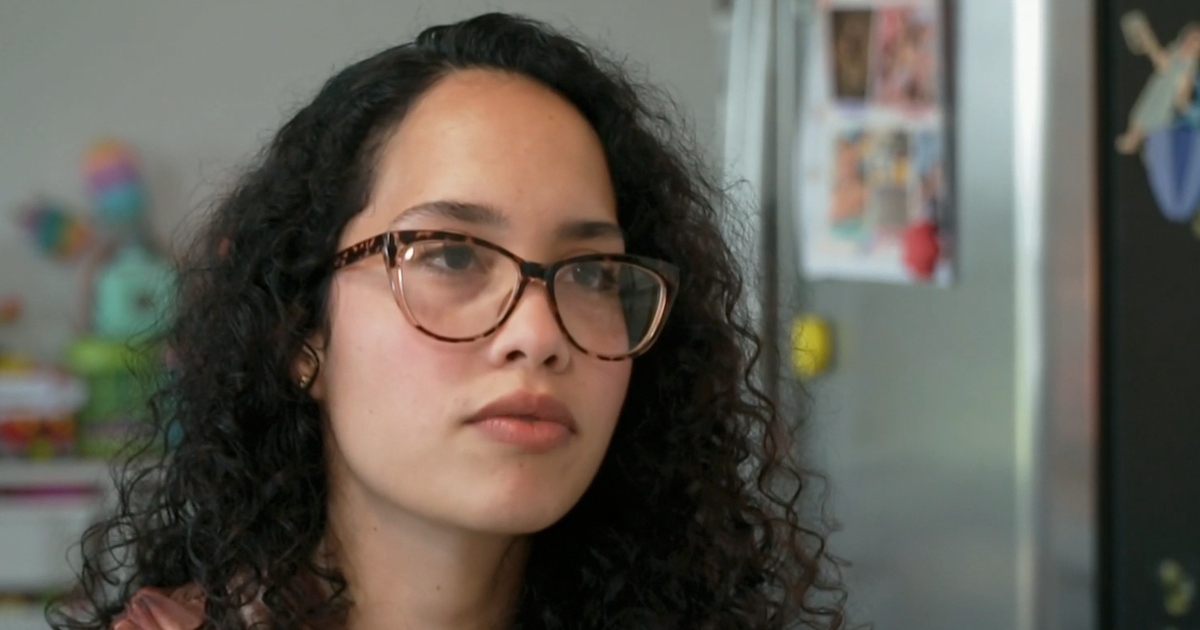
Voters and business owners in Doral cited concerns over the economy and the Trump administration's immigration enforcement actions. Andrea Ramos, a naturalized citizen who previously credited President Trump for the capture and extradition of former Venezuelan leader Nicolás Maduro in January, reported feeling disappointed and betrayed. She cited the administration's immigration policies and a perceived lack of respect for the law as primary factors for her change in sentiment.
Local business owners, including Stephanie Caro, reported that activity by U.S. Immigration and Customs Enforcement (ICE) has resulted in lower foot traffic and sales. Caro stated that residents are changing their routines due to fear, as masked ICE agents have been seen on city streets. The agency has reportedly targeted asylum seekers who possess active work permits and pending cases. Additionally, some voters expressed concern regarding the president's relationship with Venezuelan President Delcy Rodríguez.
Doral Mayor Christi Fraga, a Republican, declined to state three times whether she still supported Mr. Trump when interviewed by CBS News. Regarding the upcoming midterm elections, Fraga did not advise her constituents to vote for a specific party, stating instead that they should "vote your conscience." Ramos, who was previously a supporter of the president, stated she remains undecided about how she will vote in the midterms.
For residents in Doral, these policy changes have resulted in economic and social shifts. Small-business owners like Stephanie Caro reported a decline in customers as residents avoid leaving their homes due to the presence of masked federal agents. This change in daily routine impacts the revenue of local shops and the accessibility of services for a population that fled the socialist regime of Nicolás Maduro. The shift from a 51% Democratic and 46% Republican split in 2024 exit polls to a 21-point Democratic lead in current polling suggests that immigration and economic concerns are weighing on previous support for the administration’s foreign policy toward Venezuela.
The long-term impact involves the political alignment of naturalized Venezuelan-Americans, a group that previously moved toward the Republican Party. The current trend suggests that federal immigration enforcement and diplomatic relations with President Delcy Rodríguez are influencing whether these voters remain in the Republican coalition. What happens next depends on the midterm election results, which will determine the composition of Congress and the future direction of federal immigration and economic policy. Mayor Fraga’s neutral stance reflects the current uncertainty within the local Republican leadership as the election approaches.