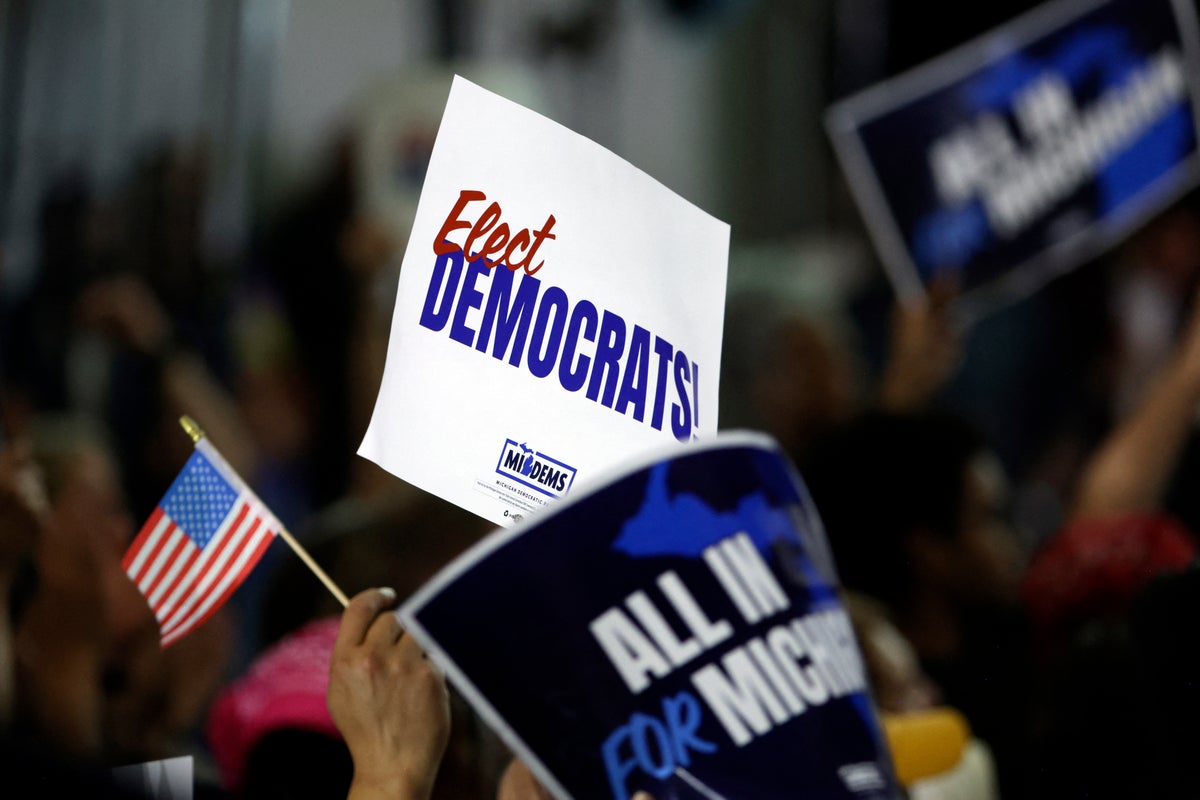
A new Gallup poll released in the third quarter of 2026 shows that 50 percent of Americans identify as Democrats or lean toward the Democratic Party, while 39 percent identify as or lean Republican. The 11-point margin represents the largest quarterly lead for Democrats in party identification since the first quarter of 2009. The shift comes as both parties prepare for midterm elections that will determine control of the U.S. House and Senate.
The current polling reflects a change in sentiment since the 2024 presidential election, when Republicans held a four-point lead in party identification during the fourth quarter of that year. Since then, President Donald Trump has faced low approval ratings, an ongoing war in Iran, and public scrutiny over federal deportation operations. Gallup senior editor Jeffrey Jones stated that party identification historically moves away from the party in charge when the public is dissatisfied with the state of the nation.
In addition to national identification trends, recent New York Times/Siena University polls show Democrats leading or tied in several states. In Texas, Democrat James Talarico leads Republican Ken Paxton 51 to 45 percent. In Alaska, Democrat Mary Peltola leads Republican Dan Sullivan 50 to 43 percent, while in Ohio, Democrat Sherrod Brown leads Republican Jon Husted 49 to 46 percent. Republican Ashley Hinson leads Josh Turek 48 to 47 percent in Iowa, and Democrat Adam Hamilton and Republican Roger Marshall are tied at 45 percent in Kansas.
The shift in party identification affects the political environment across several states, specifically in Alaska, Iowa, Kansas, Ohio, and Texas. With 50 percent of Americans now identifying as or leaning Democratic compared to 39 percent for Republicans, the 11-point gap suggests a change in the national political environment. The change in sentiment follows federal policies, including a war in Iran and federal deportation efforts.
Voters in these states may notice a change in political campaigning before the November midterms. In states like Texas and Alaska, Democratic challengers lead by as many as 7 percentage points. President Trump has proposed a $5,000 "Trump Dividend" for Americans if Republicans retain control of Congress, a proposal that critics have described as amounting to bribery.
The polling trends include a potential shift in campaign strategy. Some Republican lawmakers have requested that the president not campaign with them, signaling a split in strategy between the White House and some candidates. If these polling leads translate into election victories, it could lead to a change in congressional leadership, which would affect future policy on tariffs, immigration enforcement, and military involvement in Iran. Voters will cast their ballots in the midterm elections in November 2026.