Recent polling data and campaign reporting indicate that Democrats have improved their standing in the 2026 midterm election cycle. According to an analysis by Domenico Montanaro, the "compass needle has moved more in Democrats' direction." They are currently described as favorites to win the House of Representatives and are positioned within striking distance of the Senate, which had been considered a long shot at the start of the election cycle.
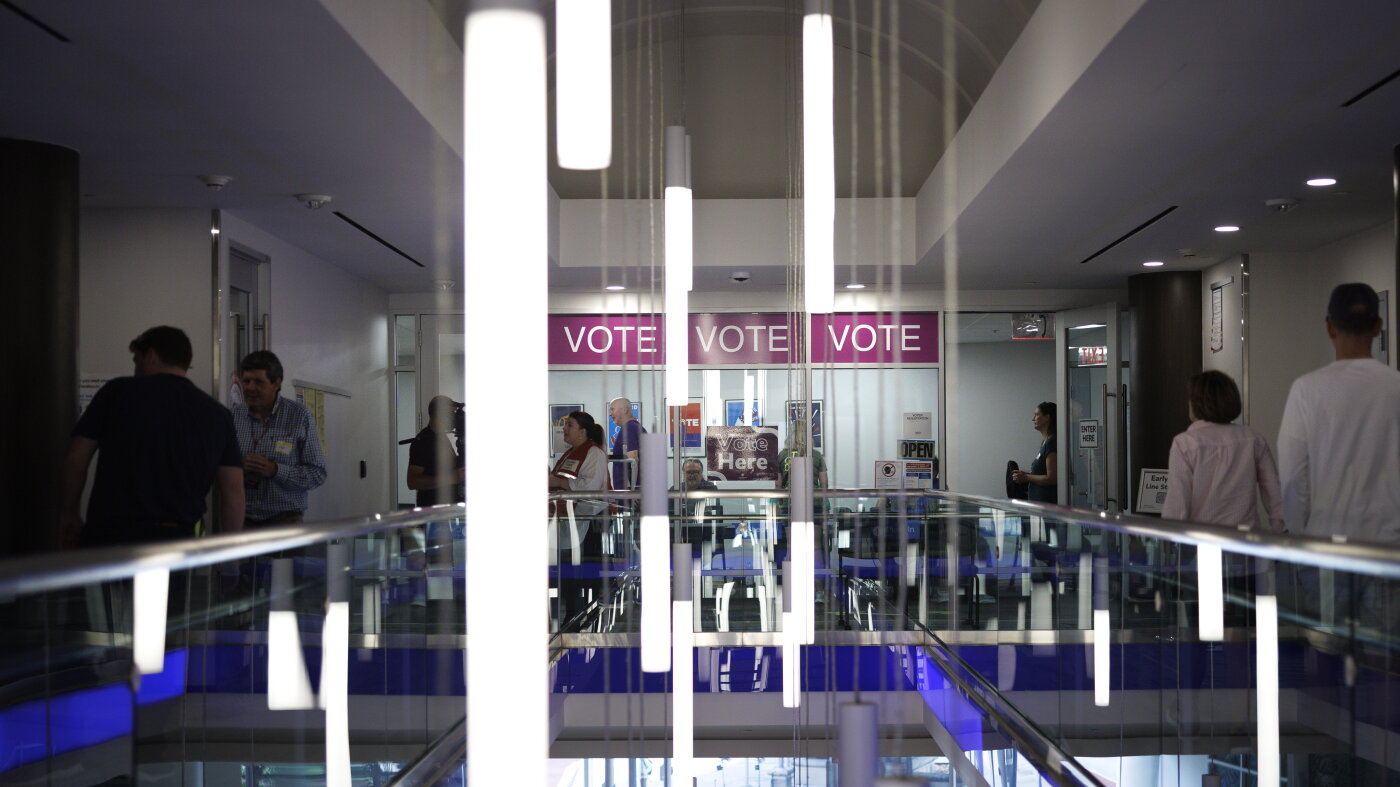
The shift comes as millions of Americans have already begun casting ballots in early voting, which started in states like Virginia on September 18, 2026. While polling activity has increased as Election Day approaches, researchers emphasize that these surveys are snapshots of voter sentiment at specific times rather than certain predictions of final outcomes.
The analysis highlights several factors for voters to consider when reviewing election data, including the margin of error in surveys. For example, a candidate with a two-point lead in a poll with a three-percentage-point margin of error could actually be trailing by one point. Additionally, the quality of state-level polling has been impacted by a decline in local journalism funding, leading to fewer rigorous surveys at the local level.
The impact involves millions of voters whose attitudes toward job approval and key issues are being measured to determine which party is more trusted to handle national concerns. While the specific number of voters or the exact dollar amounts spent on these campaigns were not reported, the outcome will dictate the federal government's priorities starting in early 2027. Voters will notice the effects in their day-to-day lives through the specific issues prioritized by whichever party secures the majority.
The accuracy of these snapshots is further complicated by the emergence of less reliable data sources, including polls driven by artificial intelligence and at least one instance of a fake pollster. These developments have led to calls for increased scrutiny of methodology pages and transparency in political research. What happens next is the conclusion of voting on Election Day in November 2026, followed by the certification of results that will determine which party holds the majority in the House and Senate for the upcoming term.